


Attention-Deficit/Hyperactivity Disorder (ADHD) affects an estimated 5% of adults and around 8–10% of children globally, though many remain undiagnosed for decades. For some, the first recognition comes not in a doctor’s office but in a late-night scroll through TikTok, where “relatable” ADHD clips echo their daily chaos. Yet what truly defines ADHD, and how can you know if screening makes sense for you?
An ADHD screening is the first step toward understanding how your mind manages focus, motivation, and regulation. It’s not a label, but an invitation to clarity. Below, we unpack what ADHD screening actually involves, what it can (and can’t) tell you, and how you can take a free, evidence-based test online privately, in minutes.
What Is ADHD
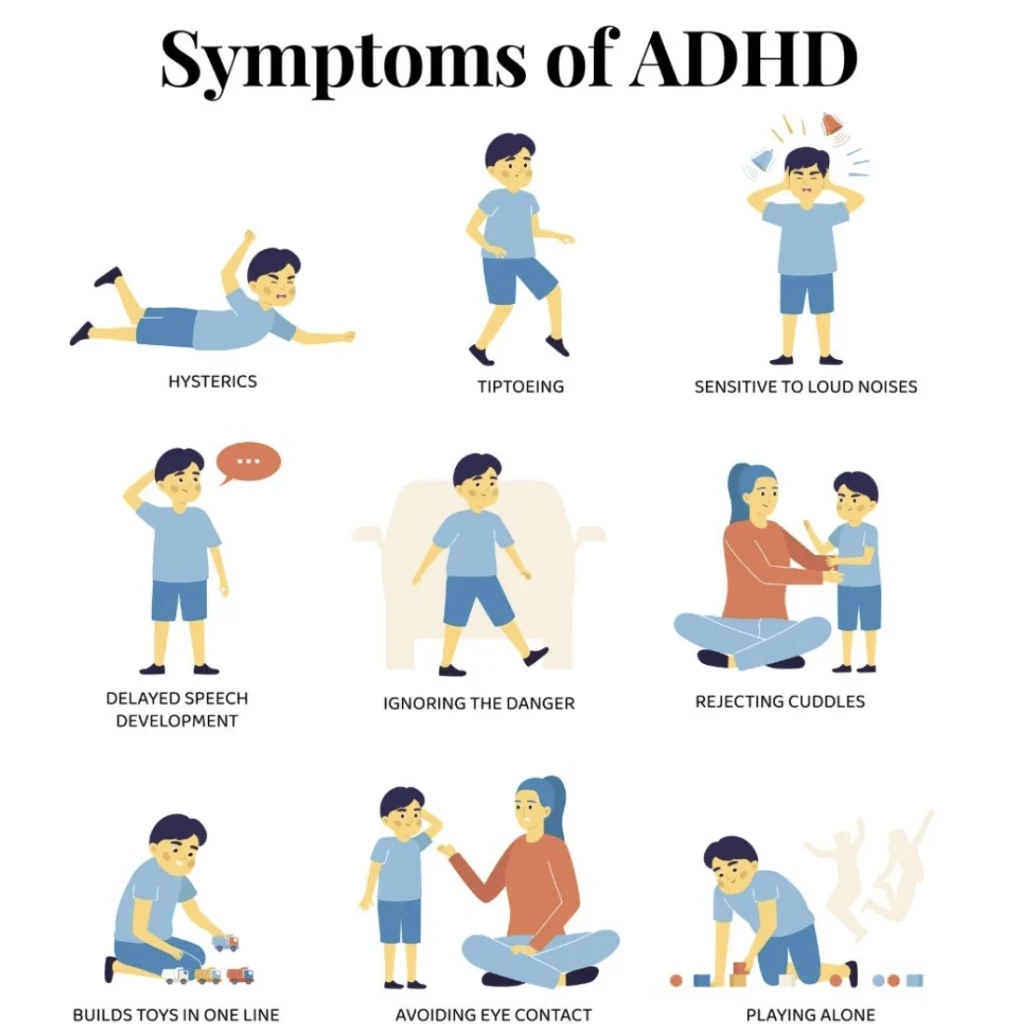
ADHD is a neurodevelopmental condition that affects how the brain regulates attention, impulses, and activity levels. While often linked with childhood, research now shows that up to 60% of children with ADHD continue to experience symptoms into adulthood.
The condition manifests in three presentations: inattentive, hyperactive-impulsive, and combined. In real life, this might manifest as missing deadlines despite good intentions, speaking too quickly in meetings, or requiring constant movement to stay alert. ADHD isn’t about willpower; it’s about differences in dopamine and norepinephrine signalling in brain regions responsible for executive function and self-control.
Understanding these neurological roots helps shift the narrative from “lazy” or “distracted” to neurodivergent, opening doors to self-compassion and effective treatment.
Importance of Screening, in particular, the importance of screening in adults.
For many adults, ADHD wasn’t part of the cultural vocabulary growing up. Especially for women and people with inattentive symptoms, the condition often hides behind anxiety, perfectionism, or chronic overwork.
Because the disorder was long associated with hyperactive boys, countless adults spent years trying to “fix” their focus or emotional regulation without understanding the root cause. People sought help for burnout, depression, or relationship issues, not realising these might be surface symptoms of undiagnosed ADHD.
Common reasons adults seek screening include:
- Chronic distraction or “brain fog.”
- Difficulty finishing tasks or managing time
- Emotional overwhelm and restlessness
- Forgetfulness or impulsive decision-making
- Frequent job changes or underperformance despite strong potential
As awareness has grown, diagnosis rates among adults have risen sharply, not because ADHD is new, but because more people are finally being recognised and understood.
Common Misconceptions About ADHD Screening

Unchecked ADHD can quietly erode self-esteem and relationships. A simple screening can mark a turning point. validating your experience and providing a framework for understanding what has been happening beneath the surface.
Still, many people hesitate to take that first step. Here are some common “blockers” that shouldn’t hold you back:
- “ADHD screening is just for kids.” No. Adult ADHD screening is one of the fastest-growing areas in mental health because so many people were overlooked earlier in life.
- “ADHD is a male problem.” In reality, girls and women are just as likely to have ADHD, but their symptoms often appear as more internal daydreaming, mental overload, and emotional sensitivity. and are therefore missed or misdiagnosed.
- “Everyone’s distracted these days.” True, but ADHD goes beyond normal distraction. It consistently disrupts daily life, focus, or follow-through.
- “I’m managing fine.” Many people do until chronic stress, parenting, or career demands stretch their coping strategies thin.
- “I don’t want a label.” Screening isn’t about labels; it’s about insight. Understanding your patterns gives you language and tools to work with your mind, not against it.
What ADHD Screening Actually Means

ADHD screening is a structured, science-based evaluation designed to identify whether your symptoms align with ADHD traits. It’s not a diagnosis but a gateway to insight, the first step in deciding whether to pursue a professional assessment.
Screenings typically use standardised questionnaires that measure inattention, hyperactivity, and impulsivity. They also consider context: are these patterns chronic, and do they interfere with daily life? Notably, the process distinguishes ADHD from other causes such as depression, anxiety, sleep problems, or chronic stress.
Clinicians interpret screening results as a compass, pointing toward the likelihood of ADHD and guiding whether a comprehensive diagnostic evaluation is warranted.
Who Should Consider Taking an ADHD Screening
ADHD can manifest in many subtle and unexpected ways, particularly in adults. You might recognise it in chronic distractibility, difficulty managing time, emotional volatility, or what psychologists call time blindness. the sense that minutes and hours slip unpredictably. Parents sometimes notice signs in their children, such as trouble following instructions, impulsive talk, or constant movement, prompting them to explore their own patterns as well.
How Professional ADHD Screening Works
ADHD screening is a working process, a conversation, as a result of which you and your clinician will understand how your brain functions. And the aim is not to pathologise but to trace patterns that may have been puzzling or frustrating over the years.
The majority of screenings comprise various important procedures:
Questionnaires and rating scales- such as Adult Attention Deficit Hyperactivity Disorder Self-Report Scale (ASRS v1.1), Conners Rating Scales, or Vanderbilt Scales (in children) give a more structured approach to the measurement of symptoms of inattention, impulsivity, and hyperactivity.
Interviews and background information – including your history of development, your experiences both in school and at work, and your family background will help us trace when and how the patterns started.
Other feedback, sometimes, teachers, partners, or parents are invited to provide feedback on what they have observed in their daily lives.
Evaluation of co-occurring conditions – such as anxiety, trauma, depression, or learning differences, etc. makes sure that the entire picture is considered, and not exclusive traits.
The entire diagnosis test may take several hours or a series of visits. This is why such an important initial step can be done by a mere screening: a reputable online tool can be as meaningful a first step as it gets. It provides you with words to describe your experience, and it provides you with a sense of direction for what you want to examine next.
Benefits of Online ADHD Screening
Online ADHD screening offers a fast, private, and low-barrier way to explore your attention patterns. When based on validated tools, it can serve as a mirror for self-awareness, encouraging reflection before you even enter a clinician’s office.
Benefits include:
- A confidential first look at your symptoms
- Greater readiness for a professional evaluation
- Ability to track your focus and emotional patterns over time
While some institutions caution against overreliance on online tests, when used responsibly, they can serve as a valuable bridge between uncertainty and action.
Limits of Screening (And Why That’s Okay)
Screeners do not represent the intricacy of your narrative – and that is why they are important. They arouse interest, not judgments. In clinical practices, screening of ADHD is always done in combination with interviews, developmental history, and professional judgment.
Restrictions to be considered:
- Screenings cannot be diagnostic enough; it is based on honesty and self-awareness.
- Most of the online quizzes are not validated, so select an evidence-based tool, like ASRS v1.1.
- Imagine screening as a map, not a destination.
- It helps you to orient yourself before deciding on what path to take next.
Interpreting Your Results: What They mean (and don’t)
The emotions aroused by getting your ADHD screening results can be mixed feelings of relief, curiosity, and even self-doubt. An exceptionally high score does not necessarily indicate that you have ADHD, but it does indicate that your focus and energy patterns are worth paying a little extra attention to. It is also worth understanding that several other factors may exacerbate the symptoms of ADHD, including:
- Fears or mood disorders.
- Stress burnout or chronic stress.
- Trauma-related responses
- Lack of sleep or changes in hormones.
These events may cause a lack of focus, loss of motivation, or an increase in restlessness in a manner that may appear similar to ADHD. Should such patterns continue to disrupt your life, the next step would be to consult with a qualified mental health professional. With each other, you can get to know what is actually going on beneath the surface and whether you are best described as having ADHD or otherwise.
What Happens After Screening
If your screening suggests that ADHD might be part of your story, the following steps are designed to help you understand. A professional evaluation helps turn patterns into insight and opens pathways toward care that actually fits how your mind works.
Depending on your results, next steps may include:
- A comprehensive evaluation with a psychiatrist, psychologist, or neurologist to confirm the diagnosis and rule out other causes.
- Cognitive or behavioural therapy focuses on attention, organisation, and emotional regulation skills that can significantly improve daily functioning.
- Lifestyle and environmental adjustments, such as establishing structured routines, taking mindful breaks, or practising grounding techniques, can help anchor focus.
- Medication, when appropriate, is used to balance neurotransmitters like dopamine and norepinephrine, improving attention and impulse control.
Many adults describe reaching this stage as a profound relief and a turning point. It reframes years of self-blame into understanding and provides a practical framework for living in better alignment with your brain.
Why Awareness Matters
Awareness is not only about diagnosis, but rather it is about the rewriting of the cultural narrative of neurodiversity. Individuals who have ADHD usually show remarkable creativity, flexibility, and intuition. When the condition is recognised, the strengths will thrive instead of remaining underground due to shame or misconceptions.
That’s why our ADHD Awareness initiative includes:
- Expert features and lived-experience stories
- Scientific insights into the neurobiology of attention
- Practical strategies for thriving with ADHD
- Free, accessible self-assessments to help you start your journey
Understanding your mind begins with curiosity. ADHD screening isn’t about labelling, it’s about agency, awareness, and the freedom that comes with clarity.
This article was prepared with the support of the Coming Bloom content team.
Conclusion
ADHD screening is not about placing yourself in a box; it’s about opening a door. For many, it marks the first moment of recognising that lifelong struggles with focus, time, or emotional regulation may have an underlying explanation rather than a personal failing. Whether your results suggest strong ADHD traits or raise new questions, the value lies in awareness.
Understanding how your mind works allows you to move from frustration to strategy, from self-doubt to informed choice. If screening resonates with your experience, consider it a starting point, one that can guide you toward professional support, practical tools, and a more compassionate relationship with yourself. Clarity, even in small steps, can be transformative.
Disclaimer
This content is intended for informational and educational purposes only and does not constitute medical advice, diagnosis, or treatment. ADHD screening tools, including online assessments, are not a substitute for a comprehensive evaluation conducted by a qualified healthcare professional.
If you are experiencing persistent difficulties with attention, behaviour, or emotional regulation, consider consulting a licensed psychologist, psychiatrist, or other qualified medical provider. Only a trained professional can provide an accurate diagnosis and recommend appropriate treatment options based on your individual circumstances.
If you are in immediate distress or require urgent support, please seek help from a local healthcare provider or emergency service in your area.