


People expect more from aesthetic clinics than cosmetic treatments alone. They want safe procedures, qualified professionals, and clear medical standards behind every service. As the med spa industry continues to grow, patients are paying closer attention to how clinics protect their health while delivering results.
Many med spas now offer treatments that involve prescription medications, injectables, laser devices, and other medical procedures. These services often require physician involvement under state laws. For that reason, working with a medical director for med spa operations is an important part of building a compliant and patient-focused practice.
Why Medical Oversight Is Part of Patient Safety
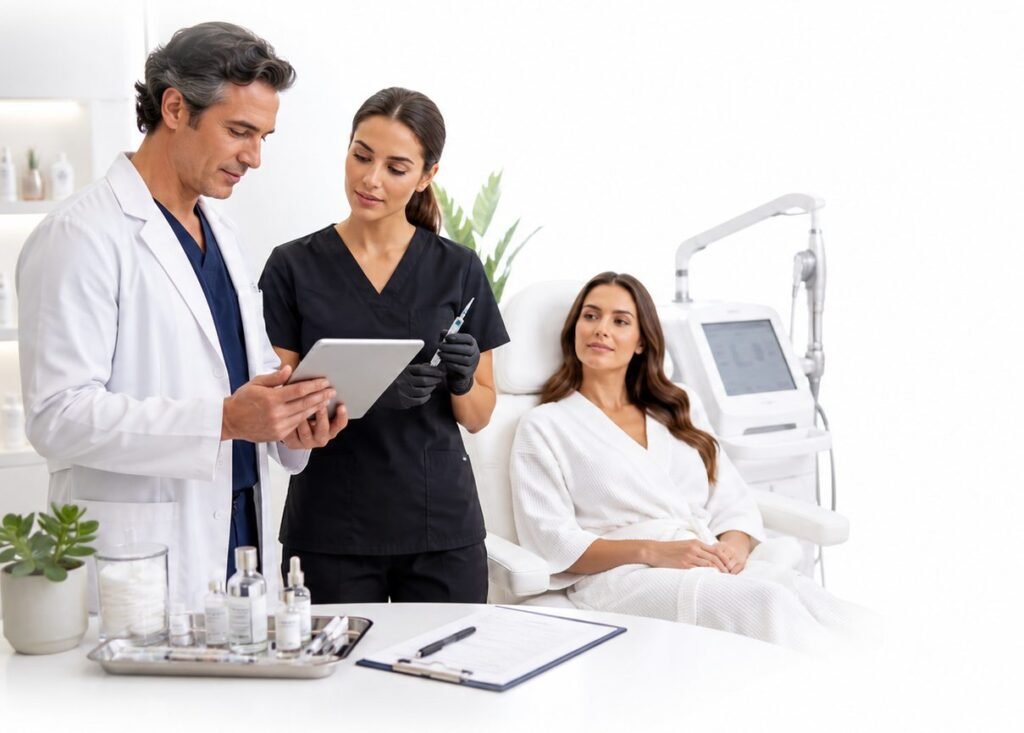
A med spa combines wellness and aesthetic care with medical services. While many procedures are minimally invasive, they still require clinical judgment before treatment begins. Proper patient screening helps identify medical conditions, allergies, or medications that may affect treatment outcomes.
Medical oversight creates a structured approach to patient care. Clinical protocols guide providers through consultations, treatment planning, informed consent, and follow-up care. When every team member follows the same standards, patients receive more consistent care.
A physician also helps establish policies for handling complications. Although serious events are uncommon, clinics should prepare for unexpected reactions. Written emergency procedures allow staff members to respond quickly and appropriately.
The U.S. Food and Drug Administration recommends that medical devices be used only according to approved instructions and by trained professionals. These recommendations support safe treatment across many aesthetic procedures.
State Regulations Differ Across the Country
One challenge for med spa owners is that healthcare regulations vary from one state to another. A treatment that is permitted under one state’s rules may require additional physician supervision elsewhere.
Medical boards determine how medical services may be delegated, who may perform procedures, and what level of physician involvement is required. Clinic owners should understand these requirements before expanding their services.
Areas that often require careful review include:
- Injectable cosmetic treatments
- Laser and light-based procedures
- Prescription weight management services
- Hormone therapy
- IV hydration treatments
Reviewing regulations before launching new services helps reduce compliance issues later. It also protects both patients and healthcare professionals.
Building Strong Clinical Policies
Successful clinics rely on clear systems instead of informal routines. Written policies help staff members perform treatments consistently while reducing unnecessary risks.
Several operational areas deserve regular attention:
- Patient eligibility guidelines.
- Treatment consent procedures.
- Documentation standards.
- Infection prevention practices.
- Equipment maintenance schedules.
- Emergency response protocols.
Documentation remains one of the most valuable parts of patient care. Complete records provide continuity between visits and help support clinical decisions. Good documentation also demonstrates that providers followed accepted standards throughout treatment.
Staff education should continue throughout the year. New products, updated recommendations, and changing regulations all require ongoing learning. Regular training helps maintain confidence across the entire clinical team.
Communication Creates Better Patient Experiences

Patients often judge healthcare quality by how well providers communicate. They appreciate honest discussions about expected results, recovery time, and possible side effects.
Clear communication starts during the consultation. Providers should explain each procedure using language patients understand. Questions should be encouraged before treatment begins.
Good communication continues after the appointment. Follow-up instructions should describe normal recovery, warning signs, and when patients should contact the clinic.
These conversations reduce uncertainty and encourage patients to participate in their own care.
Medical oversight supports these communication standards by promoting consistent education across the practice. Patients receive similar information regardless of which qualified provider performs the treatment.
Planning for Responsible Growth
Many med spas begin with a limited range of services before expanding into additional treatments. Growth requires careful planning because each new procedure may introduce new clinical responsibilities.
Clinic owners benefit from reviewing several questions before expanding:
- Do current policies support the new treatment?
- Have staff members received appropriate training?
- Are physician supervision requirements clearly defined?
- Does documentation reflect current regulations?
- Are emergency procedures updated?
Addressing these questions early helps practices maintain consistent standards while growing their services. The Centers for Disease Control and Prevention also encourages healthcare facilities to maintain strong infection prevention practices. These recommendations support patient safety in clinics that perform medical procedures.
Building Patient Confidence Through Clinical Standards
Patients want attractive results, but they also expect responsible medical care. Clinics that invest in clear clinical policies, physician oversight, and staff education demonstrate a commitment to patient safety beyond the treatment room.
As aesthetic medicine continues to evolve, medical oversight will remain an important part of responsible practice management. Clinics that prioritize compliance, communication, and consistent clinical standards create an environment where patients can feel informed, respected, and well cared for.
Final Thoughts
Safe med spa care depends on more than modern equipment or popular treatments. It requires qualified professionals, appropriate patient screening, informed consent, accurate documentation, infection prevention, and a clear plan for managing complications.
Clinical oversight helps connect these responsibilities. A medical director can support treatment protocols, staff training, regulatory compliance, emergency planning, and regular reviews of clinical performance. However, oversight should remain active and meaningful rather than existing only as an administrative arrangement.
Med spa owners should also remember that supervision and delegation requirements vary by state and may change as aesthetic medicine develops. Before introducing a new treatment, clinics should review applicable medical board rules, scope-of-practice requirements, product instructions, staff competency, and patient-safety procedures.
By treating aesthetic services as healthcare procedures rather than ordinary beauty treatments, med spas can support responsible growth while giving patients greater confidence in the care they receive.
Disclaimer
This article is provided for general informational and educational purposes only. It does not constitute medical, legal, regulatory, or business advice. It should not be used as a substitute for guidance from a licensed physician, healthcare attorney, state medical board, or other qualified professional.
References
- Ramirez, S., & Elkattawy, O. (2024). The primacy of ethics in aesthetic medicine: A review. Plastic and Reconstructive Surgery Global Open. DOI: 10.1097/GOX.0000000000005891.
- Steinkuller, F., Harris, K., Vigil, K. J., & Ostrosky-Zeichner, L. (2018). Outpatient infection prevention: A practical primer. Open Forum Infectious Diseases, 5(5), ofy053. DOI: 10.1093/ofid/ofy053.
- Wamsley, C. E., Hoopman, J., Kenkel, J. M., & others. (2021). Safety guidelines concerning the use of protective eyewear and gauze during laser procedures. Aesthetic Surgery Journal, 41(10), 1179–1185. DOI: 10.1093/asj/sjaa233.
- Kalashnikova, N. G., Linline, K. A., Tchaykovskaya, O. A., & others. (2021). Management and prevention of laser complications in aesthetic medicine: An analysis of the etiological factors. Dermatologic Therapy, 34(1), e14373. DOI: 10.1111/dth.14373.
- Hagopian, C. O., Saltzman, B. M., & others. (2020). Attitudes, beliefs, and practices of aesthetic plastic surgeons regarding informed consent. Aesthetic Surgery Journal, 40(7), 780–789. DOI: 10.1093/asj/sjz206.
- Wamsley, C. E., Hoopman, J., Kenkel, J. M., & others. (2021). The effects of aesthetic lasers on three study materials used as protective eyewear. Aesthetic Surgery Journal, 41(8), NP1046–NP1053. DOI: 10.1093/asj/sjaa319.
- Bessesen, M. T., Adams, J. C., Radonovich, L., & Anderson, J. (2021). Outpatient healthcare personnel knowledge and attitudes toward infection-prevention measures for protection from respiratory infections. American Journal of Infection Control, 49(11), 1369–1375. DOI: 10.1016/j.ajic.2021.06.011.
- Park, B. Y., Kwon, J. W., Kang, S. R., & Hong, S. E. (2016). Informed consent as a litigation strategy in the field of aesthetic surgery. Archives of Plastic Surgery, 43(5), 402–410. DOI: 10.5999/aps.2016.43.5.402.