


Disclaimer: Retatrutide is an investigational compound. It is not an approved medicine in the UK, the US or the EU, and it is sold for research use only. This article is general information, not medical advice. Speak to a qualified doctor before considering it.
Interest in retatrutide has grown among people looking into options that may support metabolic balance and changes in body composition. While much of the early attention came from research settings focused on how the body handles energy and fat storage, everyday discussions now center on practical outcomes like appetite changes and gradual shifts in weight. It is often described as a peptide that touches several related areas at once, which is why some refer to it as multifaceted. Understanding the basics in straightforward terms can help anyone deciding whether it aligns with their goals.
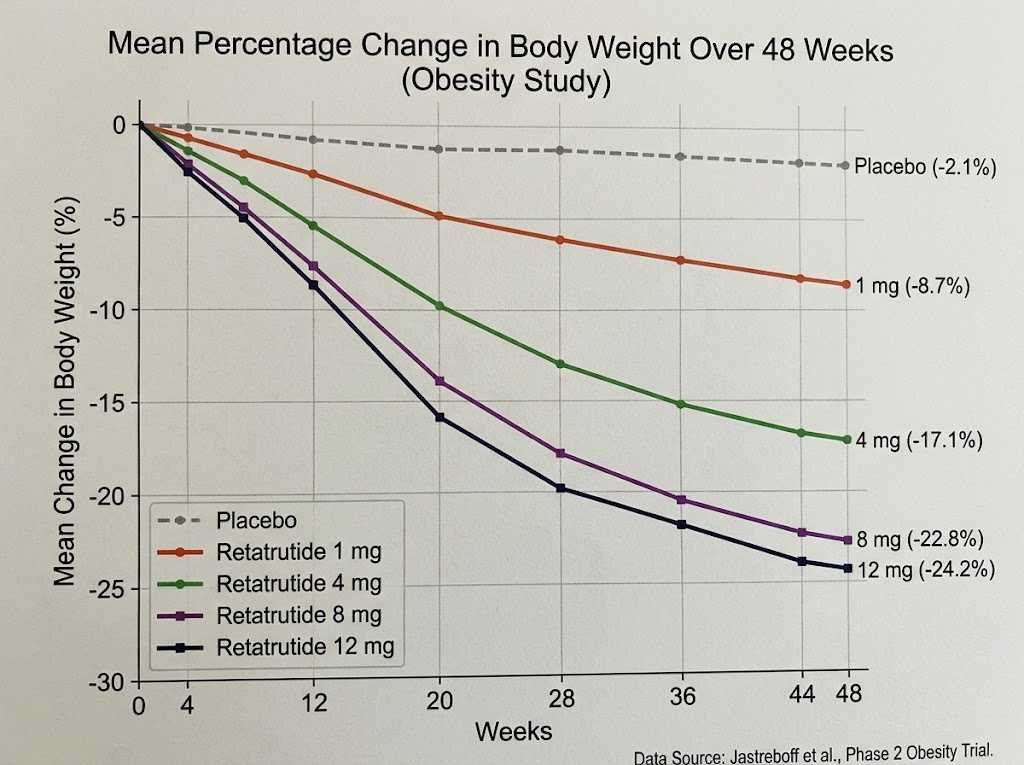
Most conversations start with the idea that retatrutide may influence how the body manages hunger and energy use. The clearest published human evidence comes from a phase 2 obesity trial reported in the New England Journal of Medicine, which remains the reference point for most claims made about it. People who have explored similar options frequently mention noticing reduced interest in frequent snacking or larger meals. These effects are not guaranteed and can differ widely, but they form the core of why many continue researching it. Pairing any such support with consistent daily habits remains a common recommendation across user reports.
How Retatrutide Fits Into Metabolic Discussions

In research contexts, retatrutide has been examined for its potential role in metabolic processes, particularly those linked to energy balance and fat tissue. Anyone wanting to see what has actually been tested can review the public trial registry record rather than relying on forum summaries. Rather than focusing on complex pathways, many practical summaries highlight possible effects on appetite signals and how the body stores or uses energy over time. Some individuals report feeling more in control of their eating patterns after the initial adjustment period. Others note steadier energy levels during the day, though these observations vary.
When people dig deeper into available options, they often look for clear product details without excessive technical language. Checking information on buy retatrutide peptide is a step many take to review basic specifications and sourcing before moving further. This helps set realistic expectations around format, typical use patterns described by others, and what questions to ask next.
Adipose tissue research has also drawn attention to how certain peptides might interact with fat cells. Users sometimes describe gradual changes in how clothes fit or overall body composition rather than sudden scale drops. These shifts usually appear over weeks or months rather than days, and they tend to be more noticeable when combined with protein-focused meals and regular movement. Progress is rarely perfectly even, so tracking non-scale factors like energy or measurements can provide a clearer picture.
Common Experiences Shared By Users
Early stages often involve learning how the body responds. Temporary reductions in appetite are frequently mentioned, along with occasional mild digestive changes that tend to settle. It is worth knowing that the FDA has stated retatrutide is an unapproved drug that cannot be used in compounding, and it has issued warning letters to companies marketing it to consumers. Most people who share positive updates emphasize starting conservatively and paying attention to personal tolerance. Those with pre-existing conditions or who use other medications are generally advised to consult a qualified professional first, since individual health factors can influence suitability.
Consistency appears repeatedly in longer-term accounts. Individuals who maintain simple routines, such as adequate hydration, balanced meals, and some form of daily activity, often report more stable results than those who rely on the peptide alone. It is commonly viewed as supportive rather than a complete replacement for lifestyle basics. Social situations or travel can feel different at first for some, mainly because large meals become less appealing, but many adapt within a few weeks.
Cost, quality, and access remain practical concerns. Because interest has increased, people compare suppliers based on clarity of information and reliability. The MHRA guidance on buying medicines safely online is a sensible starting point here, since unregulated sellers offer no guarantee of contents or purity. Taking time to review details carefully reduces the chance of mismatched expectations later. Thinking ahead about duration of use and how it fits a personal budget also helps with planning.
Practical Considerations For Everyday Use
Lifestyle integration is another frequent topic. Some find the appetite changes helpful during busy periods when meal planning is harder. Others prefer to keep flexible options available for higher-hunger days. There is no universal schedule; experiences suggest that patience during the first month allows better assessment of individual response. Sudden or extreme changes are less commonly reported than steady, moderate shifts over time.
Reading a mix of accounts, rather than only the most dramatic ones, provides better context. European regulators have warned about a sharp rise in illegal products sold online as GLP-1 agonists, which is a reminder that marketing claims and verified evidence are not the same thing. Goals differ, since some focus mainly on appetite control while others track body composition more closely. Clarifying personal priorities early makes it easier to judge whether reported experiences match what someone is seeking. Simple tracking methods, such as noting energy levels or clothing fit, often prove more useful than daily scale checks alone.
Many who decide to proceed value straightforward access to product information and ordering details. A number of people based in the UK check pure peptides when they want a clear overview of available options and what to expect with delivery. Reviewing a dedicated source like this can answer remaining practical questions about formats and timelines before finalizing any decision.
Retatrutide continues to appear in both research discussions around metabolic function and adipose tissue and in more everyday conversations about weight-related goals. Results are individual, and most longer-term accounts stress combining it with basic healthy habits rather than expecting isolated effects. Staying realistic about timelines, with appetite changes sometimes appearing sooner than composition shifts, helps maintain consistency. For anyone still evaluating it, gathering balanced information and matching it to personal circumstances remains the most useful next step.