


Working from home has changed daily routines for millions of people. Commutes are gone, flexible schedules are common, and home offices now double as creative studios and meeting rooms. Along with these shifts, people are paying closer attention to wellness. Long hours at a desk, screen fatigue, and blurred boundaries between work and personal life can affect focus and mood. For some adults, medical cannabis has become part of a broader plan to manage stress, discomfort, or health conditions while maintaining productivity.
Medical cannabis is not a shortcut for success or a cure-all. It is a treatment option that may support certain conditions when used responsibly and legally. In a work-from-home setting, its role often connects to balance, structure, and mindful use. Here is how it can fit into a modern remote lifestyle.
Remote Work Changes Daily Wellness Habits
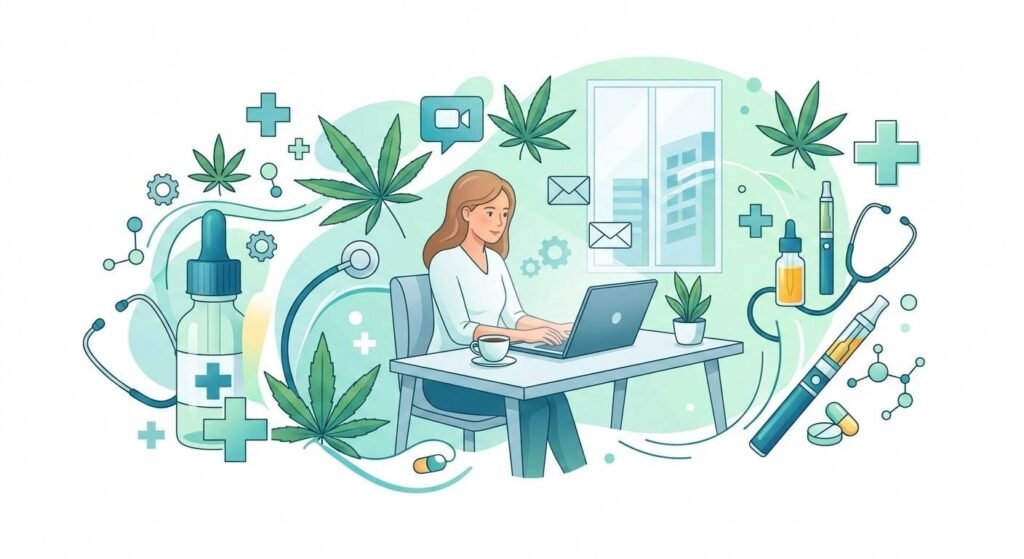
Working from home sounds relaxed, though it can bring its own challenges. Many people sit longer than they did in an office. Breaks become shorter. Meetings are packed into back-to-back video calls. Without a clear start and end to the day, stress may linger into the evening.
Some remote workers report tension headaches, back pain, anxiety, or trouble sleeping. These concerns can affect performance over time. Licensed healthcare providers sometimes recommend medical cannabis to address conditions such as chronic pain, insomnia, or anxiety disorders. When part of a structured treatment plan, it may support overall wellness.
Companies like Elevate Holistics help patients connect with licensed doctors who evaluate eligibility for medical cannabis in states where it is legal. This process ensures that use is guided by medical advice rather than guesswork. For remote professionals who value flexibility, telehealth consultations can align well with their work-from-home routines.
Finding Focus Without Losing Clarity
One common question is whether medical cannabis helps or harms productivity. The answer depends on the individual, dosage, strain, and timing. Some patients report that specific formulations help reduce anxiety or physical discomfort, allowing them to concentrate more effectively on tasks.
Low-dose options may support calmness without strong psychoactive effects. For example, products with balanced levels of THC and CBD are sometimes chosen by patients who want symptom relief while staying mentally clear. For those who prefer traditional inhalation methods, using high-quality bongs with proper filtration can offer a controlled experience that fits into a wellness routine. Careful dosing is key. Starting low and adjusting gradually under medical guidance can reduce the risk of unwanted side effects.
Remote workers often have more control over their schedule. This flexibility allows them to plan treatment around work demands. For instance, someone managing chronic pain may use prescribed cannabis after completing focused tasks or during a longer break. Clear boundaries between work time and personal care help maintain professional standards.
Managing Stress in a Home Office Setting
Stress is not limited to traditional offices. Working from home can create isolation, constant digital communication, and pressure always to be available. Over time, this can affect mental health. Medical cannabis may be part of a broader stress management plan for certain individuals. It is often combined with other practices such as:
- Regular movement and stretching
- Short screen breaks during the day
- Mindful breathing exercises
- Consistent sleep routines
- Open communication with employers about workload
Cannabis alone is not a replacement for healthy habits. It can, however, be one tool among many when used responsibly and legally. For remote workers dealing with anxiety disorders or stress-related conditions, having medical oversight provides structure and accountability.
Supporting Physical Comfort During Long Work Hours
Sitting for extended periods can lead to back pain, neck strain, and joint stiffness. A home office setup may not always match ergonomic standards found in corporate spaces. Over time, physical discomfort can reduce productivity and motivation. Medical cannabis is sometimes prescribed to manage chronic pain or inflammation.
Patients who experience relief may find it easier to stay engaged with their work. In a remote setting, this can translate into fewer distractions from discomfort. Improving physical comfort should also include practical steps such as adjusting chair height, using supportive cushions, and taking walking breaks. Combining ergonomic improvements with medical guidance creates a more balanced approach to wellness.
Timing Matters More Than Ever
Working from home blurs the lines between professional and personal time. For medical cannabis users, timing is important. Using it during active work hours may not be appropriate for everyone, depending on job responsibilities and local laws. Many professionals choose to use medical cannabis outside core working hours. Evening use for sleep support is common among patients with insomnia. Better sleep can lead to improved concentration and mood the next day.
Some individuals with flexible roles may strategically schedule tasks. High-focus work can be completed during peak alertness, while administrative tasks are put off until later. Clear self-awareness and planning are critical to maintaining quality performance. Employers may have policies regarding cannabis use, even in states where it is legal. Remote workers should review company guidelines and understand their rights and responsibilities. Transparency, when appropriate, helps avoid misunderstandings.
Legal and Workplace Considerations
Medical cannabis laws vary by state and country. Working from home does not remove legal obligations. Patients must ensure they are registered in accordance with local regulations and use products from licensed sources.
Workplace policies may still restrict impairment during work hours. Even if someone is at home, they are performing job duties. Responsible use means prioritizing safety and professionalism. Roles that involve operating machinery, driving, or making critical decisions require careful consideration.
Documentation from a healthcare provider can offer clarity in some situations. Still, each employer has its own standards. Staying informed protects both the employee and the organization.
Building a Healthy Remote Routine
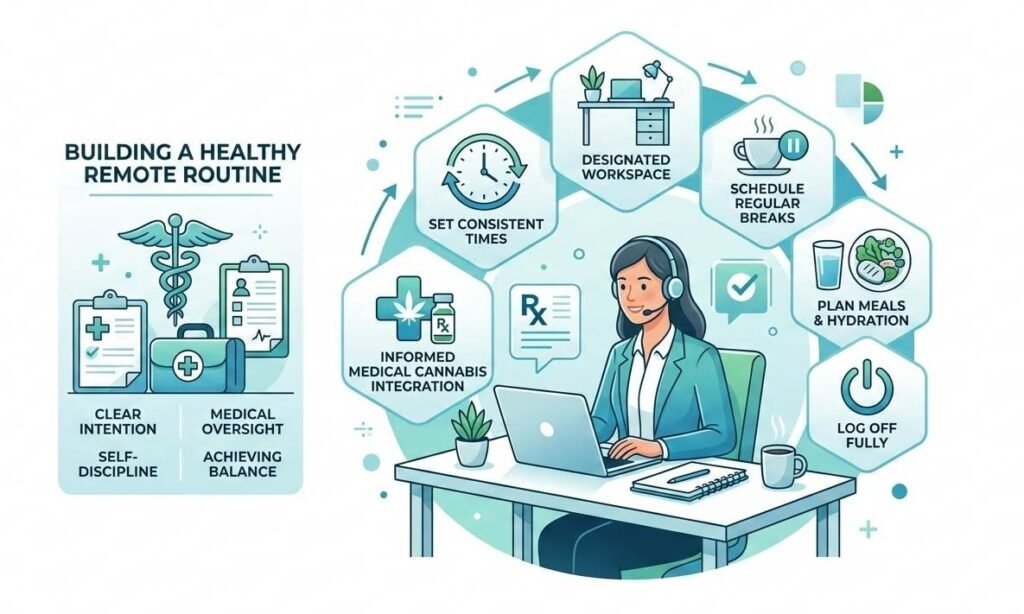
Medical cannabis fits best into a lifestyle that values balance. Remote workers often thrive when they create daily structure. A simple routine may include:
- Setting a consistent start and end time
- Creating a designated workspace
- Scheduling regular breaks
- Planning meals and hydration
- Logging off fully at the end of the day
When medical cannabis is part of a treatment plan, integrating it into this structure reduces the risk of misuse. Clear intention, medical oversight, and self-discipline are essential. Working from home offers flexibility that previous generations did not experience. With that flexibility comes responsibility. Medical cannabis can support certain health conditions, though it should be approached thoughtfully. In a modern work-from-home lifestyle, success comes from balance, awareness, and informed choices.
Disclaimer
This article is for informational purposes only and should not be considered medical or legal advice. Medical cannabis may not be suitable for everyone, and its effects can vary from person to person. Always consult a qualified healthcare professional before starting or changing any treatment. Make sure to follow the laws and workplace policies that apply in your area. Responsible and legal use is essential, especially when balancing health needs with professional responsibilities.