

Modern life keeps you switched on. Notifications never stop, work follows you home, and burnout culture rewards constant output. Over time, this pressure pushes your body into survival mode. You may notice poor sleep, irritability, brain fog, or tension that never fully releases. That is not just stress. It is a nervous system that has forgotten how to power down.
Your autonomic nervous system runs the show behind the scenes. The sympathetic nervous system drives the fight-or-flight response, while the parasympathetic nervous system guides you into a rest-and-digest state. When balance breaks, true nervous system regulation becomes difficult.
A real nervous system reset is not a trend. It means creating conditions in which your body feels safe enough to shift back into a regulated state of the nervous system.
A structured wellness retreat can offer that space. And when done intentionally, it can help you reset and recharge in ways that daily life simply cannot.
What Does It Mean to Reset Your Nervous System?

When stress becomes constant, your body keeps producing cortisol and other stress hormones as if danger is always present. Over time, this disrupts hormonal balance, increases inflammation and stress, and strains the gut-brain connection. You might lie awake at night, exhausted but wired, snap at minor inconveniences, or push through high-functioning anxiety while feeling emotionally drained.
Polyvagal theory helps explain this. In simple terms, your body regulates best when it feels safe. A sense of safety allows the autonomic nervous system to shift from the sympathetic to the parasympathetic nervous system, creating a regulated state. Without that internal safety, emotional reactivity and burnout become common.
A retreat for nervous system recovery focuses on activating the relaxation response and increasing heart rate variability. HRV improvement practices signal resilience, helping you regulate stress response patterns rather than reacting to every demand.
How a Wellness Retreat Supports Nervous System Recovery: 6 Key Benefits
1. It Removes You From Chronic Stress Triggers
A wellness retreat immediately reduces the noise that keeps your sympathetic nervous system on high alert. Constant alerts, emails, and news cycles prevent true recovery. A digital detox retreat interrupts that loop, allowing your body to step out of survival mode.
At the same time, nature-based healing and a guided forest bathing experience support immune function and lower stress hormones. This kind of stress reduction retreat offers a holistic stress reset that supports burnout recovery rather than a short-lived sense of relief.
2. It Activates the Parasympathetic Rest and Digest State
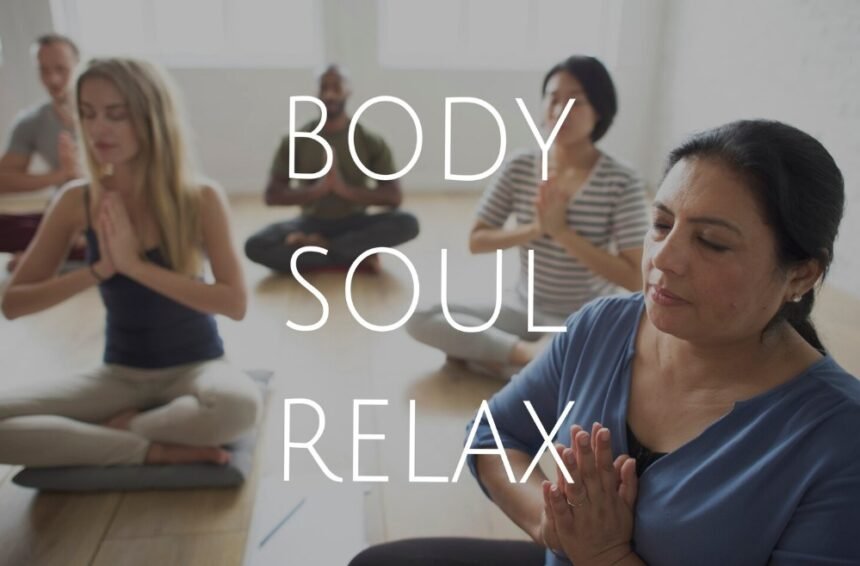
Once external pressure fades, your body can access the parasympathetic nervous system. A meditation or yoga retreat uses guided meditation, mindfulness-based stress reduction, restorative yoga, and yin yoga to activate the relaxation response.
As your breathing slows and muscle tension releases, you calm the nervous system at a physiological level. In more immersive programs, such as a psychedelic retreat for healing, structured trauma-informed care may deepen nervous system regulation in a carefully supported setting.
3. It Uses Body-Based Healing Practices
Talk alone cannot regulate a dysregulated stress response. Body-based healing approaches such as somatic healing practices and somatic experiencing help you notice and release stored tension. Trauma release practices unfold within a safe, supportive environment guided by trained facilitators.
Breathwork sessions and guided breathwork practice encourage vagus nerve stimulation, while cold plunge therapy and sauna therapy benefits build resilience through contrast therapy. Breathwork sessions and guided breathwork practice encourage vagus nerve stimulation, and searching for breathwork classes near me can offer an opportunity to learn guided breathing techniques that promote relaxation and emotional balance. Meanwhile, cold plunge therapy and sauna therapy benefits help build resilience through contrast therapy. These nervous system-healing modalities strengthen your capacity to regulate your stress response in daily life.
4. It Supports Sleep and Hormone Balance
Chronic stress recovery depends on sleep and nervous system health. A sleep restoration retreat prioritises structured daily schedules that realign circadian rhythms and improve sleep quality.
When you sleep deeply, cortisol stabilises, inflammation decreases, and the gut-brain connection improves. Hormone balance support naturally follows. This deep rest experience enhances emotional regulation tools and creates space for a true mental health reset within a holistic wellness retreat.
5. It Creates an Intentional Healing Container
A retreat centre experience provides more than beautiful surroundings. It offers an intentional healing container built around integrative wellness programs. Licensed facilitators guide you through self-reflection, journaling for stress relief, and embodied healing practices that strengthen the mind-body connection.
In a community-healing environment, you feel supported rather than isolated. That sense of safety transforms the experience into a transformational retreat experience rooted in mind-body healing rather than surface-level relaxation.
6. It Teaches Long-Term Nervous System Regulation Skills
Lasting change comes from skills you carry home. Emotional regulation tools, vagus nerve exercises, grounding practices such as earthing therapy, and HRV improvement practices become part of your routine.
With retreat integration practices and post-retreat integration support, you build sustainable stress relief. Executives, caregivers, and high achievers gain burnout-prevention strategies that support long-term nervous system health, turning a personal growth retreat into ongoing resilience rather than a temporary escape.
What to Look for in a Wellness Retreat for Nervous System Recovery
Not every wellness retreat is designed for true nervous system recovery. Look for a trauma-informed retreat framework that prioritises emotional safety and gradual pacing. A program should clearly explain how it supports nervous system regulation, especially for guests managing anxiety, burnout, or past trauma. Safety must feel built into the structure, not added as an afterthought.
A structured daily schedule also matters. Consistent meal times, guided practices, rest periods, and intentional sessions help stabilise your internal rhythms. Licensed facilitators or experienced guides should lead somatic work, meditation, or any intensive healing modality with professionalism and care.
Finally, ask about integration. A clear plan for post-retreat integration support ensures you leave with the tools and accountability you need. Without that bridge back to daily life, even a powerful experience can lose momentum.
Disclaimer
The information in this article is provided for educational and informational purposes only. It is not intended as medical advice, diagnosis, or treatment. Wellness retreats and the practices mentioned, such as meditation, breathwork, or somatic therapies, may support relaxation and overall wellbeing but should not replace professional medical or mental health care. If you are experiencing chronic stress, anxiety, trauma, or other health concerns, consult a qualified healthcare professional before participating in any wellness or therapeutic program.
Conclusion
You cannot outperform your nervous system. When stress becomes constant, regulation matters more than pushing harder. A holistic wellness retreat offers more than relaxation. It creates a structured recovery for your autonomic nervous system.
In the right setting, a restorative retreat experience can spark lasting transformation and steady resilience.