

Looking after your eyesight is an essential part of maintaining overall health and wellbeing. Regular eye examinations can help detect vision problems early, identify signs of underlying health conditions, and ensure that any changes in eyesight are addressed promptly.
However, attending an optician’s appointment is not always straightforward for everyone. Older adults, people with mobility challenges, and those living with long-term health conditions may find travelling difficult. This is where home eye care services are making a significant difference for residents across Oldham.
Why Routine Eye Tests Are Important
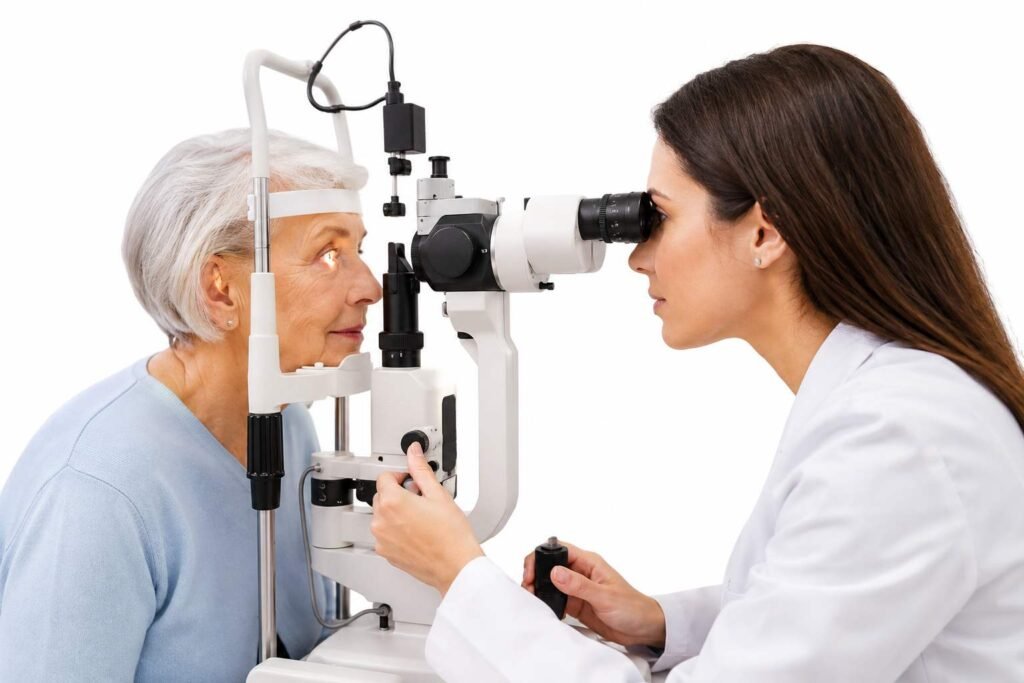
Many common eye conditions develop gradually and may not cause noticeable symptoms in their early stages. Without regular examinations, issues can go undetected until vision has already been affected.
Eye tests can help identify conditions such as:
- Cataracts
- Glaucoma
- Age-related macular degeneration
- Diabetic retinopathy
- Dry eye syndrome
In addition to checking vision, eye examinations can sometimes reveal early signs of wider health concerns, including diabetes and high blood pressure.
Regular testing helps ensure that any changes are identified early, allowing for timely treatment and better long-term outcomes.
Challenges of Accessing Traditional Eye Care
For many people, visiting an optician requires arranging transport, coordinating with family members or carers, and managing physical or medical limitations.
These challenges can lead to postponed appointments and missed opportunities to identify vision problems early. This is particularly common among elderly individuals who spend most of their time at home.
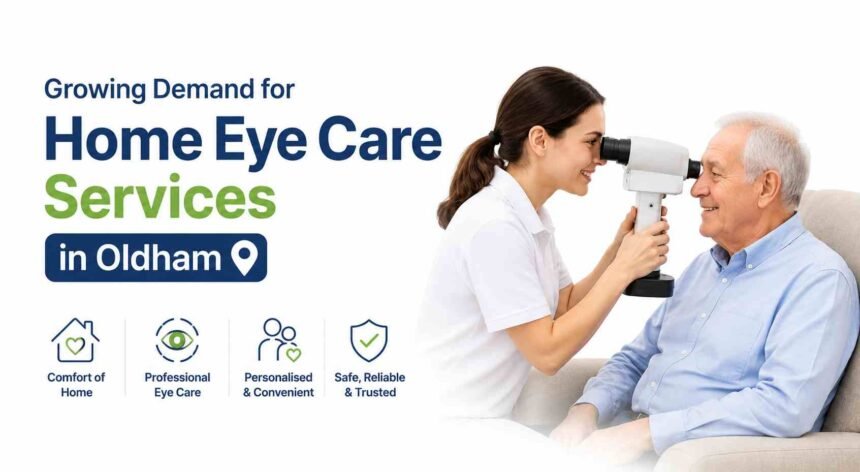
A convenient solution is a Home eye test Oldham service, which brings professional eye care directly to the patient’s doorstep.
Benefits of Home Eye Testing
| Benefit | Description |
|---|---|
| Comfort in Familiar Surroundings | Being examined at home allows patients to feel more relaxed throughout the appointment. Familiar surroundings can help reduce anxiety and create a more comfortable experience. |
| Easier Access to Professional Care | Home visits remove the need for travel, making routine eye care accessible to people who might otherwise struggle to attend appointments. |
| Personalised Service | Optometrists conducting home visits can often spend more time understanding individual needs and discussing any concerns about vision or eye health. |
| Support for Independence | Maintaining good eyesight is crucial for everyday tasks such as reading, preparing meals, using technology, and moving around safely. Regular eye care helps people remain independent for longer. |
Who Can Benefit from Home Eye Tests?
Home eye testing services are suitable for a wide range of individuals, including:
| Suitable For | Description |
|---|---|
| Older Adults | As eyesight naturally changes with age, regular examinations become increasingly important. Home visits make accessing eye care easier for older residents. |
| People with Mobility Issues | Those who use mobility aids or experience physical limitations can benefit from receiving care without leaving home. |
| Individuals Recovering from Illness | Travelling may be difficult during recovery periods. Home appointments ensure eye health is not overlooked. |
| People Living with Long-Term Conditions | Individuals managing chronic illnesses often appreciate the convenience and flexibility of receiving care at home. |
What Happens During a Home Eye Test?

A qualified optometrist arrives with specialist portable equipment designed specifically for home examinations.
The appointment typically includes:
- A discussion about medical history and vision concerns
- Assessment of visual acuity
- Eye health checks
- Evaluation of current glasses, if applicable
- Recommendations for new prescriptions or further treatment if required
If new glasses are needed, patients can often view and choose from a selection of frames during the visit.
FAQ
| Frequently Asked Question | Answer |
|---|---|
| Is a home eye test as effective as visiting an optician? | Yes. Home eye examinations use professional equipment and follow the same clinical standards as appointments conducted in optical practices. |
| How often should I have my eyes tested? | Most adults should have an eye examination every two years, although some individuals may require more frequent checks depending on their health and eye conditions. |
| Who qualifies for a home eye test? | Home eye tests are generally intended for people who cannot easily leave their home due to illness, disability, mobility issues, or other health-related reasons. |
| Can new glasses be provided after the appointment? | Yes. If a prescription is required, the optometrist can discuss suitable frame and lens options and arrange for new glasses to be supplied. |
| Can eye tests detect other health issues? | In some cases, eye examinations can identify signs associated with conditions such as diabetes, high blood pressure, and other health concerns that may require further medical investigation. |
Conclusion
Home eye care services are helping more people access the professional support they need without the challenges of travelling to an optical practice. For residents of Oldham, home eye testing offers convenience, comfort, and peace of mind while ensuring that eye health remains a priority.
By making regular eye examinations more accessible, home eye care services play an important role in supporting independence, wellbeing, and long-term vision health.
Medical Disclaimer
This article is for general information only and should not be treated as medical advice, diagnosis, or treatment. Eye health needs can vary from person to person, especially for older adults, people with diabetes, people with glaucoma, and those living with long-term health conditions.
Anyone experiencing sudden vision loss, eye pain, new flashing lights, new floaters, a red, painful eye, or a sudden change in vision should seek urgent medical advice through NHS 111, an optician, GP, or emergency care where appropriate.
A qualified optometrist or ophthalmic practitioner should carry out home eye tests. Readers should speak with a registered eye care professional for advice based on their personal health, symptoms, medical history, and vision needs.
References
- Swanson MW. Optometric care of the homebound and institutionalized older adult. Optometry and Vision Science. 1990;67(5):323-328. DOI: 10.1097/00006324-199005000-00004.
- Marmamula S, Yanamala NK, Khanna RC. “Eyecare on call”: Extending the frontiers of care through home-based eye care, concept and the protocol. Indian Journal of Ophthalmology. 2020;68(11):2625-2627. DOI: 10.4103/ijo.IJO_2352_20.
- Labreche T, Stolee P, McLeod J. An optometrist-led eye care program for older residents of retirement homes and long-term care facilities. Canadian Geriatrics Journal. 2011;14(1):8-11. DOI: 10.5770/cgj.v14i1.3.
- Marmamula S, Kumbham TR, Modepalli SB, Chakrabarti S, Keeffe JE. Barriers to uptake of referral eye care services among older people in residential care: The Hyderabad Ocular Morbidity in Elderly Study. British Journal of Ophthalmology. 2023;107(8):1184-1189. DOI: 10.1136/bjophthalmol-2021-320534.
- Tham YC, Li X, Wong TY, Quigley HA, Aung T, Cheng CY. Global prevalence of glaucoma and projections of glaucoma burden through 2040: A systematic review and meta-analysis. Ophthalmology. 2014;121(11):2081-2090. DOI: 10.1016/j.ophtha.2014.05.013.
- Teo ZL, Tham YC, Yu M, Chee ML, Rim TH, Cheung N, et al. Global prevalence of diabetic retinopathy and projection of burden through 2045: Systematic review and meta-analysis. Ophthalmology. 2021;128(11):1580-1591. DOI: 10.1016/j.ophtha.2021.04.027.
- Chakravarthy U, Wong TY, Fletcher A, Piault E, Evans C, Zlateva G, et al. Clinical risk factors for age-related macular degeneration: A systematic review and meta-analysis. BMC Ophthalmology. 2010;10:31. DOI: 10.1186/1471-2415-10-31.
- Hashemi H, Pakzad R, Yekta A, Aghamirsalim M, Pakbin M, Ramin S, et al. Global and regional prevalence of age-related cataract: A comprehensive systematic review and meta-analysis. Eye. 2020;34:1357-1370. DOI: 10.1038/s41433-020-0806-3.
- Stapleton F, Alves M, Bunya VY, Jalbert I, Lekhanont K, Malet F, et al. TFOS DEWS II Epidemiology Report. The Ocular Surface. 2017;15(3):334-365. DOI: 10.1016/j.jtos.2017.05.003.
- Hashemi H, Rezvan F, Pakzad R, Ansaripour A, Heydarian S, Yekta A, et al. Global and regional prevalence of diabetic retinopathy: A comprehensive systematic review and meta-analysis. Seminars in Ophthalmology. 2022;37(3):291-306. DOI: 10.1080/08820538.2021.1962920.