


Semaglutide is a GLP-1 receptor agonist that has reshaped how physicians approach obesity treatment and medically supervised weight management. Recent landmark trials show patients losing an average of 14.9% of body weight over 68 weeks, alongside meaningful reductions in cardiovascular events. For individuals exploring semaglutide weight loss in Boynton Beach, medically supervised clinics combine the medication with personalized nutrition guidance, behavioral support, and ongoing health monitoring, which is the model evidence shows works best. This guide explains how semaglutide works, what to expect from a structured clinical program, how to choose a reputable provider in Boynton Beach, and the risks of purchasing weight loss medications from unverified online sources.
Why Semaglutide Weight Loss in Boynton Beach Is Gaining Medical Attention
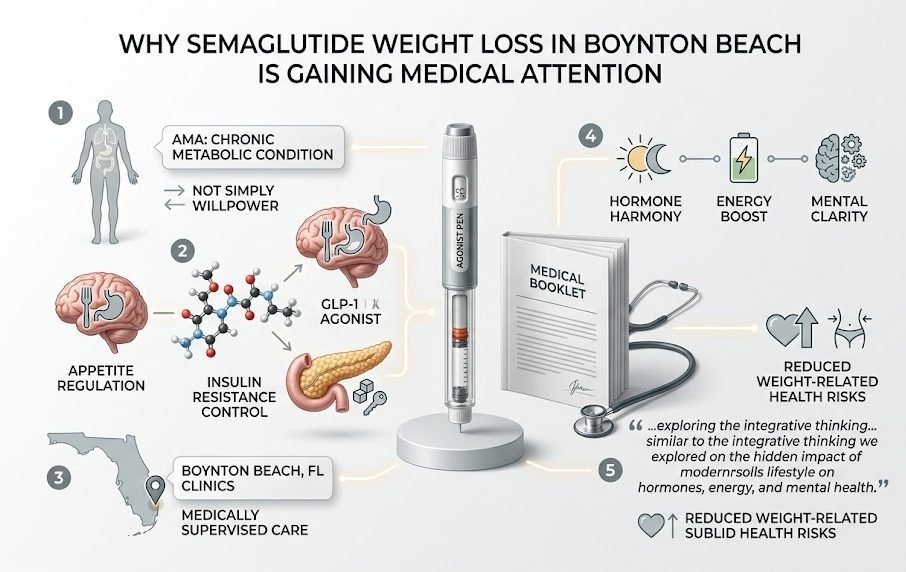
Obesity is now recognized as a chronic metabolic condition by the American Medical Association, not simply a matter of willpower. The Centers for Disease Control and Prevention reports that more than 40% of American adults live with obesity, and Florida is among the states where rates continue to climb.
In Boynton Beach, FL, medically supervised semaglutide clinics are helping patients address appetite regulation, insulin resistance, and weight-related health risks with evidence-based care. This shift mirrors a broader change in how clinicians approach long-term weight management, similar to the integrative thinking we explored in our piece on the hidden impact of modern lifestyle on hormones, energy, and mental health.
How Semaglutide Actually Works in the Body
Semaglutide is a glucagon-like peptide-1 (GLP-1) receptor agonist. It mimics a natural gut hormone that the body releases after eating. Once introduced, it triggers four main effects:
- Slowed gastric emptying, which keeps food in the stomach longer and extends fullness
- Reduced appetite signaling in the hypothalamus, which lowers hunger and food cravings
- Improved insulin sensitivity, which helps the body process glucose more efficiently
- Lowered glucagon release, which stabilizes blood sugar between meals
The result is a meaningful reduction in calorie intake without the cycle of restriction and rebound that defines most diet plans. The National Institute of Diabetes and Digestive and Kidney Diseases classifies semaglutide as one of the most effective FDA-approved options currently available for chronic weight management.
For readers who want a broader context on the GLP-1 medication class, our review of the Nalena GLP-1 telehealth program and our breakdown of what to expect in the first month of Victoza dosing cover related medications using the same biological pathway.
What the Clinical Evidence Actually Shows
The strength of semaglutide as a weight loss treatment comes from large, rigorous clinical trials. The table below summarizes the most important findings.
| Trial Name | Year | Participants | Duration | Average Weight Loss | Key Finding |
|---|---|---|---|---|---|
| STEP 1 | 2021 | 1,961 adults with obesity | 68 weeks | 14.9% body weight loss | 86% of participants achieved at least 5% weight reduction |
| STEP 4 | 2021 | 803 adults | 68 weeks | Continued treatment maintained weight loss | Stopping semaglutide led to partial weight regain |
| SELECT | 2023 | 17,604 adults with obesity and cardiovascular disease | Mean 39.8 months | Sustained weight reduction | 20% lower risk of major cardiovascular events was observed |
The STEP 1 trial, published in the New England Journal of Medicine, found that adults taking once-weekly semaglutide alongside lifestyle counseling lost an average of 14.9% of their body weight over 68 weeks compared to 2.4% in the placebo group. The SELECT trial then demonstrated that semaglutide reduced cardiovascular death, heart attack, and stroke by 20% in adults with obesity and pre-existing heart disease.
These results are significant because they extend semaglutide’s value beyond cosmetic weight loss into measurable cardiometabolic protection.
What Comprehensive Semaglutide Clinics Actually Provide
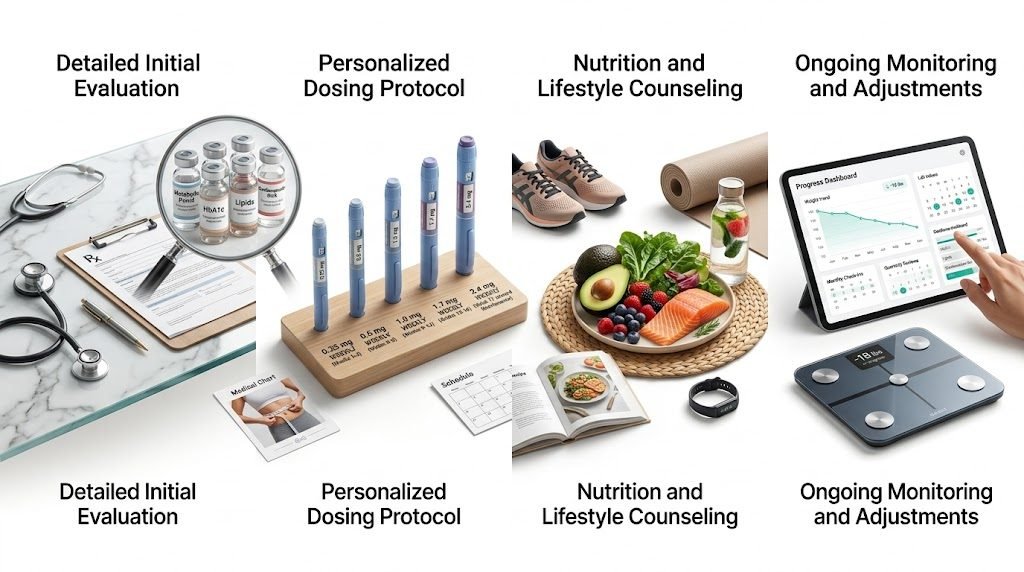
A real medical weight loss clinic does much more than write a prescription. The strongest programs in Boynton Beach include the following pillars of care.
Detailed Initial Evaluation
Before starting treatment, patients should expect a thorough workup that includes:
- Complete medical history and medication review
- Body mass index (BMI) and waist circumference measurement
- Comprehensive metabolic panel and HbA1c testing
- Thyroid function and lipid profile
- Cardiovascular risk assessment
- Mental health screening for eating disorders or depression
This level of detail is non-negotiable. Skipping it is one of the clearest red flags when evaluating a clinic, and it directly affects outcomes the same way it does in any specialty, as we covered in our analysis of factors that influence confidence in medical providers.
Personalized Dosing Protocol
Semaglutide is started at a low dose and increased gradually to minimize side effects. The standard escalation typically follows this pattern.
| Week | Dose | Purpose |
|---|---|---|
| 1 to 4 | 0.25 mg weekly | Initial tolerance phase to help the body adjust |
| 5 to 8 | 0.5 mg weekly | First dose escalation to improve effectiveness |
| 9 to 12 | 1.0 mg weekly | Mid range therapeutic dose for continued weight management |
| 13 to 16 | 1.7 mg weekly | Pre maintenance step before the full target dose |
| 17 onward | 2.4 mg weekly | Maintenance dose for long term treatment and sustained results |
A reputable clinic adjusts this schedule based on individual response, side effects, and medical history. Patients with a history of pancreatitis, certain thyroid conditions, or pregnancy are not candidates.
Nutrition and Lifestyle Counseling
Medication alone produces less durable results than medication plus lifestyle change. Quality clinics integrate registered dietitians or nutrition coaches who help patients build sustainable eating patterns. Movement coaching, sleep optimization, and stress management often round out the program. Our piece on the connection between movement and mental well-being explains why this integrated approach outperforms isolated treatment.
Ongoing Monitoring and Adjustments
Monthly check-ins are standard during the first six months. These visits track weight progression, side effects, lab values, and emotional well-being. The cadence may shift to quarterly once a maintenance dose is reached.
Five Things to Look for in a Semaglutide Weight Loss Clinic
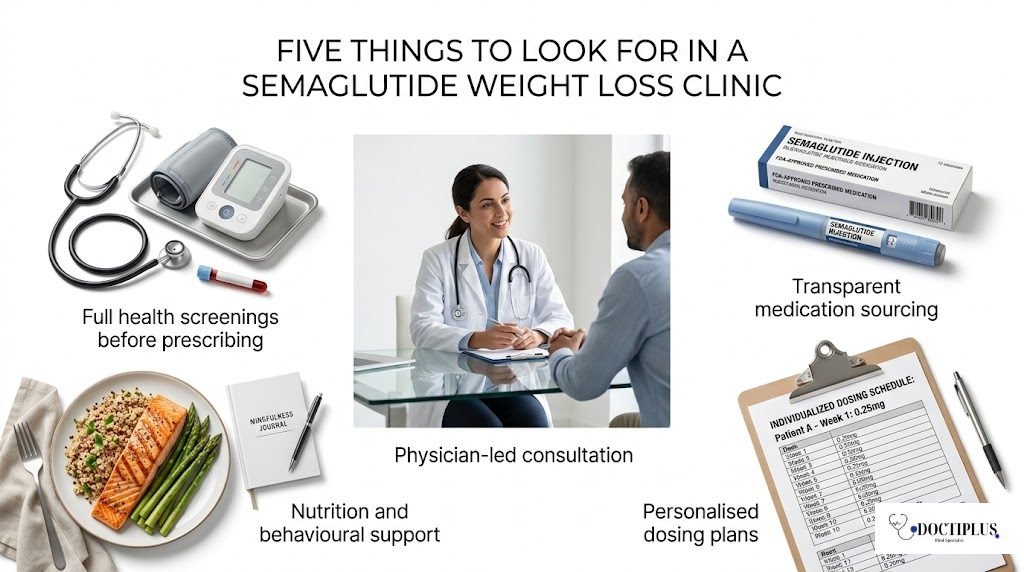
Choosing the right provider has a measurable impact on both safety and results. The criteria below separate legitimate medical clinics from cosmetic operations.
| What to Look For | Why It Matters | Red Flag If Missing |
|---|---|---|
| Physician led consultations | Ensures medical eligibility, safety, and appropriate prescribing decisions are properly assessed | “Quick approval” with little or no medical evaluation |
| Full health screenings before prescribing | Helps identify contraindications, underlying conditions, and potential treatment risks | No bloodwork, medical history review, or health assessment required |
| Transparent medication sourcing | Confirms FDA approved and pharmacy dispensed medication quality and legitimacy | “Compounded” medication offered without clear sourcing or provenance |
| Personalised dosing plans | Reduces side effects, improves comfort, and supports long term adherence | One size fits all dosing with no treatment adjustments |
| Nutrition and behavioural support | Improves long term weight management outcomes and treatment sustainability | Medicatio |
Real Risks of Searching for “Semaglutide for Sale” Online
As demand has surged, so has a parallel market of unverified online sellers offering semaglutide without medical oversight. The U.S. Food and Drug Administration has issued warnings about counterfeit and unauthorized semaglutide products entering the supply chain, including listings often marketed under phrases like “semaglutide for sale”.
The risks of buying without supervision include:
- Counterfeit medication with incorrect dosing or unknown ingredients
- Improper dosing that triggers severe side effects
- Missed contraindications that put cardiovascular or thyroid health at risk
- No emergency support if side effects escalate
- Legal and insurance complications when treating unmanaged complications
These are not hypothetical concerns. They are documented in adverse event reports submitted to the FDA. The same logic that applies to other regulated medications applies here, as we noted in our coverage of common supplement mistakes and how to avoid them.
Common Side Effects and How Clinics Manage Them
Most side effects of semaglutide are gastrointestinal and tend to improve as the body adjusts. The table below summarizes typical issues and clinical responses.
| Side Effect | Frequency | How Clinics Typically Manage |
|---|---|---|
| Nausea | Common during early treatment | Slow dose escalation, smaller meals, and increased hydration |
| Constipation | Common | Higher fibre intake, hydration, and stool softeners if necessary |
| Diarrhoea | Less common | Dietary adjustments and probiotic support |
| Fatigue | Variable | Nutrient screening, hydration, and sleep improvement strategies |
| Acid reflux | Occasional | Meal timing adjustments and head of bed elevation |
| Gallbladder issues | Rare but serious | Immediate medical evaluation and monitoring |
| Pancreatitis | Rare | Immediate discontinuation and urgent medical assessment if suspected |
The Mayo Clinic and Cleveland Clinic both maintain detailed patient education resources outlining warning signs that require immediate medical attention.
Benefits Beyond the Scale
Modern medical literature shows that semaglutide produces health benefits well beyond weight loss alone, particularly when paired with structured clinical care.
- Cardiovascular protection: SELECT trial data showed a 20% reduction in major adverse cardiovascular events
- Improved glycemic control: Better insulin sensitivity and HbA1c reduction
- Reduced inflammation markers: Lower C-reactive protein and improved metabolic profiles
- Mobility improvements: Reduced joint pain due to weight reduction, which our best joint supplement guide discusses in similar contexts
- Sleep quality gains: Improvement in sleep apnea symptoms with weight reduction
- Mood stability: Many patients report better energy and reduced food-related anxiety
These benefits reinforce why endocrinologists increasingly view semaglutide as part of comprehensive obesity medicine rather than a cosmetic shortcut.
What Boynton Beach Patients Should Expect from a Quality Program
Local clinics that deliver real value follow a predictable structure during the first year of care.
| Phase | Timeline | Focus |
|---|---|---|
| Evaluation | Weeks 1 to 2 | Medical screening, lab work, baseline measurements, and assessment of eligibility |
| Initiation | Weeks 3 to 8 | Low dose semaglutide start, nutrition consultation, and early side effect monitoring |
| Escalation | Weeks 9 to 16 | Gradual dose increases, behavioural coaching, and adherence support |
| Optimization | Months 5 to 8 | Reaching and stabilising at maintenance dose, refining lifestyle and diet plan |
| Maintenance | Month 9 onward | Ongoing monitoring, long term weight management support, and gradual independence from intensive clinical input |
The patients who do best are those who treat the medication as part of a broader lifestyle change rather than a standalone fix. This mindset connects directly to the principles in our piece on why what you eat matters long before anything goes wrong.
Cost Considerations and Insurance Coverage
Without insurance, semaglutide can cost between $900 and $1,400 per month at U.S. retail pricing. Many insurance plans now cover semaglutide for FDA-approved indications, particularly for patients with a BMI above 30 or above 27 with weight-related comorbidities. Clinics often have benefits coordinators who help patients navigate prior authorization. Patients without coverage may explore manufacturer savings programs offered by Novo Nordisk.
Frequently Asked Questions
| Question | Answer |
|---|---|
| How quickly will I see weight loss with semaglutide? | Most patients begin noticing reduced appetite within the first two to four weeks. Visible weight loss typically appears around weeks four to eight, with peak effects often seen between 12 and 16 months while on the maintenance dose. |
| Will I regain weight if I stop taking semaglutide? | Studies show partial weight regain is common after discontinuation. The STEP 1 extension trial found that many patients regained roughly two thirds of their lost weight within one year of stopping treatment. This is why healthcare providers often view semaglutide as a long term treatment rather than a short term solution. |
| Is semaglutide safe long term? | Current research indicates a generally favourable safety profile when semaglutide is used under proper medical supervision. Ongoing long term studies continue to evaluate outcomes beyond five years of use. |
| Can I take semaglutide if I do not have diabetes? | Yes. Wegovy is approved for chronic weight management in adults with a BMI of 30 or higher, or 27 or higher with at least one weight related condition such as high blood pressure or sleep apnoea. |
| What lifestyle changes should accompany treatment? | Better outcomes are usually achieved when semaglutide is combined with healthy lifestyle habits, including adequate protein intake, regular strength training to maintain muscle mass, hydration, quality sleep, and stress management. |
| Are there people who should not take semaglutide? | Yes. Semaglutide may not be suitable for individuals with a personal or family history of medullary thyroid carcinoma, multiple endocrine neoplasia type 2, severe gastrointestinal disease, previous pancreatitis, or for those who are pregnant or breastfeeding. |
| How is semaglutide different from tirzepatide? | Tirzepatide works on both GLP 1 and GIP receptors, while semaglutide targets GLP 1 receptors alone. Some studies, including SURMOUNT trials, suggest tirzepatide may produce slightly greater average weight loss, although both medications are considered highly effective for obesity treatment. |
Future of Semaglutide Weight Loss in Boynton Beach
Semaglutide clinics are reshaping medical weight loss by treating obesity as the chronic metabolic condition it is. The combination of physician oversight, validated medication, personalized planning, and lifestyle integration delivers outcomes that diet plans alone cannot match.
For Boynton Beach residents exploring this option, the strongest predictor of long-term success is choosing a clinic that emphasizes clinical depth over speed. Programs that screen carefully, dose carefully, and support consistently are the ones producing meaningful, sustainable change. The decision is not just about the medication. It is about the model of care surrounding it.
Medical Disclaimer
This article is for informational and educational purposes only and is not intended as a substitute for professional medical advice, diagnosis, or treatment. Semaglutide is a prescription medication with potential side effects and contraindications. Always consult your physician or qualified healthcare provider before starting, stopping, or adjusting any medication. The information provided here does not establish a doctor-patient relationship and should not replace personalized clinical judgment. Individual results vary based on age, BMI, medical history, adherence, and lifestyle factors. The mention of specific clinics, locations, or medications does not constitute an endorsement and should be independently verified. Never purchase prescription medications from unverified online sources, as counterfeit and unauthorized products pose serious safety risks documented by the FDA.
References
- Wilding JPH, Batterham RL, Calanna S, et al. Once-weekly semaglutide in adults with overweight or obesity. New England Journal of Medicine. 2021;384(11):989-1002. DOI: 10.1056.NEJMoa2032183. Available at: nejm.org
- Rubino D, Abrahamsson N, Davies M, et al. Effect of continued weekly subcutaneous semaglutide vs placebo on weight loss maintenance in adults with overweight or obesity: The STEP 4 randomized clinical trial. JAMA. 2021;325(14):1414-1425. DOI: 10.1001.jama.2021.3224.
- Lincoff AM, Brown-Frandsen K, Colhoun HM, et al. Semaglutide and cardiovascular outcomes in obesity without diabetes. New England Journal of Medicine. 2023;389(24):2221-2232. DOI: 10.1056.NEJMoa2307563.
- Wilding JPH, Batterham RL, Davies M, et al. Weight regain and cardiometabolic effects after withdrawal of semaglutide: The STEP 1 trial extension. Diabetes, Obesity, and Metabolism. 2022;24(8):1553-1564. DOI: 10.1111.dom.14725.
- Davies M, Færch L, Jeppesen OK, et al. Semaglutide 2.4 mg once a week in adults with overweight or obesity, and type 2 diabetes (STEP 2): A randomised, double-blind, double-dummy, placebo-controlled, phase 3 trial. The Lancet. 2021;397(10278):971-984. DOI: 10.1016/S0140-6736 (21)00213-0.
- Centers for Disease Control and Prevention. Adult Obesity Facts. 2024. National Center for Health Statistics. Available at: cdc.gov
- U.S. Food and Drug Administration. Medications Containing Semaglutide Marketed for Type 2 Diabetes or Weight Loss. 2024. Available at: fda.gov
- National Institute of Diabetes and Digestive and Kidney Diseases. Prescription Medications to Treat Overweight and Obesity. 2023. Available at: niddk.nih.gov
- American Medical Association. AMA Recognizes Obesity as a Disease. AMA House of Delegates Resolution 420 (A-13). 2013. Available at: ama-assn.org
- Garvey WT, Batterham RL, Bhatta M, et al. Two-year effects of semaglutide in adults with overweight or obesity: The STEP 5 trial. Nature Medicine. 2022;28(10):2083-2091. DOI: 10.1038/s41591-022-02026-4.
- Ryan DH, Lingvay I, Deanfield J, et al. Long-term weight loss effects of semaglutide in obesity without diabetes in the SELECT trial. Nature Medicine. 2024;30(7):2049-2057. DOI: 10.1038/s41591-024-02996-7.
- Cleveland Clinic. Semaglutide Injection: Uses, Side Effects, and Warnings. 2024. Available at: clevelandclinic.org
- Mayo Clinic. Semaglutide Subcutaneous Route Description and Brand Names. 2024. Available at: mayoclinic.org