

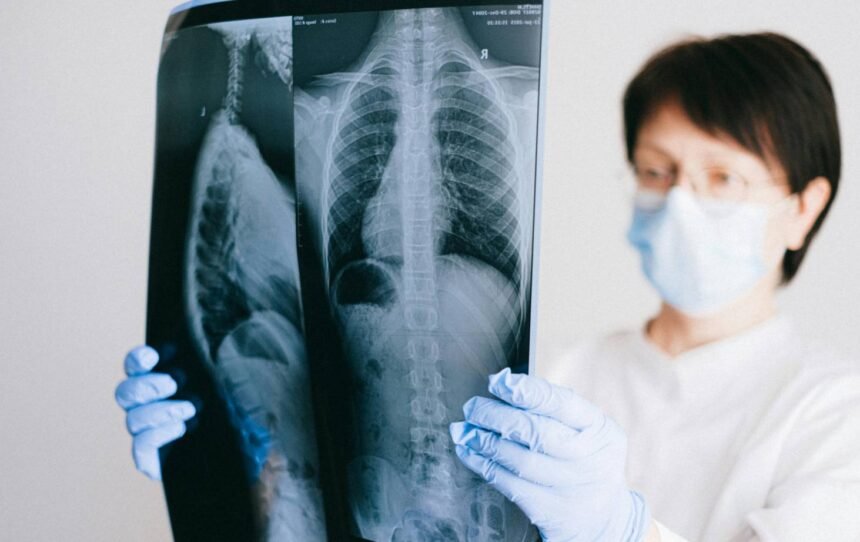
After you have received the diagnosis of asbestos-related lung cancer, your total understanding of your own health, priorities, and management of time changes. Lung cancer develops slowly over the years, and suddenly comes down on each patient on a personal basis. You need to make medical decisions in the midst of emotional experiences, a changing life and health, and a financial burden.
Knowing how to live with lung cancer provides you with an organized plan to overcome unpredictable situations. It helps you regain a sense of control and improve your quality of life. The approaches below can help you better cope with the diagnosis.
Understand Your Diagnosis and Treatment Plan
The knowledge you obtain from understanding your diagnosis allows for managing your condition efficiently. The body begins to develop lung cancer after an asbestos exposure that takes place years prior to diagnosis. It is through imaging tests, biopsies, and staging procedures that your care team determines the cancer’s progression and probable treatments.
You should be well-informed of all of your treatment plan, and the various aspects of it should be covered with you by your physician. Treatment choices can be varied but may include, but are not limited to, surgery, chemotherapy, radiation treatment, and targeted therapy.
Make sure you fully understand your treatment plan. Taking notes during appointments allows you not to miss important information and will assist you in making decisions. Please feel free to ask questions or request clarification when necessary. Key questions to ask your doctor include the following:
- What stage is my cancer, and what does it mean?
- What treatment options are available for my case?
- What side effects should I expect?
- How will treatment affect my daily life?
Build a Strong Medical Support Team
Successful treatment depends on an effective care team that must have effective communication among its members. Team members consist of oncologists and pulmonary specialists, radiologists and nurses, and palliative care specialists. The role of medical professionals is to aid you in achieving treatment and improving your overall health.
It is through a strong medical team that you will receive the best care possible in making all treatment decisions. Report any changes in your medical status to your doctor immediately, while continuing your prescribed treatment regimen. Also, obtain a second opinion on your condition and treatment plan.
Address Financial and Legal Concerns
Patients with a cancer diagnosis will suffer financially due to high medical expenses and loss of income. You will be able to receive compensation for your medical expenses, medical bills, and medical charges when you understand your legal rights.
A reliable lung cancer lawyer is helpful for your claim. They will aid you in building your case for asbestos exposure through their legal expertise. Your legal team will help you submit necessary documents to the court, observe your medical bills’ relevant deadlines, and determine the proper forms of compensation. It will allow you to focus on your treatment when you have less financial strain on your part.
What to do while looking into financial and legal support includes:
- Get your medical record and exposure history
- Have details of your job history documented if your employment involved asbestos exposure
- Talk to the proper legal representative right away
- Review medical charges and time frame
- Obtain proper medical guidance and advice
Prioritize Emotional and Mental Health

Fear and anger, along with uncertainty, are all common emotions that many may experience that they should not ignore. When you work to improve your emotional health, there are improvements in the outcome for treatment while improving your recovery.
Please contact a mental health specialist who works directly with patients undergoing oncology treatment. Professionals have a way of tailoring solutions that address your specific needs. Counseling, therapy, or support groups can provide coping strategies tailored to your situation.
Manage Physical Symptoms Effectively
The level of severity of symptoms can differ among individuals receiving lung cancer treatment. If you are managing your physical symptoms successfully, then you will be able to manage an everyday level of comfort. Your physician may recommend medication, oxygen therapy, and a treatment plan for pulmonary rehabilitation designed just for you.
Small improvements in everyday routines will contribute to overall comfort. For instance, for patients willing to implement change into their daily life routine, the health outcome will be greatly enhanced.
If you notice any signs listed below, report them to your doctor promptly to ensure timely care:
- Persistent cough
- Shortness of breath
- Chest pain or tightness
- Severe fatigue
- Unexplained weight loss
Enhance Your Support System

It is important to build a support system with people who can help, from your family to your friends. Your family should be educated regarding your needs. This will help them understand your needs and assist with daily routines and appointments. They also offer emotional support, crucial during these tough times.
There are also community health organizations or support groups available that can provide additional helpful resources. It is another aspect of a support system you may find comfort in, decrease loneliness, and give you peace of mind. These groups can also connect you with people who understand your experience.
Focus on Nutrition and Daily Care
Nutrition will provide you with the necessary vitamins and proteins, as well as hydration, that you need throughout the day, so you can maintain your energy. Eating small amounts several times a day will enable your body to get all the nutrients it can from different kinds of food.
Self-care will also improve your condition. Please ensure you have adequate rest, which starts with a consistent bedtime schedule. Patients can have greater mental and physical health from mild activity such as walking small distances or performing gentle stretches. Alter your routine in accordance with the capacity of your body.
Endnote
Treatment of physical, emotional, and logistical needs for the patient undergoing asbestos-related lung cancer is a simultaneous aspect. Patients enjoy a fulfilling life with a solid support system and by following medical guidance. Once an understanding of the condition is achieved, you will then be in control of your life. It paves the way for an all-round, long-term strategy in managing the illness.
Disclaimer
The information contained within this article is only for informational use. It should not be used as a substitute for professional advice, diagnosis, or treatment plan. Always consult a certified healthcare provider regarding any medical concerns or treatment decisions.
References
- American Cancer Society. (2023). Lung cancer facts and figures 2023. https://www.cancer.org/cancer/managing-cancer.html
- Centers for Disease Control and Prevention. (2023). Asbestos and health effects. https://www.atsdr.cdc.gov/asbestos/health-effects/
- Journal of Thoracic Oncology. (2021). Advances in lung cancer treatment. https://www.jto.org/article/S1556-0864(15)31458-1/fulltext
- National Cancer Institute. (2024). Non-small cell lung cancer treatment (PDQ®)–Patient version. https://www.cancer.gov/types/lung/hp/non-small-cell-lung-treatment-pdq
- World Health Organization. (2022). Asbestos: Elimination of asbestos-related diseases. https://www.who.int/publications/i/item/WHO-FWC-PHE-EPE-14.01