

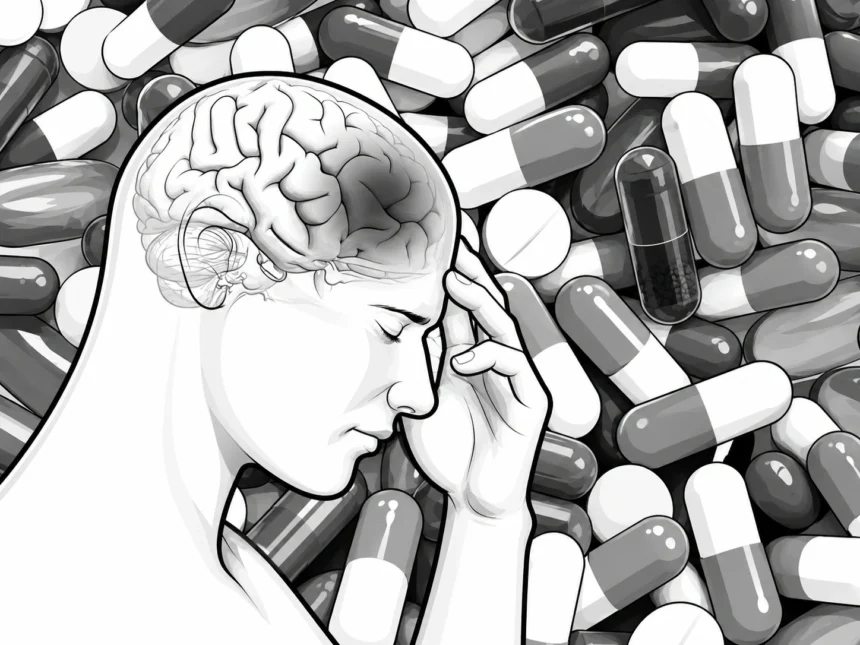
Prescription drugs rehab can feel like a big, scary phrase when all you know is that life has become hard to manage.
Maybe it started with pills after surgery.
Maybe it began with anxiety medication, sleep medication, or painkillers that seemed harmless because a doctor once prescribed them.
Then one day, the bottle mattered more than work, family, food, sleep, or peace.
That is usually the part people do not talk about.
Addiction does not always look dramatic at first.
Sometimes it looks like counting pills in the bathroom before dinner.
Sometimes it looks like telling yourself, “I just need one more to get through today.”
Sometimes it looks like being present in the room but mentally somewhere else, which is why prescription drugs rehab can help people reconnect with daily life.
When Medication Stops Feeling Like Medication
Prescription drug addiction can be confusing because the substance may have started as treatment.
That is what makes denial so easy.
A person may say, “I am not using street drugs.”
They may say, “These were prescribed.”
They may say, “I can stop when things calm down.”
But addiction does not care where the pills came from.
It only cares that the body and brain have started depending on them.
I have seen people describe this stage as living with two versions of themselves.
One version wants to get better.
The other version is terrified of withdrawal, cravings, pain, panic, or sleepless nights.
That inner fight can be exhausting.
It can make a person feel weak, even when they are fighting harder than anyone can see.
Rehab Gives Structure When Life Feels Messy

Recovery often starts with one simple thing.
Structure.
When someone is misusing prescription medication, daily life can become unpredictable.
Mornings feel heavy.
Appointments get missed.
Meals become random.
Sleep happens at strange hours.
Relationships become tense because trust has been damaged.
A treatment program helps rebuild a routine piece by piece.
Wake up.
Eat.
Attend therapy.
Talk honestly.
Rest.
Repeat.
That may sound basic, but basic things can feel impossible during addiction.
Rehab creates a safe place where the day has a rhythm again.
That rhythm matters because recovery is not built on one huge decision.
It is built on small decisions made again and again.
The First Few Days Can Be the Hardest
Many people fear detox more than anything else.
That fear is understandable.
Stopping certain prescription medications suddenly can be uncomfortable and sometimes risky.
Medical support can help people manage withdrawal symptoms more safely.
This is one reason professional care matters.
A person should not have to guess their way through shaking, sweating, nausea, anxiety, mood swings, or insomnia alone.
In a supervised setting, the focus is not shame.
The focus is stability.
The first goal is simple.
Help the body get through the early stage without the person feeling abandoned.
Once the body starts to settle, the deeper work can begin.
Therapy Helps You Understand the “Why”
Addiction is not just about pills.
It is also about pain.
That pain may be physical.
It may be grief, trauma, stress, loneliness, pressure, or fear.
Therapy helps uncover what the medication was really doing for the person.
Was it helping them escape memories?
Was it helping them sleep?
Was it helping them feel confident?
Was it numbing sadness?
Was it making daily stress feel less sharp?
These questions matter because recovery is not only about stopping substance use.
It is about learning how to live without needing to disappear from your own life.
A good counselor does not just ask, “Why did you take it?”
They ask, “What were you trying to survive?”
Real Life Has to Be Rebuilt Slowly
One man once described recovery like walking back into a house after a storm.
The roof was still there.
The walls were still standing.
But everything inside needed attention.
That is what life after prescription drug misuse can feel like.
Bills may need fixing.
Trust may need rebuilding.
Work habits may need repair.
Health may need attention.
Family conversations may feel uncomfortable.
Rehab helps people face those areas without trying to fix everything in one day.
That is important because trying to repair life too fast can become overwhelming.
Recovery works better when the next step is clear.
Not the next ten years.
Just the next honest step.
Learning New Coping Skills Changes Everything
Many people relapse because they return to the same stress with no new tools.
That is why coping skills are a major part of treatment.
Someone who used pills to calm anxiety may need breathing techniques, therapy tools, grounding exercises, and healthier routines.
Someone who used medication to sleep may need a new nighttime schedule.
Someone who used pain pills after an injury may need help managing pain in safer ways.
Someone who used stimulants to keep up with pressure may need boundaries and rest.
These skills are not magic.
They take practice.
But they give a person options.
And options are powerful.
Addiction makes people feel trapped.
Recovery teaches them they have choices again.
Family Support Can Help Repair Trust
Prescription medication addiction often affects the whole household.
Family members may feel hurt, confused, angry, or scared.
They may not understand why their loved one kept using.
They may wonder if promises still mean anything.
Rehab can help families communicate in a healthier way.
That does not mean everything is fixed overnight.
Trust takes time.
But honest conversations can begin.
A person in recovery can learn how to take responsibility without drowning in guilt.
Family members can learn how to support without controlling.
Everyone can learn what boundaries look like.
That is a major part of rebuilding daily life.
A Relapse Prevention Plan Keeps Recovery Practical
Leaving treatment without a plan can be risky.
Real life comes back quickly.
Stress returns.
Old contacts may appear.
Pain may flare up.
Anxiety may hit.
Sleep may get rough.
A relapse prevention plan helps prepare for those moments before they happen.
The plan may include therapy appointments, support groups, sober contacts, medication management, exercise, sleep routines, and emergency steps for cravings.
It may also include avoiding certain people, places, or habits.
This is not about living in fear.
It is about being prepared.
A strong recovery plan turns a scary moment into a manageable one.
Daily Life Starts to Feel Possible Again

One of the most powerful parts of recovery is not dramatic.
It is ordinary.
Waking up clear.
Remembering conversations.
Showing up on time.
Eating breakfast.
Laughing without forcing it.
Answering the phone without panic.
Going to bed without counting pills.
These moments may seem small to someone who has never struggled with addiction.
But for someone rebuilding their life, they are huge.
They are proof that the brain and body can heal.
They are proof that life can become steady again.
They are proof that addiction does not get the final word.
Recovery Is Not About Becoming Perfect

People often think rehab is about becoming a completely new person.
That can feel intimidating.
The truth is simpler.
Recovery is about becoming honest.
Honest about what happened.
Honest about what hurts.
Honest about what needs to change.
Honest about what support is needed.
No one walks into treatment with everything figured out.
They walk in because something is not working anymore.
That is enough.
A person does not need to feel brave every second.
They just need to be willing to take the next step.
Why Getting Help Matters
Prescription drug addiction can make life feel smaller and smaller.
Treatment helps open life back up.
It gives people medical care, emotional support, structure, therapy, relapse prevention, and a path forward.
More than anything, it gives people a chance to stop surviving and start rebuilding.
That rebuilding may begin quietly.
A phone call.
An honest conversation.
A packed bag.
A first appointment.
A decision made after a long night.
But small beginnings can still lead to real change.
And for many people, that first step becomes the moment life finally starts moving in the right direction again.