

If you have spent any real time researching teeth aligners, you already know the strange feeling that comes with it. You start with one simple question, and three hours later you have watched a dozen videos, scrolled through before-and-after photos, and read a handful of blog posts that somehow left you more confused than when you began. One article swears aligners are the future. Another insists braces still win. A third promises a perfect smile in a matter of months.
This piece is meant to cut through that noise. No jargon, no pressure, no clever wording designed to nudge you toward a purchase. Just straight answers to the questions most people quietly carry before they begin.
For a lot of people, clear Teeth Aligners have become the default alternative to metal braces, and it is easy to see why. They are subtle, removable, and far less disruptive to daily life. But being popular and being right for you are not the same thing, so let us slow down and look at what actually matters.
What Clear Aligners Actually Are
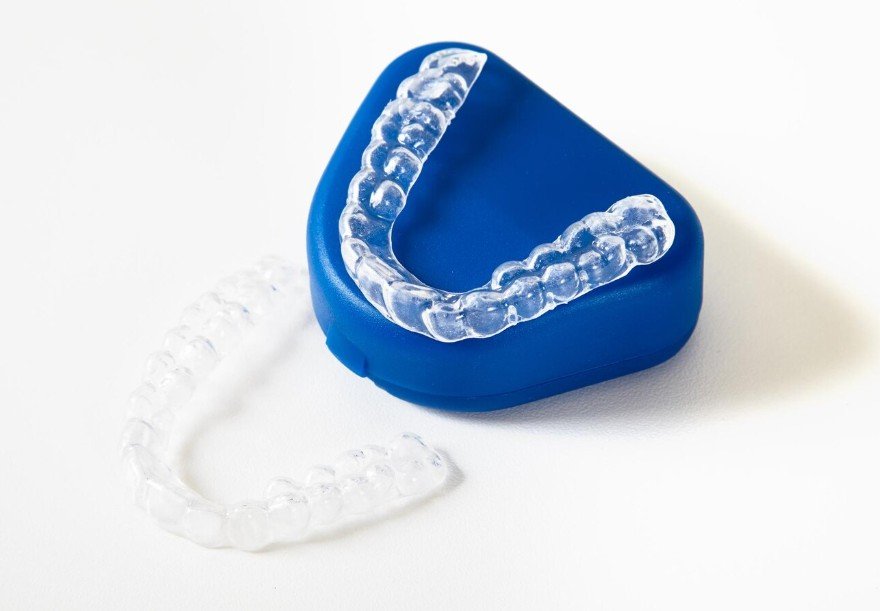
Strip away the marketing and the idea is simple. Clear aligners are thin, custom-made plastic trays that fit snugly over your teeth and apply light, steady pressure to move them a little at a time. You wear one set for a stretch, then swap it for the next in the series, and each tray nudges your teeth slightly closer to their planned position.
Most people come to aligners because of some form of crowding, spacing, or a bad bite, known clinically as malocclusion. It is far more common than people assume. Cleveland Clinic notes that some degree of it affects a majority of people worldwide, so if your teeth are not perfectly straight, you are in very ordinary company.
Do Aligners Hurt, And Will Anyone Notice?
This tends to be the first real worry, and it is a fair one. Nobody wants to sign up for months of discomfort.
The honest answer is that aligners are generally comfortable, with one small catch. Because there are no brackets or wires, most people find them easier to live with than traditional braces. What you will feel is a mild pressure or tightness for a day or two each time you move to a new tray. That sensation is not a warning sign. It is simply your teeth responding to the next small adjustment.
| What People Usually Ask | The Short Answer |
| Will it hurt? | A little pressure for a day or two, nothing more. |
| Can I take them out? | Yes, for eating, drinking, and brushing. |
| Will people notice? | Rarely. They are clear and sit close to the teeth. |
| Can I still talk normally? | Usually yes, after a short adjustment. |
As for whether people will notice, they usually will not. The trays are clear and sit close to the teeth. You take them out to eat, to drink anything other than water, and to brush, and you keep them in the rest of the time. The American Association of Orthodontists points out that aligners are typically worn around 22 hours a day and shift teeth a fraction of a millimeter at a time, which is exactly why consistency ends up mattering more than almost anything else.
How Aligners Actually Move Your Teeth
There is a myth worth clearing up. Aligners do not work by magic, and they do not straighten anything overnight. They work through patience.
Think about shifting a heavy piece of furniture across a room. You do not launch it in one push. You edge it along, a bit at a time, until it lands where you want it. Teeth move the same way. Each tray is engineered to create one tiny, deliberate movement, and those movements stack up over weeks and months into a change that looks dramatic only when you compare the very start with the very end.
| What Is Happening | In Plain Terms |
| Gentle pressure | Each tray guides your teeth a little at a time. |
| Small movements | Every aligner shifts them by a fraction. |
| Planned in advance | The full path is mapped before you start. |
| Regular check-ins | Progress is monitored as you go. |
The whole path is mapped out in advance, which is a point often lost in the excitement of before-and-after photos. If you want the mechanics without the gloss, this plain-language overview of misaligned teeth and jaws from InformedHealth.org lays out how orthodontic treatment gradually repositions teeth. The takeaway is that trust and consistency do more of the heavy lifting than speed ever could.
Can Straighter Teeth Really Change How You Feel?
Ask anyone who has spent years angling out of group photos, and the answer is usually yes.
A smile is not only about the teeth themselves. It is about how you carry yourself when you talk, laugh, or meet someone new. Plenty of people finish treatment and say the biggest shift was not the alignment at all. It was that they stopped thinking about their teeth. They stopped covering their mouth mid-laugh, and they stopped bracing themselves before a camera.
| Before Treatment | After Treatment |
| Covering the smile | Smiling without a second thought |
| Dodging photos | Actually enjoying them |
| Feeling self-conscious | Feeling at ease |
| Always aware of the teeth | Forgetting about them entirely |
This is not just feel-good talk either. A systematic review of orthodontic treatment and self-esteem found meaningful improvements in how people felt about themselves once treatment was complete. Confidence is hard to put a number on, but for a lot of patients it turns out to be the part that lingers long after the trays are gone.
Are Aligners Worth The Money?
Here is the question everyone circles but few say out loud. Cost.
Yes, aligners are an investment, and pretending otherwise would be dishonest. But how much they cost is the wrong question to lead with. The better one is what you are actually paying for. A proper treatment is not just a stack of plastic trays. It includes the planning, the technology, the monitoring along the way, and the retainers that hold everything in place afterward, which the ADA describes as essential for keeping your results from drifting back.
Before you choose based on price alone, it helps to run through a few plain questions.
| Before You Choose On Price Alone | Ask Yourself |
| Is a professional involved? | Yes or no? |
| Are follow-ups included? | Yes or no? |
| Are retainers included? | Yes or no? |
| Any hidden charges? | Yes or no? |
| Do you trust the provider? | Yes or no? |
The cheapest option and the smartest option are not always the same thing, and the gap between them usually shows up months down the line.
How To Choose Between All The Brands
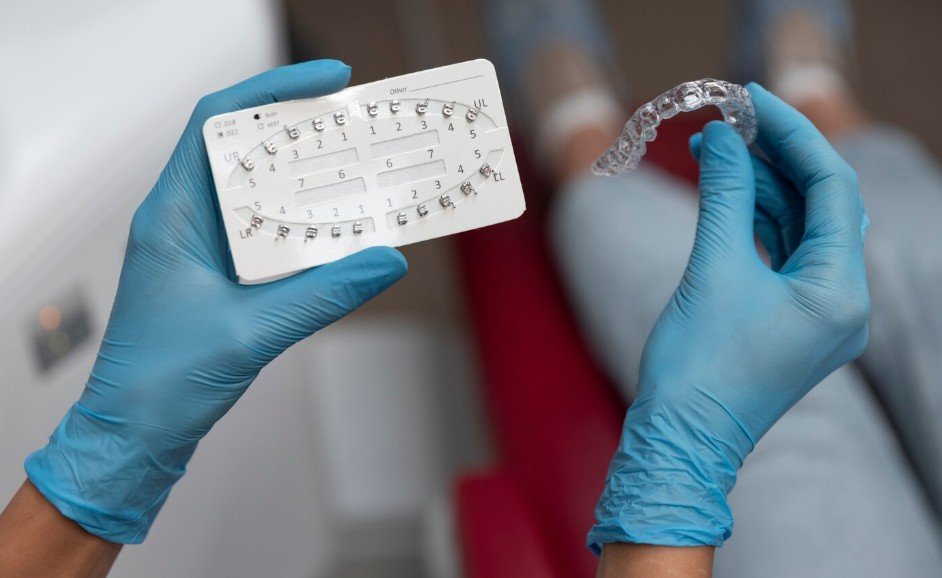
There have never been more aligner options, which sounds wonderful until you actually try to pick one. The easy mistake is to compare only the number on the price tag.
A better approach is to weigh the experience built around the treatment. Is a trained professional supervising your case, or are you mostly on your own? Orthodontics is a genuine dental specialty, and Cleveland Clinic has a useful primer on what orthodontic treatment involves if you want to understand who should be guiding you.
| What To Compare | Why It Matters |
| Professional supervision | Your case should be monitored. |
| Treatment planning | Better planning, better results. |
| Technology used | Improves precision and predictability. |
| Support during treatment | Questions will come up along the way. |
| Reputation and results | Real patient outcomes tell the truth. |
It also helps to remember that aligners are not the answer for every case. Some bites are corrected more predictably with braces, and the American Association of Orthodontists offers a level-headed comparison of braces and clear aligners that makes an important point. The appliance matters far less than the skill of the person directing your treatment.
What Actually Deserves Your Attention
If you take only one thing from all of this, let it be the order of your priorities.
| Priority | Focus On |
| 1st | Safety and professional guidance |
| 2nd | Quality of treatment planning |
| 3rd | Comfort and convenience |
| 4th | Transparent pricing |
| 5th | Technology and innovation |
| 6th | Cost on its own |
None of it works without you, though. Aligners only deliver results when they are worn as directed, and the care habits orthodontists recommend, such as keeping the trays in their case, sticking to water while they are in, and brushing before you put them back, are what protect both your teeth and the money you have spent.
A Few Honest Final Thoughts
If aligners have been on your mind, resist the urge to drown in more information. Most people researching this do not need another article. They need the right questions and a provider they trust.
So ask those questions. Understand your options. Compare carefully, and look past the flashiest promise. The best treatment is rarely the fastest or the cheapest. It is the one that leaves you with a healthy, confident smile and makes the process feel manageable rather than stressful. Because in the end, aligners are not really about moving teeth. They are about letting you smile without thinking twice about it.
Medical Disclaimer
This article is for general information only and is not a substitute for professional dental or medical advice. Everyone’s teeth and bite are different, so please speak with a licensed dentist or orthodontist before starting any aligner or orthodontic treatment.
References
- American Association of Orthodontists, Aligners: https://aaoinfo.org/treatments/aligners/
- American Association of Orthodontists, Braces vs clear aligners: https://aaoinfo.org/whats-trending/braces-vs-clear-aligners/
- American Association of Orthodontists, Clear aligner therapy: https://aaoinfo.org/whats-trending/clear-aligner-therapy/
- Cleveland Clinic, Malocclusion: https://my.clevelandclinic.org/health/diseases/22010-malocclusion
- Cleveland Clinic, Orthodontics: https://my.clevelandclinic.org/health/treatments/24285-orthodontics
- InformedHealth.org (NCBI Bookshelf), Overview: Misaligned teeth and jaws: https://www.ncbi.nlm.nih.gov/books/NBK553375/
- ADA MouthHealthy, Orthodontics: https://www.mouthhealthy.org/all-topics-a-z/orthodontics
- Evaluation of the Impact of Orthodontic Treatment on Patients’ Self-Esteem: A Systematic Review (NCBI PMC): https://www.ncbi.nlm.nih.gov/pmc/articles/PMC10618848/