

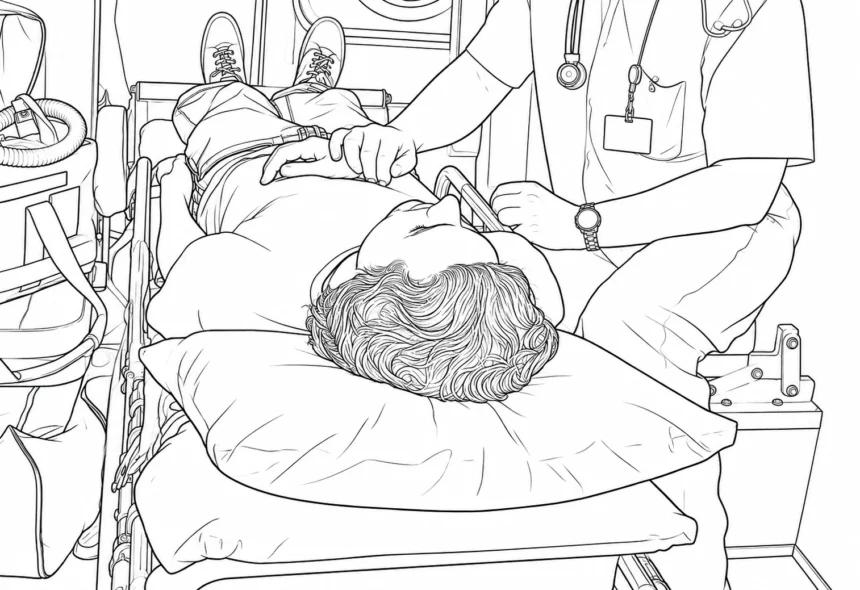
Car accidents can leave lasting effects that extend well beyond the initial injury. While some individuals recover quickly, others experience long-term pain that affects daily activities, mobility, and overall quality of life. This type of pain may persist for months or even years, requiring ongoing care and a comprehensive treatment approach.
The available treatment options is essential for managing long-term pain effectively. Recovery often involves a combination of medical care, rehabilitation, and lifestyle adjustments tailored to the individual’s condition.
Why Long-Term Pain After an Accident
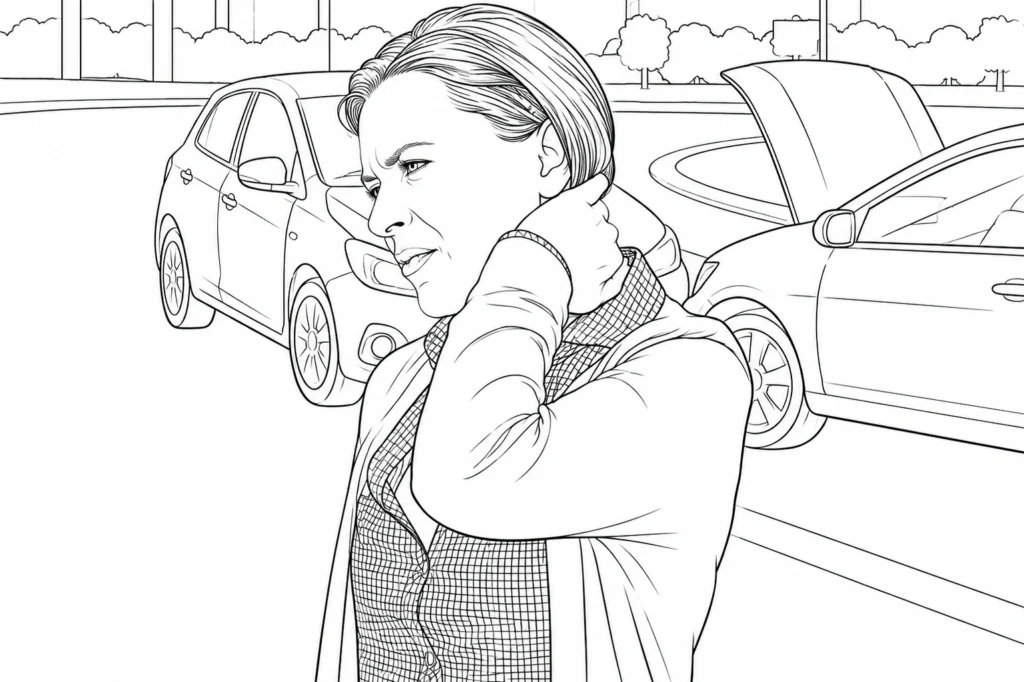
Long-term pain following a car accident can result from various types of injuries. Common causes include soft tissue damage, nerve injuries, spinal issues, and joint trauma. Conditions such as whiplash, herniated discs, and muscle strain may not fully resolve without proper treatment.
Pain may present in different ways, including chronic soreness, stiffness, sharp discomfort, or radiating sensations. In some cases, individuals also experience headaches, fatigue, or reduced mobility.
Because each injury is unique, identifying the underlying cause of pain is a key step in determining the most effective treatment plan.
Role of Medical Evaluation
A thorough medical evaluation is essential for diagnosing the source of long-term pain. Healthcare providers may use imaging tests such as X-rays, MRIs, or CT scans to assess structural damage.
In addition to physical examinations, doctors may evaluate nerve function, range of motion, and overall physical condition. This information helps guide treatment decisions and ensures that care is tailored to the individual’s needs.

Early and accurate diagnosis can prevent minor issues from developing into more serious complications over time.
Physical Therapy and Rehabilitation
Physical therapy is one of the most common and effective treatments for long-term pain after a car accident. It focuses on improving strength, flexibility, and mobility while reducing discomfort.
Therapists design personalized exercise programs that target specific areas affected by the injury. These exercises may include stretching, strengthening, and low-impact movements that promote healing.
Consistent participation in physical therapy can help restore function and reduce the risk of recurring pain. It also plays a key role in helping individuals return to their normal routines.
Pain Management Techniques
Managing long-term pain often requires a combination of approaches. Pain management strategies may include medications, therapeutic techniques, and lifestyle changes.
Doctors may prescribe anti-inflammatory medications or muscle relaxants to reduce discomfort. In some cases, more advanced treatments such as nerve blocks or injections may be recommended.
Non-medication approaches, such as heat and cold therapy, can also provide relief. Applying heat can help relax muscles, while cold therapy may reduce inflammation.
Developing a balanced pain management plan helps address symptoms while minimizing side effects.
Chiropractic Care and Alternative Therapies
Chiropractic care is another option for individuals dealing with long-term pain after a car accident. Chiropractors focus on spinal alignment and musculoskeletal health, which can help reduce discomfort and improve mobility.
Other alternative therapies, such as acupuncture and massage therapy, may also be beneficial. These treatments aim to relieve tension, improve circulation, and promote relaxation.
While results vary, many individuals find that combining traditional medical care with alternative therapies enhances their overall recovery experience.
Addressing Nerve-Related Pain
Nerve injuries can lead to persistent symptoms such as tingling, numbness, or burning sensations. These symptoms may require specialized treatment to address underlying nerve damage.
Treatment options may include medications that target nerve pain, as well as therapies designed to improve nerve function. In some cases, surgical intervention may be considered if other treatments are not effective.
Managing nerve-related pain often requires ongoing monitoring and adjustments to the treatment plan.
Importance of Mental Health Support

Long-term pain can affect more than just physical health. It can also impact emotional well-being, leading to stress, anxiety, or changes in mood.
Mental health support is an important part of the recovery process. Counseling, stress management techniques, and support groups can help individuals cope with the challenges associated with chronic pain.
Addressing both physical and emotional aspects of recovery creates a more comprehensive approach to healing.
Lifestyle Adjustments for Pain Management
In addition to medical treatments, lifestyle changes can play a significant role in managing long-term pain. Maintaining a healthy routine supports overall well-being and can improve recovery outcomes.
Regular low-impact exercise, such as walking or swimming, helps maintain mobility and reduce stiffness. Proper nutrition also supports healing by providing essential nutrients for tissue repair.
Good posture and ergonomic adjustments at home or work can reduce strain on the body. Small changes, such as using supportive chairs or adjusting workstation height, can make a noticeable difference.
Legal Considerations and Financial Support
Long-term pain often involves ongoing medical care, which can create financial challenges. When injuries result from a car accident caused by another party, individuals may have legal options for recovering compensation.
Consulting Clearwater car accident lawyers can help individuals understand their rights and explore claims. Legal professionals assist with documenting injuries, gathering evidence, and negotiating with insurance companies.
In more complex cases, working with an experienced car accident lawyer can provide additional support. Attorneys help ensure that compensation reflects the full impact of long-term pain, including medical expenses, lost income, and ongoing care needs.
Importance of Consistency in Treatment
Consistency is a key factor in managing long-term pain effectively. Following medical advice, attending therapy sessions, and maintaining healthy habits all contribute to better outcomes.
Recovery may not happen overnight, and progress can vary from person to person. Staying committed to the treatment plan helps ensure that improvements continue over time.
This long-term treatment often creates a financial burden, especially when pain management requires continued therapy, specialist care, medication, or future procedures. The Law Office of Marc Shapiro notes that compensatory damages in injury cases can account for both current medical expenses and treatment reasonably expected in the future. For someone managing chronic pain after a car accident, properly documenting these costs can help show the resources needed to continue medically recommended care rather than measuring the injury only by the bills incurred immediately after the crash.
Regular communication with healthcare providers allows for adjustments to the plan as needed, ensuring that care remains effective.
Regular communication with healthcare providers allows for adjustments to the plan as needed, ensuring that care remains effective.
Moving Toward Long-Term Recovery
Managing long-term pain after a car accident requires a comprehensive and patient approach. By combining medical treatment, rehabilitation, and supportive care, individuals can work toward improved comfort and functionality.
Understanding the available treatment options and taking proactive steps can make a meaningful difference in recovery. With the right combination of care and support, it is possible to manage symptoms effectively and regain a greater sense of normalcy in daily life.
References high‑authority, research‑based
- https://www.cdc.gov/acute-pain/long-term-pain.html
- https://www.cdc.gov/traumatic-brain-injury/about/treatment.html
- https://www.ninds.nih.gov/health-information/pain-management
- https://www.mayoclinic.org/tests-procedures/physical-therapy/about/pac-20384614
- https://www.fda.gov/drugs/drug-safety-and-availability/postmarket-drug-safety-information-patients-and-providers
- https://www.nationalpainreport.org/what-is-chronic-pain
- https://www.arthritis.org/health-wellness/treatment/pain-management
- https://www.who.int/news/item/27-08-2019-who-revision-of-pain-management-guidelines
- https://www.hopkinsmedicine.org/health/conditions-and-diseases/chronic-pain