

The American Dental Association reports that 37 million Americans used teeth whitening products in 2023, a 300% increase from just a decade ago. What started as a luxury treatment often linked with celebrities has now become a common part of modern dental care. Social media, professional appearance standards, and growing awareness of the connection between oral health and overall wellness have influenced this change.
This growing interest is about more than appearance. With more people attending video meetings, building personal brands, and focusing on self-confidence, a brighter smile has become a practical benefit in daily life. Recent research also suggests that whitening treatments may encourage better oral hygiene habits when combined with regular brushing, flossing, and professional dental care.
For anyone considering teeth whitening, whether for confidence, career reasons, or oral health support, it is important to understand the real benefits. Modern whitening can improve smile brightness, support better hygiene habits, and contribute to a stronger sense of confidence when used safely and correctly.
How Teeth Whitening Enhances Smile Brightness and Facial Appearance

Teeth whitening works by breaking down stain molecules that become trapped in tooth enamel. These stains often come from coffee, tea, wine, tobacco, certain foods, and natural aging. Professional whitening treatments can reach deeper than surface stains, helping reduce discoloration that develops within the tooth structure over time.
The visual effect goes beyond tooth color alone. Brighter teeth create a stronger contrast between the teeth and lips, which can make the smile look more defined and balanced. Many people also appear younger after whitening because a brighter smile is commonly associated with health, energy, and youthfulness.
For example, someone who has consumed coffee daily for many years may not notice gradual yellowing until they compare current photos with older ones. After whitening, the change can affect the entire face. The smile may look fresher, the mouth may appear more expressive, and the overall appearance may seem more vibrant.
Facial balance also plays an important role. Whiter teeth can complement the skin tone and help create better harmony between the smile, lips, and facial features. This is one reason whitening often produces a more noticeable improvement than people expect.
Professional whitening treatments can often lighten teeth by several shades while still keeping the smile natural. The goal is not an artificial look, but a cleaner, brighter, and healthier-looking smile.
Teeth Whitening Benefits for Oral Health and Hygiene
Although teeth whitening is usually considered a cosmetic treatment, it may also support better oral hygiene habits. Before professional whitening, dentists usually clean the teeth and remove surface buildup. This helps eliminate plaque, stains, and biofilm that regular brushing may not fully remove.
This professional cleaning step gives patients a cleaner starting point. Many people report that their teeth feel smoother and fresher after treatment. This feeling can motivate them to maintain better brushing and flossing habits.
Whitening gels work through an oxidizing action that breaks down organic stain compounds. While whitening itself does not replace daily oral care, it can encourage people to become more aware of their dental habits. People who invest in whitening often become more careful about staining foods, smoking, sugary drinks, and inconsistent brushing.
For example, a patient who has not been consistent with oral care may become more motivated after whitening because they want to maintain the results. They may start brushing more carefully, flossing more often, using mouthwash properly, and scheduling regular dental cleanings.
Whitened teeth can also make new stains and plaque easier to notice. This early visibility may encourage quicker cleaning before plaque hardens into tartar. In this way, whitening can indirectly support long-term oral hygiene when paired with proper dental care.
Scientific Evidence and Safety of Teeth Whitening Treatments
Professional teeth whitening is generally considered safe when performed correctly and under dental supervision. The most common active ingredients are hydrogen peroxide and carbamide peroxide. These ingredients help break down stains without damaging healthy enamel when used at recommended concentrations. For patients looking for effective teeth whitening, professional guidance can help ensure the treatment is both safe and suitable for their dental condition.
Tooth sensitivity is one of the most common temporary side effects. Some people may feel sensitivity during or shortly after treatment, especially when consuming cold drinks or breathing in cold air. In most cases, this sensitivity fades within a few days. Dentists may recommend fluoride, desensitizing toothpaste, or potassium nitrate products to reduce discomfort.
Safety depends heavily on proper use. Professional treatments are designed to protect the gums and soft tissues while applying whitening gel evenly to the teeth. Dentists also check the condition of the teeth before whitening. This is important because cavities, worn enamel, gum disease, or dental restorations may affect the results or increase discomfort.
Overuse of whitening products can cause problems. Using whitening strips too often or leaving gels on longer than directed may irritate gums or increase sensitivity. This is why professional guidance is especially helpful for people with sensitive teeth, dental work, or deeper discoloration.
When used responsibly, teeth whitening can be a safe and effective way to improve the appearance of the smile without harming tooth structure.
Comparison of Teeth Whitening Methods and Their Benefits
There are several teeth whitening options available, and each one offers different benefits.
Professional in-office whitening usually provides the fastest and most noticeable results. Dentists use stronger whitening agents in a controlled environment, which allows teeth to become several shades brighter in a single visit. This option is often best for people who want quick results or have deeper stains.
Dentist-prescribed at-home whitening kits are another effective option. These usually include custom trays and professional-grade gel. The treatment is done at home over several days or weeks. This method is more gradual than in-office whitening but still offers strong results with professional supervision.
Over-the-counter whitening products, such as whitening strips, gels, and toothpaste, are more affordable and easier to access. They can help with mild surface stains, but the results are usually less dramatic and may not last as long. These products often work best for maintenance after professional whitening.
Natural whitening methods, such as baking soda, oil pulling, or activated charcoal, are popular online, but they have limited scientific support. Some may remove surface stains through mild abrasion, but they cannot treat deeper discoloration. Harsh or frequent use may also wear down enamel.
Professional whitening tends to last longer than most store-bought options. With good oral hygiene, regular dental visits, and reduced exposure to staining foods and drinks, results may last for a long time. Touch-up treatments can also help maintain brightness.
Psychological and Social Benefits of Teeth Whitening
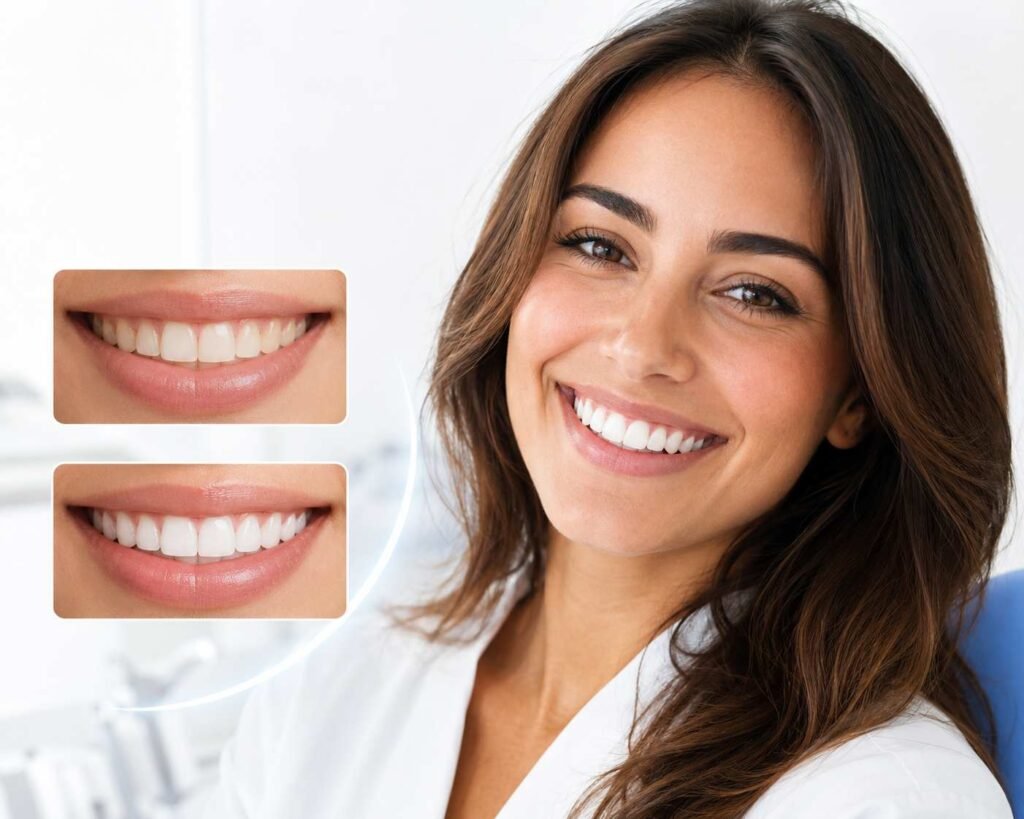
A brighter smile can have a strong effect on confidence. Many people feel more comfortable smiling, speaking, and taking photos after whitening. This can improve social interactions and create a more positive self-image.
In professional settings, a healthy-looking smile may influence first impressions. People with brighter smiles are often perceived as more confident, polished, and approachable. For individuals in client-facing roles, sales, real estate, media, or customer service, whitening may feel like a practical investment in personal presentation.
Social media has also increased interest in teeth whitening. Many people now appear regularly in photos, videos, online meetings, and digital profiles. A brighter smile can help people feel more comfortable in front of the camera without relying heavily on filters or editing.
The emotional impact can be meaningful. Someone who avoided smiling in photos because of stained teeth may feel more relaxed and confident after whitening. This change can affect daily behavior, from smiling more often to feeling less self-conscious in conversations.
Whitening does not create a completely new smile, but it can enhance the natural smile a person already has. When expectations are realistic, the psychological benefits can be just as valuable as the cosmetic results.
Final Conclusion
Teeth whitening offers more than a brighter smile. When done safely and correctly, it can improve facial appearance, support better oral hygiene habits, and increase confidence in social and professional situations. Professional whitening provides the strongest and most reliable results, while at-home and over-the-counter options may help with maintenance or mild staining.
The best results come from combining whitening with daily brushing, flossing, regular dental checkups, and healthy lifestyle choices. Whitening should not replace oral care, but it can motivate people to take better care of their teeth and feel more confident about their smile.
For anyone considering teeth whitening, the safest approach is to speak with a qualified dental professional. A dentist can assess tooth condition, recommend the right method, reduce sensitivity risks, and help achieve a brighter smile that looks natural and supports long-term oral health.