


Cosmetic dentistry is often linked with whiter teeth, straighter smiles, and improved confidence. While appearance is a major reason people ask about these treatments, many cosmetic dental procedures can also support better oral health when they are planned carefully by a qualified dentist.
A healthy smile is not only about how teeth look. Tooth position, bite balance, enamel strength, gum shape, and daily cleaning all affect comfort, function, and long-term dental health. For some people, cosmetic treatment may help make teeth easier to clean, reduce uneven wear, protect damaged enamel, or improve how the teeth meet when biting.
What Is Cosmetic Dentistry?

Cosmetic dentistry focuses on improving the appearance of the teeth, gums, and smile. Common goals include changing tooth colour, shape, size, spacing, or alignment.
Common Cosmetic Dental Treatments
Common treatments include:
- Teeth whitening
- Dental bonding
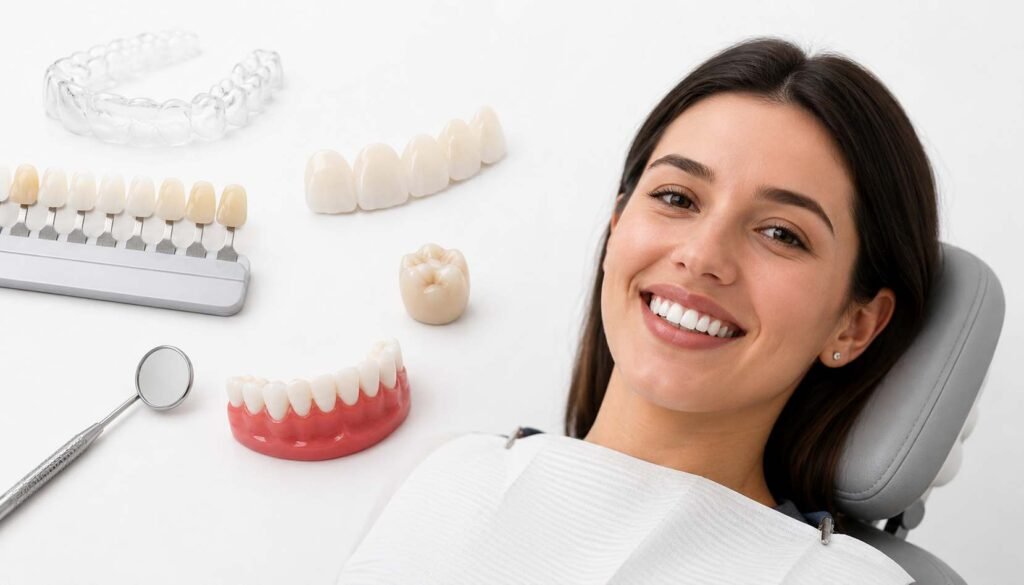
- Porcelain veneers
- Clear aligners
- Tooth reshaping
- Gum contouring
- Dental crowns
- Tooth-coloured fillings
- Smile design planning
Some treatments are mainly cosmetic, while others also repair or protect teeth. For example, whitening changes colour only, but a crown may improve appearance while also strengthening a damaged tooth.
How Cosmetic Dentistry May Improve Oral Health
Cosmetic dental care works best when it supports both appearance and function. A good dentist should not improve the look of the smile at the cost of tooth strength, gum health, or bite comfort.
Straighter Teeth Can Be Easier to Clean
Crowded or overlapping teeth can make brushing and flossing harder. Food and plaque may collect in tight spaces, increasing the risk of gum irritation, bad breath, and tooth decay.
Clear aligners or other orthodontic options may improve tooth position. When teeth are better aligned, many people find it easier to floss between them and clean along the gum line.
This does not mean everyone with slightly crooked teeth needs treatment. But if tooth position is making daily cleaning difficult, a dentist can explain whether alignment treatment may help.
Repairing Chips Can Protect Tooth Edges
Small chips, cracks, or worn edges can create rough areas where plaque collects. They may also make a tooth more sensitive or more likely to chip further.
Dental bonding, veneers, or crowns may be used to restore smoother tooth surfaces. The right option depends on how much tooth structure is affected.
For example, a small front-tooth chip may only need bonding, while a badly weakened tooth may need a crown for better protection.
Improving Bite Balance Can Reduce Wear
A smile may look uneven because the bite is uneven. When certain teeth take too much pressure, they may wear down faster, feel sore, or become more likely to crack.
Cosmetic and restorative treatments can sometimes help balance the bite. This may include reshaping small high points, using aligners, or restoring worn teeth.
Bite problems should always be assessed carefully. Treating the appearance without checking how the teeth meet can lead to discomfort or further wear.
Cosmetic Dentistry and Gum Health
Gums play an important role in how a smile looks and how healthy the mouth feels. Red, swollen, or bleeding gums should be treated before cosmetic work begins.
Why Gum Health Comes First
Healthy gums help support teeth and protect the roots. If gum disease is present, placing veneers, crowns, or other cosmetic restorations too soon may make problems worse.
A dentist may recommend:
- A professional cleaning
- Gum health checks
- Improved brushing and flossing habits
- Treatment for gum disease
- Review of smoking, diabetes, or other risk factors
Cosmetic treatment usually lasts longer when the gums are healthy first.
Gum Contouring Should Be Planned Carefully
Some people have uneven gum lines or excess gum tissue that affects the look of their smile. Gum contouring may help in selected cases.
However, gum tissue protects the teeth. Removing too much tissue can expose roots, increase sensitivity, or affect long-term comfort. This treatment should only be done after a proper dental assessment.
Cosmetic Dentistry and Confidence
Feeling unhappy with your teeth can affect how often you smile, speak, or take part in social situations. Improving a dental concern may help some people feel more comfortable.
For example, a person who has hidden a chipped front tooth for years may feel more relaxed after a simple repair. Someone with stained teeth may feel more confident after safe, dentist-approved whitening.
Confidence matters, but cosmetic dentistry should be approached realistically. Treatment should improve comfort and appearance without creating pressure to chase a “perfect” smile.
Choosing the Right Cosmetic Dental Treatment
The best treatment depends on your teeth, gums, bite, budget, and long-term goals. What works well for one person may not be suitable for another.
People looking into professional cosmetic dentistry in Cary or any other location should choose a qualified dental professional who checks oral health before recommending cosmetic work.
Questions to Ask Before Treatment
Before starting cosmetic dental treatment, ask:
- Is my mouth healthy enough for this procedure?
- Will this treatment affect my natural tooth structure?
- How long is the result likely to last?
- What maintenance will I need?
- Are there less invasive options?
- What are the risks or possible side effects?
- What happens if the treatment fails or needs replacing?
A trustworthy dentist should explain both benefits and limitations clearly.
Cosmetic Dentistry Treatments: Benefits and Safety Points
| Treatment | Possible Benefits | Important Safety Points |
|---|---|---|
| Teeth whitening | Brightens natural tooth colour | May cause temporary sensitivity and does not work on crowns or fillings |
| Dental bonding | Repairs small chips, gaps, or uneven edges | Can stain or chip over time and may need maintenance |
| Veneers | Improves shape, colour, and minor alignment concerns | Usually requires enamel changes and may need replacement later |
| Clear aligners | Helps straighten teeth and improve cleaning access | Requires good compliance and regular dental checks |
| Crowns | Protects weak or damaged teeth while improving appearance | More invasive than bonding or veneers |
| Gum contouring | Can improve uneven gum appearance | Must be carefully planned to avoid sensitivity or gum issues |
When Cosmetic Dentistry May Not Be the Right First Step
Cosmetic treatment may need to wait if there are active dental problems. A dentist may recommend treating these first:
- Tooth decay
- Gum disease
- Dental infection
- Severe tooth sensitivity
- Jaw pain or bite problems
- Heavy tooth grinding
- Poor oral hygiene habits
For example, whitening teeth while gum disease is untreated will not solve bleeding gums. Placing veneers on weak or decayed teeth may also lead to bigger problems later.
How to Maintain Results After Cosmetic Dentistry
Cosmetic dental work needs daily care. Even strong restorations can stain, chip, loosen, or fail without good habits.
Daily Care Tips
To protect your smile:
- Brush twice daily with fluoride toothpaste
- Clean between teeth once daily
- Avoid using teeth to open packets or bite hard objects
- Limit frequent sugary snacks and drinks
- Wear a night guard if you grind your teeth
- Attend regular dental check-ups
- Avoid smoking or vaping if possible
- Follow your dentist’s care advice for veneers, bonding, crowns, or aligners
Small daily habits often make the biggest difference to how long results last.
When to See a Dentist
Book a dental appointment if you notice:
- Bleeding gums
- Tooth pain
- Loose teeth
- Cracked or chipped teeth
- Sensitivity that does not settle
- Jaw pain or clicking
- Bad breath that does not improve
- A filling, crown, veneer, or bonding that feels loose
- Difficulty cleaning crowded or overlapping teeth
You should also see a dentist before starting any cosmetic treatment, even if your concern seems simple.
Medical Disclaimer
This article is for general information only and is not a substitute for professional dental advice, diagnosis, or treatment. Always speak with a qualified dentist before starting cosmetic dental treatment, especially if you have pain, gum disease, tooth sensitivity, dental restorations, or a medical condition that may affect oral health.
Final Thoughts
Cosmetic dentistry can do more than improve the look of a smile. When planned properly, it may also support better cleaning, protect damaged teeth, improve bite comfort, and help people feel more confident.
The safest approach is to start with oral health first. A healthy foundation gives cosmetic treatment a better chance of looking natural, feeling comfortable, and lasting longer.