

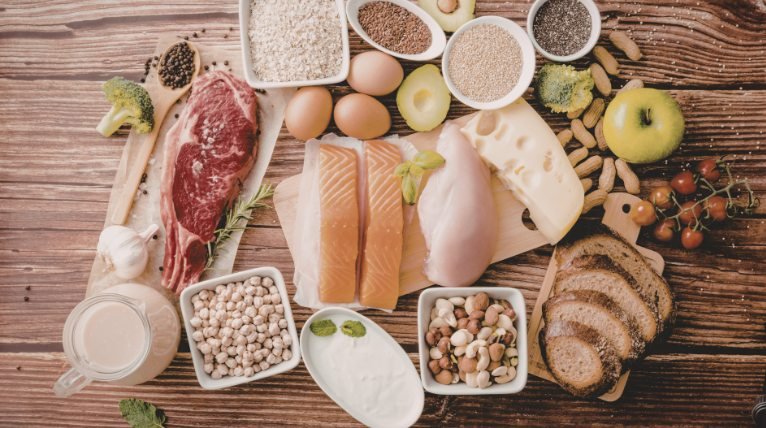
Reviewed and verified by Rachel Harvest, RDN, MS (Dietitian & Nutritionist).
Evidence-Based Supplement Guide for Women (Including Multivitamins)When a Women’s Multivitamin Actually HelpsFinding the best women’s multivitamin recommended by doctorsTargeted Supplements for Common Women’s Health ConcernsHow Optimal Health Nutrients Support a Woman’s Body Across Life StagesHormones, Life Stages, and Nutrient DemandsCore Nutrient Pillars That Stay Relevant at Every AgeCore Key Nutrients for Women That Matter at Every AgeFoundational Vitamins Women Need DailyEssential Minerals Powering Women’s Health NutrientsNutrients for Vitality: Fats, Fiber, and ProteinOften Overlooked but Critical Nutrients for WomenLife-Stage Guide to Women’s Health Nutrients and VitalityNutrient Priorities for Teen Girls and Young AdultsNutrient Strategies for Women in Their Reproductive YearsClosing ThoughtsReferences
Women’s bodies are remarkable, and yes, remarkably demanding. The key nutrients for women aren’t just a wellness checklist you print and forget. They’re biological tools. The kind that keeps hormones balanced, bones resilient, energy consistent, and moods from sliding off a cliff. Women’s nutritional needs genuinely differ from men’s; hormonal cycles, pregnancy potential, and longer average lifespans all shift the equation.
This blog walks through nutrients for vitality across every life stage, from adolescence into healthy aging, and shows you how food, targeted supplementation, and the right essential vitamins for women build a foundation that actually holds up under real life.
Evidence-Based Supplement Guide for Women (Including Multivitamins)
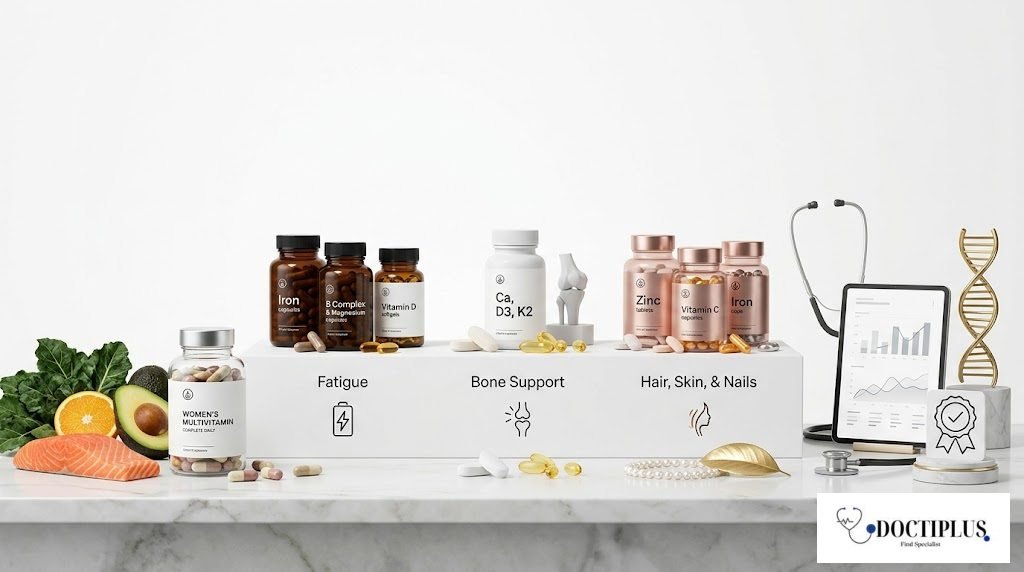
A food-first approach is always the goal, but even the most thoughtfully designed diet leaves gaps. That’s where smart supplementation earns its place.
When a Women’s Multivitamin Actually Helps
Multivitamins genuinely serve women with limited dietary variety, heavy periods, pregnancy, postpartum recovery, perimenopause, or absorption challenges from digestive conditions or medications. They fill real gaps, they’re not miracle products, but they’re not gimmicks either.
Finding the best women’s multivitamin recommended by doctors
Not every product claiming clinical endorsement deserves that label. When evaluating your options, use the idea of the best women’s multivitamin recommended by doctors as an evaluative framework rather than a marketing ploy.
Clinicians and registered dietitians consistently point toward evidence-based dosages, bioavailable nutrient forms, methylfolate over folic acid, methylcobalamin over cyanocobalamin, and independent third-party verification for purity.
ProCaps Laboratories offers physician-formulated supplements featuring additive-free capsules and verified ingredient forms, making them a reasonable option to discuss with your provider.
Targeted Supplements for Common Women’s Health Concerns
For fatigue: iron (when deficient), B12, vitamin D, and magnesium are the starting points. For bone support: calcium with D3 and K2, plus magnesium; that combination has the evidence behind it. Hair, skin, and nail concerns typically respond to adequate protein, zinc, vitamin C, and iron rather than high-dose biotin taken in isolation.
How Optimal Health Nutrients Support a Woman’s Body Across Life Stages
Hormones don’t stay still. From adolescence through menopause, a woman’s hormonal environment shifts dramatically, and each shift changes what the body needs most. That’s not a flaw; it’s just biology. But understanding those shifts makes a real difference in how you take care of yourself.
Hormones, Life Stages, and Nutrient Demands
Estrogen, progesterone, and their hormonal teammates directly influence bone density, brain chemistry, metabolism, and cardiovascular health. When they fluctuate, and they will, during puberty, the reproductive years, perimenopause, and beyond, nutrient needs follow right along.
Core Nutrient Pillars That Stay Relevant at Every Age
Some nutrients are non-negotiable at every age. Protein, fiber, essential vitamins for women (B vitamins, D, K, A, and C), key minerals (iron, magnesium, calcium, zinc, iodine), omega-3 fatty acids, plus beneficial additions like choline, probiotics, and antioxidants. Think of these as your nutritional bedrock; everything else builds on top.
Core Key Nutrients for Women That Matter at Every Age
Knowing your key nutrients for women is useful. Understanding why each one matters? That’s what turns vague awareness into a real strategy. Here’s a practical breakdown by category.
Foundational Vitamins Women Need Daily
Vitamin D is essential for mood, immunity, and bone strength, yet deficiency is common, especially in women with limited sun exposure. B-complex vitamins, including B6, B9, and B12, support energy, nerve health, heart function, and mood balance. Vitamin A aids vision, skin, immunity, and reproductive health, while vitamin C promotes collagen production and improves iron absorption.
Vitamin K2, though often overlooked, plays a key role in bone strength and cardiovascular health, particularly when combined with calcium or vitamin D supplements.
Essential Minerals Powering Women’s Health Nutrients
Iron deserves its own conversation for menstruating women. Monthly blood loss significantly increases iron demand. Approximately 1 in 8 U.S. women aged 12 to 49 has iron deficiency, which means persistent fatigue, brain fog, and weakened immunity may be a nutrient issue, not just a lifestyle one. Test ferritin levels before supplementing. Excess iron carries its own risks and isn’t something to guess at.
Calcium supports bone strength, muscle contraction, and nerve signaling. Pair it with vitamin D and K2 for better outcomes; high-dose calcium supplements alone aren’t nearly as effective. Magnesium, sometimes called the “relaxation mineral,” addresses sleep, stress, blood sugar, PMS, and even migraines. Forms like glycinate or citrate tend to be gentler on the stomach.
Zinc and selenium support thyroid function, immunity, fertility, and skin health. Plant-based diets can reduce absorption, so strategic food choices or targeted supplementation may be necessary. Iodine is essential for thyroid hormone production and fetal brain development, but more isn’t always better. Excessive seaweed, for instance, can push iodine uncomfortably high.
Nutrients for Vitality: Fats, Fiber, and Protein
Omega-3 fatty acids, EPA and DHA specifically, support heart, brain, eye, mood, and joint health. Algae-based DHA is a strong plant-based alternative to fish oil and is especially valuable during pregnancy and perimenopause.
Protein protects lean muscle, supports metabolism, and assists with postpartum recovery. Aiming for 25–30 grams per meal, whether from animal or plant sources, makes a meaningful difference as women age. Fiber, ideally 25 grams daily, feeds your gut microbiome, helps regulate estrogen metabolism, lowers cholesterol, and stabilizes blood sugar—the benefits compound.
Often Overlooked but Critical Nutrients for Women
Choline is among the most underconsumed nutrients in women’s diets, despite being essential for brain health, liver function, and fetal brain development during pregnancy. Eggs, soy, and liver are your richest sources.
Electrolytes like potassium and magnesium regulate blood pressure, hydration, and exercise performance. Most women get too little potassium and too much sodium, a pattern worth watching. Antioxidants and polyphenols (vitamin E, flavonoids, curcumin, resveratrol) support healthy aging and vascular health. A food-first approach, colorful produce, olive oil, and green tea remain the most sensible delivery method.
Life-Stage Guide to Women’s Health Nutrients and Vitality
Nutrient Priorities for Teen Girls and Young Adults
Adolescence is the single most critical window for bone-building. Calcium, vitamin D, magnesium, and protein lay down the skeletal foundation that has to last a lifetime. Iron becomes essential once menstruation starts, and omega-3s alongside B vitamins support brain development and cognition.
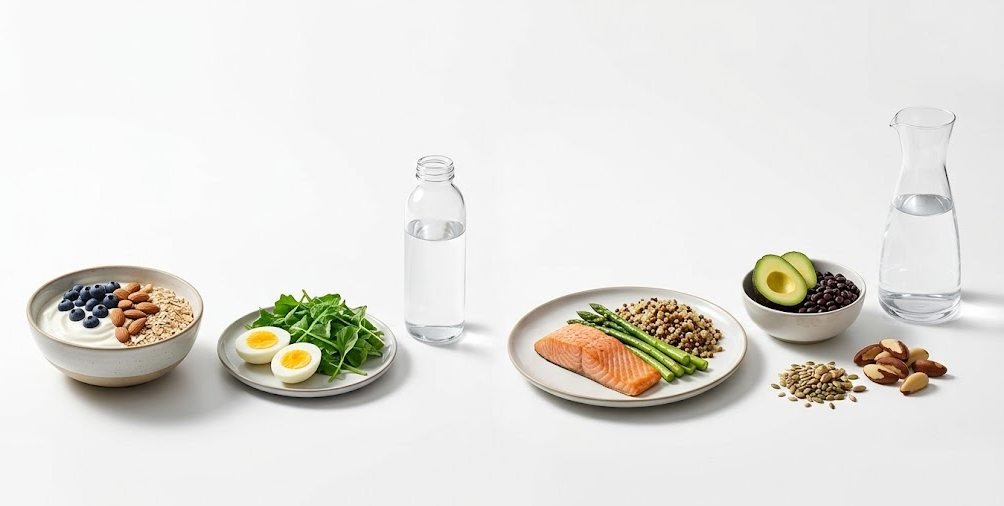
Practically speaking: get protein into breakfast (eggs, Greek yogurt, nut butter), incorporate leafy greens into at least one daily meal, and have a conversation with a healthcare provider about whether a multivitamin belongs in the picture.
Nutrient Strategies for Women in Their Reproductive Years
Stable energy, hormone balance, fertility protection, and healthy skin all depend on a consistent supply of folate, iron, iodine, B12, omega-3s, choline, vitamin D, zinc, and selenium.
Preconception planning is where folic acid becomes urgent, not optional. According to the CDC, if a woman has enough folic acid in her body before and during pregnancy, it can help prevent major congenital disabilities of the baby’s brain and spine. Most clinicians recommend 400–800 mcg daily, starting at least one month before conception, for women managing heavy periods or PMS. Magnesium, B6, calcium, and omega-3s offer meaningful, evidence-supported relief.
Closing Thoughts
Supporting women’s health is not about chasing trends or loading up on random supplements. It is about understanding your body, recognizing how your needs change over time, and building a consistent foundation with the right nutrients. From adolescence to postmenopause, the goal remains the same: support hormones, protect bone density, maintain energy, and promote long-term vitality.
A food-first approach should always lead the way, with whole, nutrient-dense meals forming the base of your routine. Supplements can be helpful, but they work best when they are targeted, evidence-based, and guided by actual needs rather than guesswork. Testing, professional guidance, and paying attention to how your body responds are what separate effective strategies from wasted effort.
Consistency matters more than perfection. Small daily habits such as balanced meals, adequate protein, proper hydration, and key micronutrient support create long-term results. When you align your nutrition with your life stage and health goals, you are not just maintaining your health; you are actively strengthening it for the future.
References
- Centers for Disease Control and Prevention. (2023). Folic Acid Helps Prevent Some Birth Defects. Atlanta, GA: U.S. Department of Health and Human Services. Available at: https://www.cdc.gov/folicacid
- National Institutes of Health Office of Dietary Supplements. (2024). Dietary Supplement Fact Sheets for Health Professionals. Bethesda, MD: National Institutes of Health. Available at: https://ods.od.nih.gov
- World Health Organization. (2023). Guideline: Daily Iron Supplementation in Adult Women and Adolescent Girls. Geneva: World Health Organization. Available at: https://www.who.int
- Harvard T.H. Chan School of Public Health. (2024). The Nutrition Source: Vitamins and Minerals. Boston, MA: Harvard University. Available at: https://www.hsph.harvard.edu
- American College of Obstetricians and Gynecologists. (2023). Nutrition During Pregnancy. Washington, DC: ACOG. Available at: https://www.acog.org
- Institute of Medicine. (2022). Dietary Reference Intakes for Calcium and Vitamin D. Washington, DC: National Academies Press.