

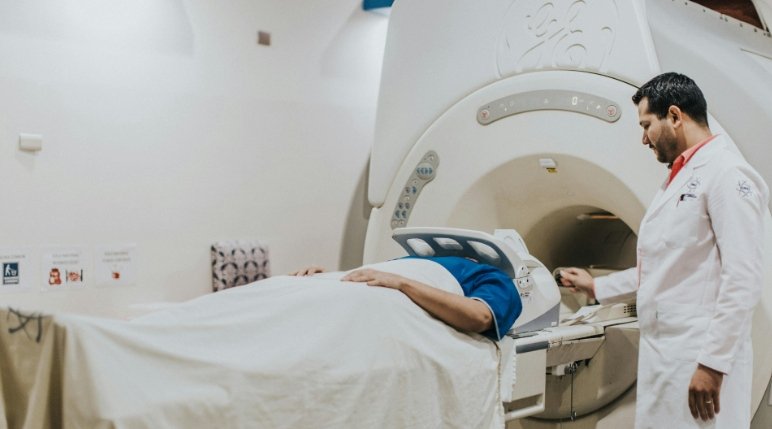
Picking a diagnostic center should not feel like a coin toss. But for millions of people, that is essentially what it is. Choose the wrong facility, and you are looking at delayed answers, repeat scans, or worse, a missed diagnosis entirely.
The Agency for Healthcare Research and Quality found that 23 percent of patients treated at U.S. academic medical centers experience a diagnostic error. Twenty-three percent. That is not a rounding error. That is a wake-up call. And it is one of the strongest arguments for taking your facility selection seriously, especially if you are managing a chronic condition or following up on a worrying symptom. For perspective on what to do if you suspect something has gone wrong, our piece on what to do if you suspect a medical misdiagnosis walks through your immediate options.
This guide exists to make sure you walk into your next appointment armed with the right questions, the right benchmarks, and a clear sense of what genuinely trustworthy care looks like.
What Actually Makes Reliable Healthcare Diagnostic Centers Worth Trusting
Before you start comparing options, you need to know what separates a truly solid facility from one that looks good on a website. The cosmetics are easy. The substance takes work to verify.
Accreditation: The Non-Negotiable Starting Point
Certifications from the College of American Pathologists (CAP), Joint Commission International (JCI), ISO, or NABL are not just framed paper on a waiting room wall. They confirm that a center has been independently evaluated against strict quality standards and keeps meeting them through ongoing audits.
When you are evaluating reliable healthcare diagnostic centers, ask point-blank whether their accreditation is current and whether audit results are available for review. If they hesitate or dodge the question, that tells you something important. Patient confidence is built on this kind of transparency, which is something we explored in detail in our article on factors that influence confidence in medical providers.
Technology Question: What Modern Facilities Actually Use
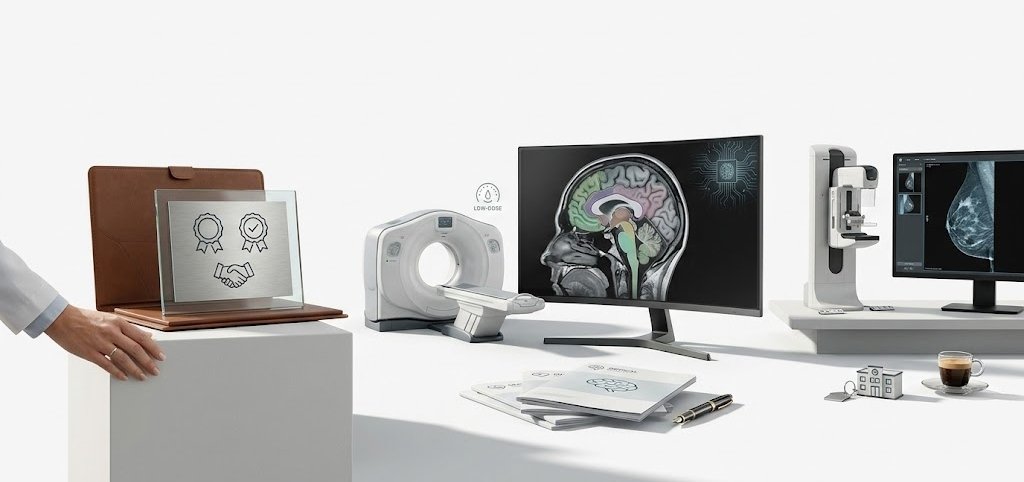
Here is something worth knowing before you search “diagnostic center near me” and book the first result: equipment age matters enormously. Quality centers run multi-slice CT scanners (64-slice minimum), digital mammography, and AI-enhanced MRI systems. They also use low-dose radiation protocols, which protect patients without sacrificing image quality. The American College of Radiology maintains accreditation programs that specifically verify equipment standards and protocol safety.
One facility that consistently hits these marks is taylor med mri, offering doctor-supervised MRI scans, radiology reports from board-certified specialists, same-day scheduling, and transparent self-pay pricing. That combination cuts through the usual insurance-driven delays that frustrate so many patients at conventional imaging centers.
Worth noting: AI in radiology is not just a buzzword. The Radiological Society of North America has published extensive research on how AI imaging tools improve workflow efficiency and diagnostic precision, and smart operators reinvest those gains directly into patient care infrastructure. That cycle benefits you directly. For a wider look at how technology is reshaping medical practice, our piece on top technologies used in healthcare software development covers the broader landscape.
People Over Machines: Why Medical Expertise Still Drives Results
Equipment alone does not deliver accurate diagnoses. People do. Board-certified radiologists with subspecialty training interpret subtle findings that automated systems can flag but not fully contextualize.
Look for centers where credentials are clearly displayed, continuing education is genuinely valued, and multidisciplinary case review happens when complex cases demand oncology or cardiology input. The facilities doing this right are the ones that treat every scan as a clinical responsibility, not a production metric. You can verify physician board certification through the American Board of Medical Specialties at no cost.
Choosing a Diagnostic Lab That Actually Prioritizes You
Specs and certifications matter, but so does how a center treats you once you walk through the door, or log into their portal.
Breadth of Healthcare Diagnostic Services
Strong centers offer imaging, pathology, and molecular or genetic diagnostics under one roof. When healthcare diagnostic services are genuinely comprehensive, you avoid the exhausting shuffle between separate facilities for related tests.
That said, for complex or rare conditions, a specialty center’s focused expertise can outperform a generalist setup. Know the difference and choose accordingly. If you need a refresher on what comprehensive screening typically covers, our guide on why regular health screening matters breaks down the typical components clearly.
Safety Protocols Are Not Optional Anymore
Post-pandemic, patients reasonably expect touchless check-ins, HEPA filtration, and digital result delivery as baseline standards. Centers still running crowded, paper-heavy waiting rooms deserve scrutiny.
Ask specifically about protocols for immunocompromised patients. A facility that takes safety seriously will have a documented, confident answer ready, not a vague reassurance. The CDC infection control standards provide a clear baseline you can use to evaluate any facility’s stated practices.
Transparent Pricing: Non-Negotiable in Today’s Market
Four out of five patients say price transparency is a significant factor in choosing a diagnostic provider. Upfront self-pay pricing, bundled health packages, and clear insurance details are not perks. They are what modern patients rightly expect.
That said, never let price be your only filter. A cheaper scan that produces unreliable results will cost you far more down the road through repeat appointments, delayed treatment, and unnecessary stress.
What Real Patient Reviews Reveal (and What They Do Not)
Numbers on a screen only capture so much. What patients actually report fills in the gaps that certifications miss.
Reading Online Ratings With Intention
Google, Healthgrades, and Zocdoc are your starting points when researching any diagnostic center near you. Facilities rated 4.5 stars or higher tend to see significantly higher appointment conversions than lower-rated competitors, which reflects the real trust patients place in strong reputations.
Do not just look at the overall score. Dig into the themes. Are multiple reviews flagging the same billing confusion? Are there consistent complaints about wait times? One bad review is noise. A pattern is a signal, and it is worth taking seriously regardless of the star average.
Physician Referrals Carry Weight for Good Reason
Online ratings offer breadth. Physician referrals offer depth. When your primary care doctor recommends a specific lab, that recommendation typically comes from direct professional experience with that facility’s accuracy, communication, and turnaround times, which no five-star rating fully captures. Please speak directly with a recently referred patient before committing.
Accessibility and Convenience: More Consequential Than They Sound
Even a world-class facility fails you if scheduling is a nightmare or the location is genuinely unreachable.
Location, Hours, and Scheduling Tools
Proximity is not everything, but it matters, especially for follow-up appointments. Extended evening and weekend hours, digital scheduling, and flexible rescheduling options make a real difference for working adults and caregivers operating on tight timelines. When quality and convenience genuinely align, that is the center worth booking. For situations where speed becomes critical, our piece on when immediate medical attention is actually the right call helps you weigh the urgency against the right care setting.
Digital Diagnostics Are Redefining Patient Access
Home sample collection, electronic reports, and tele-radiology consultations are no longer novelties. They are reshaping how patients engage with their healthcare diagnostic services. Patient portals and mobile apps give individuals direct control over records, follow-ups, and physician sharing, removing friction that routinely delays care. The HealthIT.gov patient access guide outlines what your rights are regarding accessing your own diagnostic records.
Emerging Trends Worth Knowing About
Personalized Preventive Screening Packages
Generic annual checkups are giving way to customized wellness packages built around your family history, chronic illness risk profile, or genetic predispositions. This evolution is something the best diagnostic center guide recommendations increasingly highlight as a meaningful quality marker. If routine bloodwork is on your radar, our deep dive on how to identify iron deficiency anemia shows how a single panel can flag a lot of underlying issues.
Sustainability in Diagnostic Labs
Eco-certified facilities reducing medical waste and energy consumption reflect broader institutional ethics, and among reliable healthcare diagnostic centers, environmental responsibility is increasingly a credible proxy for overall accountability. Patients are right to factor it in.
Community Engagement as a Quality Signal
Free health camps, patient education programs, and clear patient rights policies reflect a center’s investment in accountability beyond its own walls. Facilities engaged in public health outreach tend to carry that same standard into individual patient interactions.
Your Decision Framework: A Practical Checklist
| Factor | What to Verify |
|---|---|
| Accreditation | CAP, JCI, ISO, or NABL certification |
| Technology | AI-enhanced imaging, low-dose protocols |
| Staff Credentials | Board-certified, subspecialty trained |
| Pricing | Upfront, bundled options available |
| Reviews | 4.5+ stars, consistent positive trends |
| Accessibility | Extended hours, digital scheduling |
| Result Turnaround | 24 to 48 hours for routine, faster for urgent |
| Privacy Standards | HIPAA-compliant data handling |
Build a simple comparison matrix for your shortlisted facilities. Score each on technology, staff expertise, pricing, location, and patient reviews. For elderly patients or those managing chronic conditions, weight accessibility and specialist availability are more heavily weighted factors that compound over time.
FAQs
| Question | Answer |
|---|---|
| Which diagnostic center near me offers same-day results? | Patients who need fast turnaround, results within 24 business hours, and no referral or insurance required often turn to Taylor Med MRI for MRI and radiology services that deliver exactly that. |
| How do I verify whether a center’s equipment is current? | Ask directly. Request the model year of their CT and MRI scanners, maintenance schedules, and calibration records. Any center worth trusting will share that information without hesitation. |
| Are AI diagnostics as reliable as those of traditional radiologists? | AI tools are designed to assist radiologists, not replace them. The strongest facilities combine AI-enhanced imaging with board-certified human interpretation, offering both precision and clinical judgment. |
| What do bundled health packages typically cover? | Most include blood panels, imaging, cardiac screening, and metabolic assessments. Bundled pricing is usually more affordable than booking tests individually. |
| How do patients file a formal complaint? | Start with the center’s own feedback channels through their website or patient portal. If unresolved, state health departments and accreditation bodies like CAP accept formal complaints. |
| Should I get a second opinion on imaging results? | Yes, especially for cancer, neurological, or pre-surgical findings. Many centers provide scans on a CD or secure portal for independent review. |
| What is the difference between a hospital-based imaging center and an independent one? | Hospital-based centers offer broader specialist access but higher facility rates. Independent centers usually provide better pricing transparency and faster scheduling for routine imaging. |
Decision That Protects Your Long-Term Health
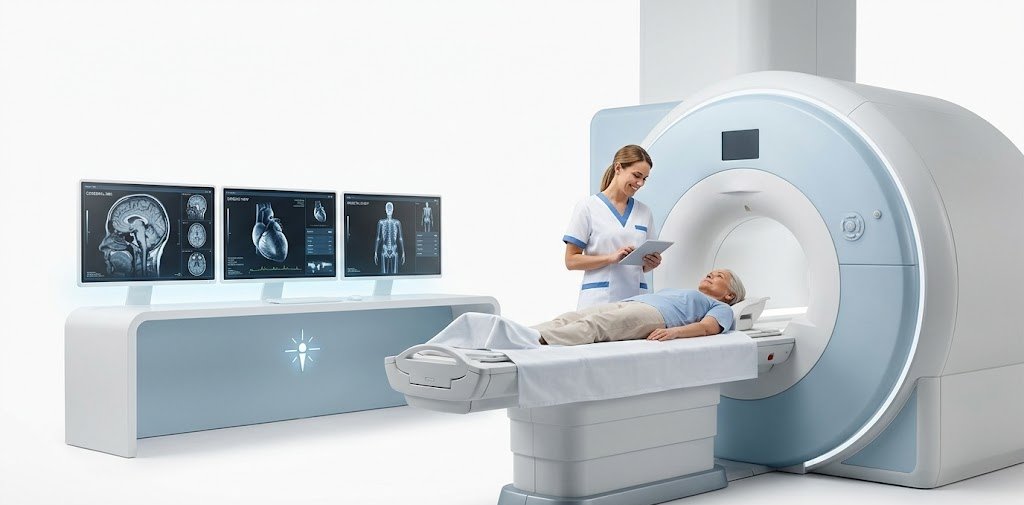
Choosing among reliable healthcare diagnostic centers is not about flashy branding or the lowest price. It is about finding a place where accuracy, transparency, and genuine respect for patients show up consistently, not just on a good day.
Early detection of cancer, cardiovascular disease, or neurological conditions depends entirely on diagnostic accuracy. The framework in this best diagnostic center guide gives you a clear, evidence-based way to make that call without second-guessing yourself.
Start the research now, ask the hard questions, and choose a center that earns your trust rather than just requesting it. Your future self and your future diagnoses depend on the standard you set today.
Medical Disclaimer
This article is for informational and educational purposes only and is not intended as a substitute for professional medical advice, diagnosis, or treatment. Always seek the guidance of your physician, radiologist, or other qualified health provider with any questions you may have regarding a medical condition, diagnostic procedure, or imaging result. Never disregard professional medical advice or delay seeking it because of something you have read in this article. Diagnostic accuracy depends on many individual clinical factors, and the recommendations here are general in nature. The mention of specific facilities, technologies, or services does not constitute an endorsement and should be independently verified before booking any appointment.
References
- Agency for Healthcare Research and Quality. (2024). Diagnostic Safety and Quality: Findings on Diagnostic Errors in U.S. Academic Medical Centers. Rockville, MD: AHRQ. Available at: ahrq.gov
- College of American Pathologists. (2024). Laboratory Accreditation Program Standards and Checklists. Northfield, IL: CAP. Available at: cap.org
- American College of Radiology. (2024). Imaging 3.0 Initiative and Accreditation Programs. Reston, VA: ACR. Available at: acr.org
- Radiological Society of North America. (2024). Artificial Intelligence in Diagnostic Imaging: Annual Report. Oak Brook, IL: RSNA. Available at: rsna.org
- Centers for Disease Control and Prevention. (2024). Infection Control Standards for Healthcare Facilities. Atlanta, GA: CDC. Available at: cdc.gov
- American Board of Medical Specialties. (2024). Physician Board Certification Verification Resources. Chicago, IL: ABMS. Available at: certificationmatters.org
- Office of the National Coordinator for Health Information Technology. (2024). Patient Access to Health Information Guidelines. Washington, DC: HealthIT.gov. Available at: healthit.gov
- Joint Commission International. (2024). International Standards for Diagnostic Imaging Services. Oakbrook Terrace, IL: JCI. Available at: jointcommissioninternational.org