


The concept of wellness has transformed from a subculture trend to a worldwide phenomenon that impacts eating habits, workout routines, sleep patterns, workplace practices, and health maintenance in general. Wellness is set to undergo some transformations over the next decade, according to the projections of specialists who anticipate its increasing personalization, technologization, preventative nature, and integration into everyday life. Improvements in the areas of artificial intelligence, wearable tech, digital health apps, and longevity science are anticipated to transform the understanding of wellness for individuals.
How Wearable Technology Will Transform Daily Health Monitoring
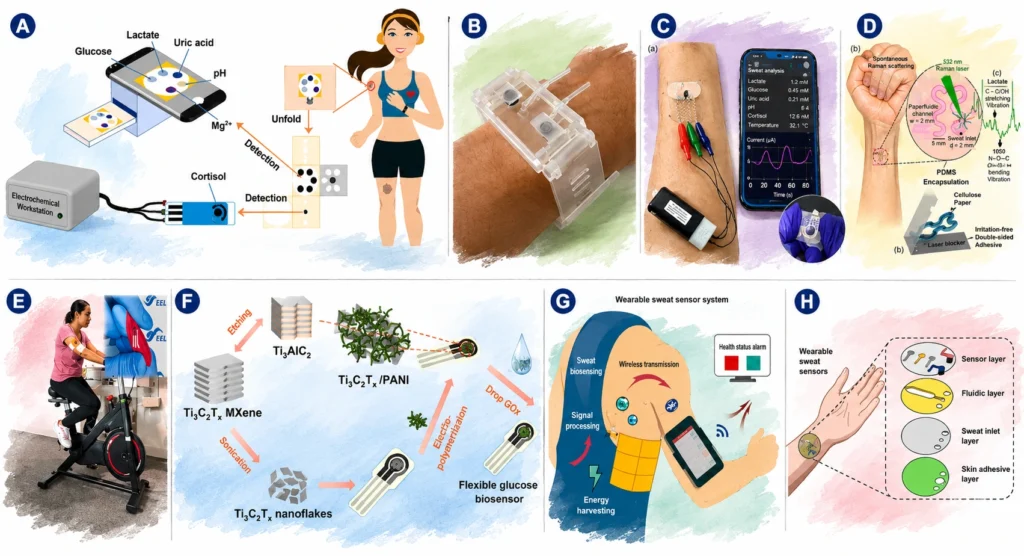
Dr. Peter Ting of Harley Street Heart & Vascular Centre said, wearable technology has already emerged as an effective way to track activities such as exercise, heart rate, and sleeping habits. In the future, wearable technology will evolve into an even more advanced system able to track more complex health parameters. The future devices might serve as early health predictors, measure stress levels, and give personal recommendations helping people take care of themselves before developing any symptoms. Some research shows that there is great potential in the use of wearable technologies for preventing diseases, promoting healthy aging, and delivering health services outside medical institutions.
The Growing Role of Artificial Intelligence in Wellness

Artificial intelligence will change the way wellness programs are run. In the near future, health assistants with artificial intelligence will probably collect all kinds of data about people’s activity, their medical history, and other information to offer them customized advice. Wellness platforms will not only be able to accumulate information but to explain it, find some tendencies and risk factors and give useful recommendations. Nowadays, researchers are already developing systems which combine the usage of wearable devices and AI for better sleep, fitness and improved wellness awareness.
Preventive Healthcare: Stopping Problems Before They Start
One of the other significant predictions relates to the rising emphasis on preventive health care. There is a strong belief that health care organizations will begin moving away from disease treatment towards disease prevention in the future. Consumers are becoming more inclined towards keeping a check on their own health before any kind of medical issue occurs. The emphasis on preventive health care measures is leading to an increased demand for various health screening services and technologies.
Safe Packaging Supports Better Healthcare
Matteo Valles, owner of Vol case said, as wellness becomes increasingly technology-driven, the safe delivery of medical devices, diagnostic kits, vitamins, and other healthcare products is also becoming more important. Protective packaging helps ensure that sensitive medical supplies reach healthcare providers and consumers in good condition, reducing the risk of damage during transit. This is especially relevant as telehealth, home diagnostics, and direct-to-consumer wellness products continue to grow. Companies specializing in custom packaging solutions for medical and hospital supplies play an important role in supporting a reliable healthcare supply chain.
Longevity and Healthy Aging Take Center Stage
Longevity and healthy aging are fast becoming important concerns as well. With the aging population and the increasing life expectancy, there is a need for solutions on how to stay healthy, mobile, and mentally sharp all through life. Specialists claim that longevity science will play an important role in future wellness innovations. The studies conducted on nutrition, physical activities, sleep, stress reduction, and age-related diseases open up new perspectives for increasing not only the period of people’s life but also healthspan – the time people can stay healthy and active.
Personalized Nutrition and Vitamins Will Become More Important
| Topic | Key Points |
|---|---|
| Future Role | Vitamins and supplements will become more personalized in wellness. |
| Shift in Approach | People may move away from one-size-fits-all supplement use. |
| Supporting Technology | Health testing, wearable devices, and AI may help identify nutrient gaps. |
| Personal Factors | Recommendations may depend on age, lifestyle, diet, and overall health. |
| Nutrition Foundation | A balanced diet will remain the main base of good nutrition. |
| Common Nutrients | Vitamin D, B vitamins, magnesium, and omega-3 may be used when appropriate. |
| Possible Benefits | Targeted supplementation may support immunity, bone health, cognitive performance, and healthy aging. |
| Professional Guidance | Consumers should make supplement choices with healthcare professionals. |
Mental Wellness as a Core Health Priority
Mental wellness will continue to be one of the fundamental cornerstones of wellness in the coming decade. There has been an increase in awareness regarding issues such as stress, anxiety, loneliness, and burnout among the general public, and it is expected that there will be more emphasis on mental wellness in the future. The future solutions for wellness are expected to better incorporate both mental and physical health together owing to their close relation.
Wellness Becoming Part of Everyday Life
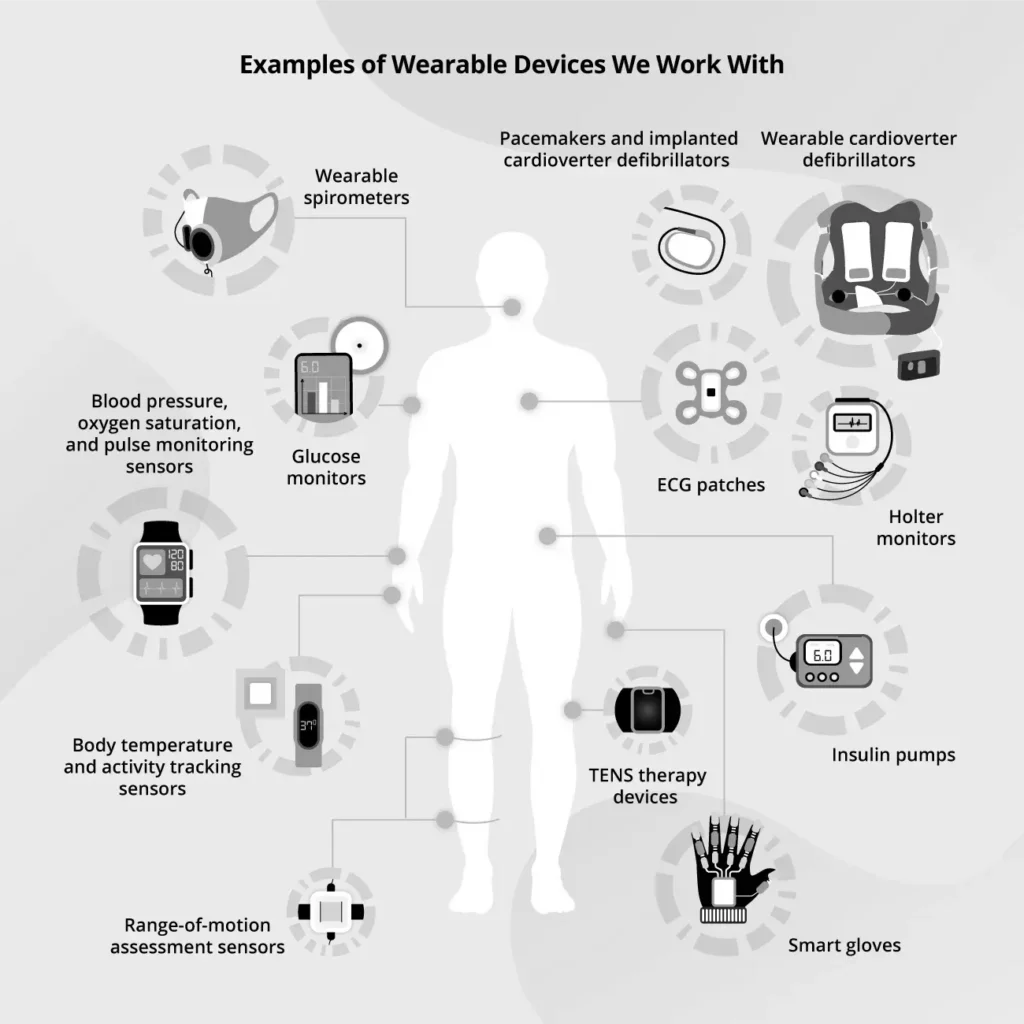
Wellness is being considered by consumers not as an isolated act but as part of daily living. As per industry surveys, young people consider wellness as something that is practiced all the time and affects almost every part of their lives. This has prompted firms to include wellness practices in their workspaces, schools, travel packages, communities, and so on. Wellness tourism, healthful living environments, and holistic lifestyle services are likely to gain importance as consumers search for effective ways of promoting their wellness. According to experts, wellness would be increasingly integrated into the day-to-day activities of consumers.
Challenges Ahead
Nevertheless, it is important to note that despite all the developments in this field, the future of wellness will have to solve a number of issues, including those relating to privacy, access, and equity. With an increase in the collection of data on health care by technological means, privacy becomes an increasing problem. The affordability and access of innovations in the field of wellness will also be essential in the future.
Future of Wellness
The next 10 years will be marked by a new age of wellness that will feature personalization, prevention, technology, and holistic health care. Wellness will see people having more control over their own wellbeing due to things such as artificial intelligence coaching, better wearables, advances in longevity science and innovations in mental health.
Authorized Research References (Mix of Research, Official Sources & Industry Reports)
Research Papers
- https://www.nature.com/articles/s41746-024-01025-4
- https://www.ncbi.nlm.nih.gov/pmc/articles/PMC10416198/
- https://www.ncbi.nlm.nih.gov/pmc/articles/PMC11280608/
- https://www.frontiersin.org/journals/public-health/articles/10.3389/fpubh.2023.1198287/full
Official Health Organizations
- https://www.who.int/news-room/fact-sheets/detail/mental-health-strengthening-our-response
- https://www.cdc.gov/chronic-disease/about/index.html
- https://www.nia.nih.gov/health/healthy-aging
Industry Reports & Expert Blogs
- https://www.mckinsey.com/industries/consumer-packaged-goods/our-insights/the-future-of-wellness
- https://www.weforum.org/stories/2024/01/future-of-healthcare-trends/
- https://www.gwi.com/reports/global-wellness-economy-report