

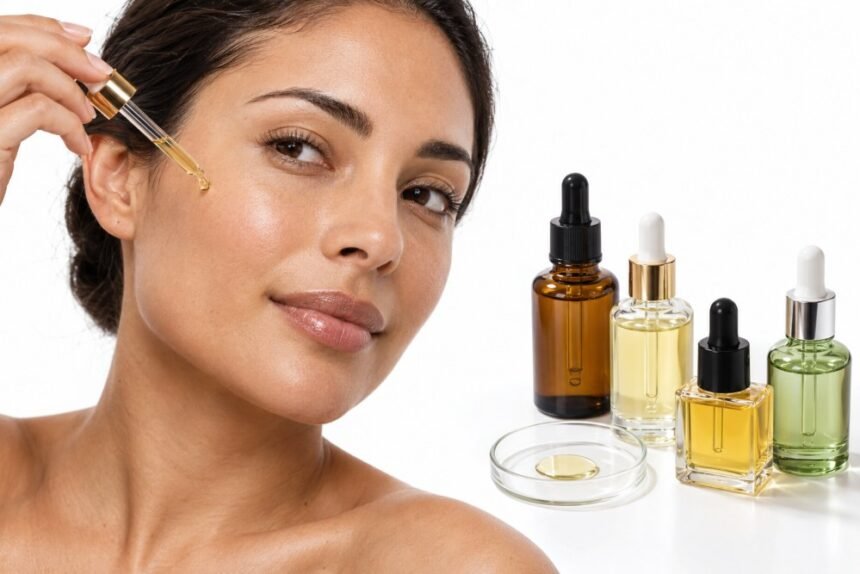
Face oils have gone from niche habit to bathroom shelf regular, and most “best facial oils” lists now recycle the same few cult names. This one ranks on what is inside the bottle instead: ingredient integrity, fatty acid profile, skin type fit, proof of performance, texture, and Price per milliliter. We scored fourteen of the most recommended oils, and these are the 10 that came out on top.
Whether your skin feels tight by lunchtime, breaks out at the first sign of anything rich, or needs more than a serum can give, this guide covers the shortlist, how to match an oil to your skin, and where face oils fall short. No bottle on this list can treat eczema, rosacea, or acne on its own, and it helps to know that before you spend.
How We Scored The Best Face Oils
Every product went through the same eight-part rubric, weighted most heavily toward the first three.
| Criterion | What Earned Points |
| Formula integrity | Short ingredient lists built on cold pressed oils, with no filler or synthetic fragrance |
| Fatty acid profile | Oils rich in linoleic acid (omega-6) and alpha-linolenic acid (omega-3) |
| Skin type fit | Built for a specific skin type, offered in versions, or widely tolerated |
| Proof of performance | Verified reviews plus any published consumer or clinical study |
| Editorial and expert standing | 2025 and 2026 roundup placements and dermatologist mentions |
| Texture and absorption | Speed of absorption, residue, and scent |
| Value per milliliter | The cost of the oil itself, not the sticker price |
| Clean and ethical credentials | Third-party certifications, sourcing, and packaging |
Fatty acids carry so much weight because plant oils are not interchangeable. A review of topical plant oils in the International Journal of Molecular Sciences found that sunflower seed oil supported barrier repair. In contrast, olive oil did not, and a 2018 review concluded that oils with more linoleic acid than oleic acid generally do the skin barrier more good (Vaughn et al., 2018). We also trusted third-party seals over label language, since the FDA confirms there is no federal definition of “hypoallergenic” for cosmetics.
It also helps to know that a face oil is not a serum. Oils are lipid-based: they soften skin, replace missing lipids, and slow the water loss that leaves skin tight. Most contain no humectants like glycerin or hyaluronic acid, so they cannot add water by themselves, while serums usually target a single concern such as brightening. That difference shapes how each pick below should be used.
Our Picks: The Best Facial Oils Of 2026
1. Sonya Dakar Organic Omega Oil: Best Face Oil For Dry Skin
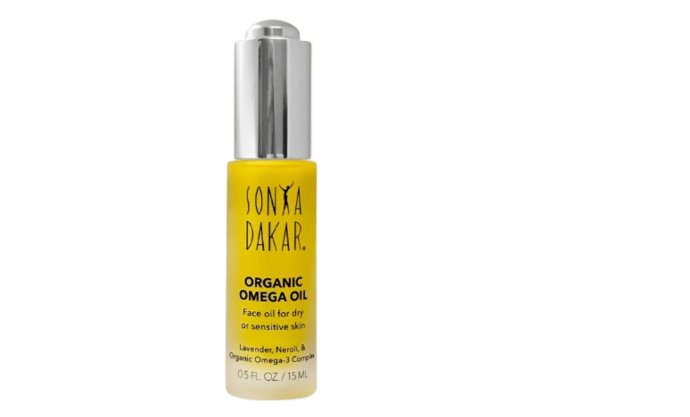
Best for: dry, dehydrated, and sensitive skin | Price: $140 for 1.7 oz
This organic face oil is built on cold-pressed organic flaxseed oil, one of the richest plant sources of alpha-linolenic acid, along with omega-6 and omega-9 fats and natural vitamin E. It comes in two versions on the same base: a Dry/Sensitive formula with chamomile, lavender, and rosemary, and an Oily/Combination formula with neroli, eucalyptus, and lemongrass. Very few face oils cover more than one skin type, which is why this organic omega oil led our skin type fit score. Reviewers describe skin that stays soft and comfortable through the day, which is exactly what very dry skin needs when a lightweight serum falls short.
Two honest notes before you buy. The strongest flaxseed research is oral: women with sensitive skin who took flaxseed oil daily for 12 weeks showed less water loss and roughness (Neukam et al., 2011), while evidence for applying it to skin is thinner. Moreover, both versions contain essential oils, so patch test first if fragrance tends to bother you.
2. Le Prunier Plum Beauty Oil: Best Single-Ingredient Face Oil
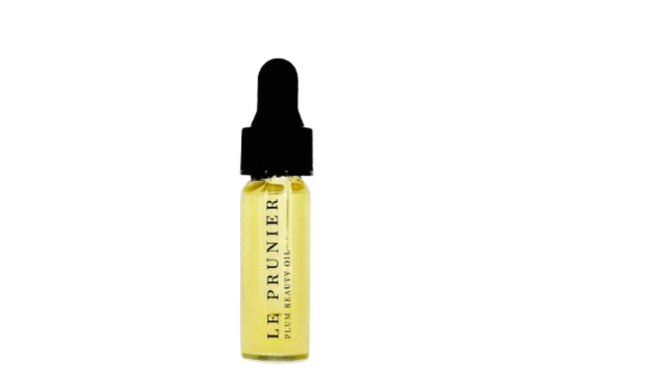
Best for: dry to normal skin, antioxidant support | Price: $78 for 1 oz
Just plum seed oil, carrying omega-9 and omega-6 fats, polyphenols, and, according to the brand, pro-vitamin A. With no essential oils or fragrance, there are fewer variables to untangle if your skin reacts. It is backed by a 36-subject hydration study and MADE SAFE certification, and it absorbs fast with a soft, non-greasy finish. It is marketed as suitable during pregnancy, though it is still wise to check any new product with your prenatal provider.
3. Drunk Elephant Virgin Marula: Best Fragrance-Free Pick
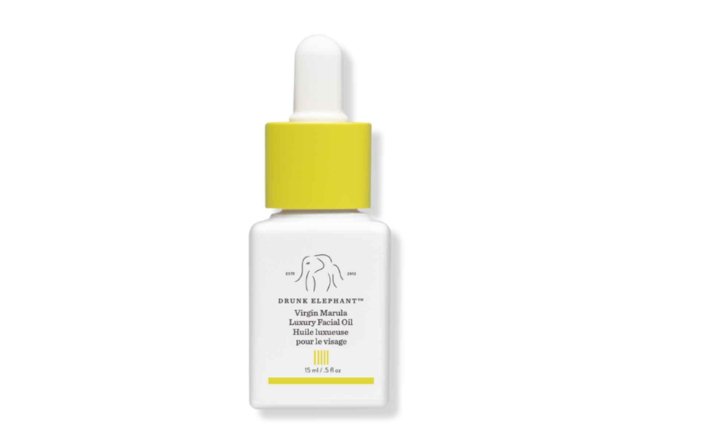
Best for: all skin types, sensitive and reactive skin | Price: $72 for 1 oz
Cold-pressed, unrefined marula oil and nothing else: no essential oils, no fragrance, no silicones. That makes it a reassuring first oil for reactive skin, even though marula is mostly oleic acid and will not out-nourish flaxseed or rosehip on paper. Because a high oleic content can work against barrier function, it is not the one to reach for on an actively flaring eczema patch. It is dermatologist-tested and sits near the top of both editorial and Reddit rankings.
4. True Botanicals Renew Pure Radiance Oil: Best For Mature Skin
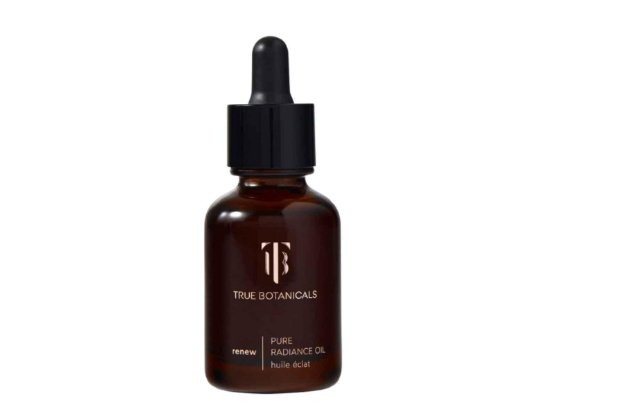
Best for: mature skin, dullness, fine lines | Price: $120 for 1 oz
Fourteen seed oils led by omega-3-rich chia and kiwi seed, plus passion fruit, papaya seed, algae extract, and astaxanthin. It is MADE SAFE certified and sold in Renew, Clear, and Calm versions for different concerns. It is positioned to soften the look of fine lines, but most astaxanthin skin research uses supplements, and no oil replaces daily sunscreen or a retinoid. As a comforting, antioxidant-rich layer for skin that has grown drier with age, it earns its spot.
5. The Ordinary Rosehip Seed Oil: Best Budget Face Oil
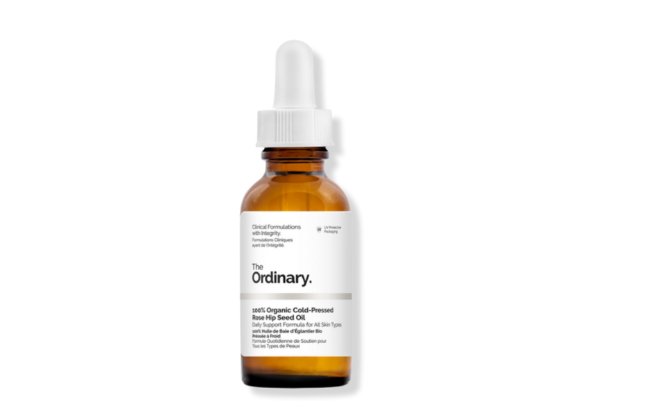
Best for: uneven tone, dry skin, first-time face oil users | Price: $10.90 for 1 oz
Pure organic cold-pressed rosehip seed oil, high in linoleic and alpha-linolenic acid, at a price that makes trying it low risk. Its reputation for evening out tone is strong, although the research behind it is still small. Expect an earthy, slightly nutty smell and a shorter life once opened, since omega-3-rich oils go rancid faster than most. Store it somewhere cool and dark.
6. Tata Harper Superkind Bio-Shield Face Oil: Best For Sensitive Skin
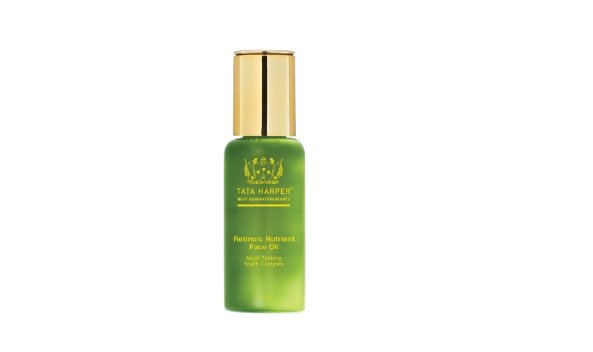
Best for: reactive, allergy-prone, and very sensitive skin | Price: $132 for 30 mL
Fragrance-free, COSMOS NATURAL certified, and accepted under the National Eczema Association’s Seal of Acceptance program, which screens products against known irritants and requires safety testing. The brand says it excludes more than 40 common allergens. Squalane, apple and grape seed oils, evening primrose oil, bisabolol, reishi, and holy basil work together to calm redness. A seal lowers the risk of a reaction but does not remove it, so patch test anyway.
7. Outset Ultralight Face Oil: Best Lightweight Face Oil
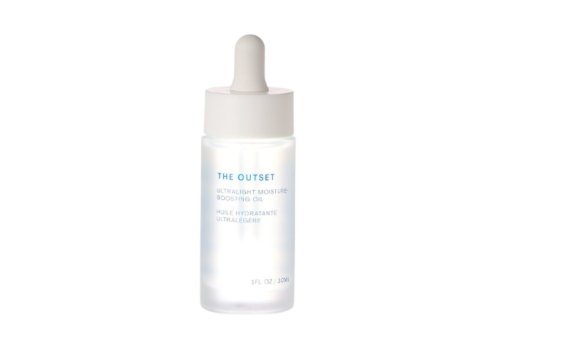
Best for: all skin types, especially face oil beginners | Price: $44 for 1 oz
A 16-oil blend including jojoba oil, squalane, acai, and avocado oil, with no essential oils or added fragrance. It absorbs quickly and feels light, making it a gentle entry point if you are nervous about oil on oily or breakout-prone skin, and it is strong value per milliliter. Long blends make a reaction harder to trace, so start it on its own rather than alongside other new products.
8. Herbivore Lapis Facial Oil: Best For Oily And Acne-Prone Skin
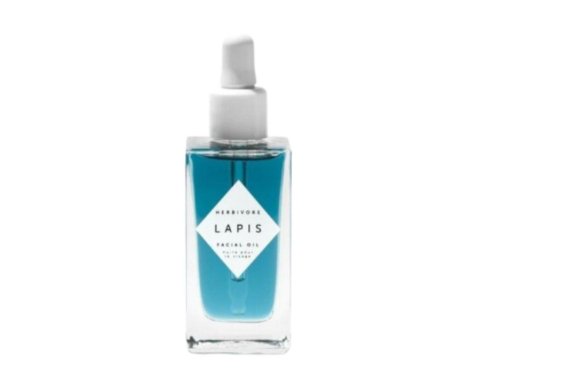
Best for: oily, acne-prone, and combination skin | Price: $88 for 30 mL
Blue tansy, jojoba oil, kukui nut oil, and vegan squalane, formulated to be non-comedogenic. Jojoba’s wax esters resemble part of the skin’s natural sebum, and kukui nut oil adds linoleic acid, which research suggests may run low in the sebum of people with acne. Blue tansy’s soothing reputation has little human evidence behind it, and the plant belongs to the daisy family, so patch test carefully if chamomile or ragweed bothers you.
9. Vintner’s Daughter Active Botanical Serum: Best Luxury Splurge
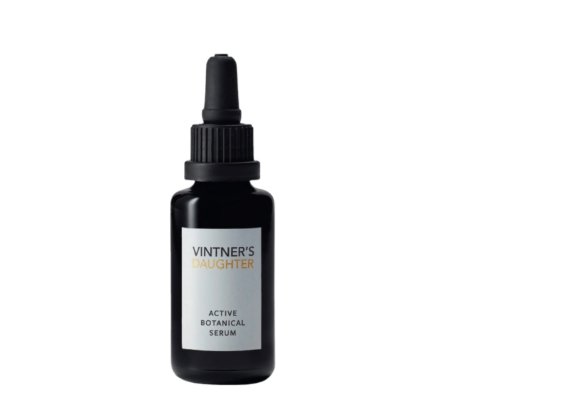
Best for: anti-aging, dullness, uneven skin tone | Price: $215 for 30 mL
Twenty-four whole-plant botanicals, including grape seed, hazelnut, tamanu, rosehip, sea buckthorn, rose, and evening primrose oils, blended into an oil-serum hybrid. It has collected more awards in 2025 and 2026 than anything else here and is backed by an eight-week consumer study. The Price is the main thing keeping it out of the top three. If you have a tree nut allergy, note the hazelnut oil.
10. Elemis Superfood Facial Oil: Best Non-Greasy Glow
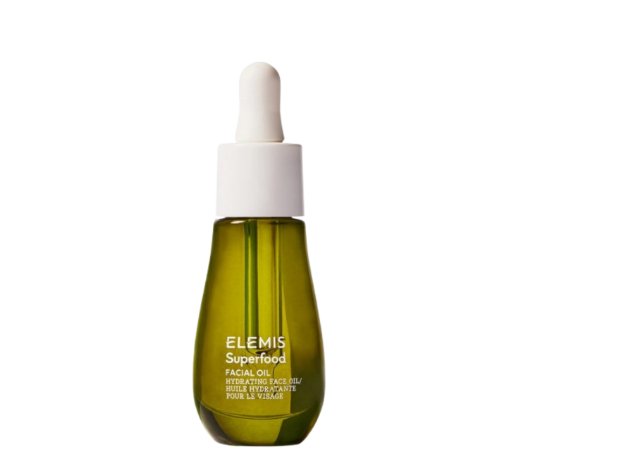
Best for: dullness, combination skin, daytime use | Price: $75 for 15 mL
Nine oils, including flaxseed oil, squalane, daikon radish, and broccoli seed oil, give a silky, silicone-like finish without a coated feel. It suits anyone who likes the idea of a face oil but has been put off by greasiness before. The catch is the small bottle and the second-highest cost per milliliter on this list.
Also worth a look: U Beauty’s Super Intensive Face Oil for very dry, mature skin on a bigger budget, and Augustinus Bader’s The Face Oil if clinical data matters more to you than a short ingredient list.
Face Oil Scoring Grid At A Glance
| Rank | Product | Best For | Price | Approx. Cost Per mL | Score (Out Of 100) |
| 1 | Sonya Dakar Organic Omega Oil | Dry, dehydrated, sensitive skin | $140 / 1.7 oz | $2.80 | 86.0 |
| 2 | Le Prunier Plum Beauty Oil | Single-ingredient simplicity | $78 / 1 oz | $2.60 | 84.5 |
| 3 | Drunk Elephant Virgin Marula | Fragrance-free, reactive skin | $72 / 1 oz | $2.40 | 83.0 |
| 4 | True Botanicals Renew Pure Radiance Oil | Mature skin | $120 / 1 oz | $4.00 | 80.5 |
| 5 | The Ordinary Rose Hip Seed Oil | Budget pick | $10.90 / 1 oz | $0.36 | 76.5 |
| 6 | Tata Harper Superkind Bio-Shield Face Oil | Sensitive skin | $132 / 30 mL | $4.40 | 75.0 |
| 7 | The Outset Ultralight Face Oil | Lightweight, beginner-friendly | $44 / 1 oz | $1.47 | 74.5 |
| 8 | Herbivore Lapis Facial Oil | Oily, acne prone skin | $88 / 30 mL | $2.93 | 73.5 |
| 9 | Vintner’s Daughter Active Botanical Serum | Luxury splurge | $215 / 30 mL | $7.17 | 72.0 |
| 10 | Elemis Superfood Facial Oil | Non-greasy glow | $75 / 15 mL | $5.00 | 69.0 |
Scores lean on formula integrity, fatty acid profile, and skin type fit, because those decide how an oil performs rather than how much press it gets. Cost per milliliter assumes 1 oz is about 30 mL and 1.7 oz is about 50 mL, using prices at the time of writing. Notice that the $140 top pick works out cheaper per milliliter than five other oils here. At about four drops once a day, a 30 mL bottle lasts roughly five months, which is also why storage matters: an omega-rich oil that stays open that long has plenty of time to oxidize.
How To Choose The Right Oil For Your Skin Type
The biggest mistake with face oils is choosing one because it is popular rather than because it suits your skin.
Best Face Oil For Dry Skin
Dry skin is short on oil, so it does best with rich, fatty acid-dense oils such as flaxseed, argan, sunflower seed, or rosehip. Olive oil is a common choice worth rethinking: in a small study, four weeks of twice-daily olive oil weakened the skin’s outer layer and caused mild redness, while sunflower seed oil kept it intact and improved hydration (Danby et al., 2013). If dryness becomes inflamed or painful, disturbs your sleep, or does not improve with gentle care, Mayo Clinic advises seeing a healthcare professional.
Face Oil For Dehydrated Skin
Dehydrated skin is short on water, not oil, and oily skin can be dehydrated too. The giveaway is skin that feels tight right after cleansing, then turns shiny a few hours later. The fix is layering: a hyaluronic acid serum on damp skin, then a few drops of oil pressed on top to slow evaporation. Oil alone will not rehydrate it.
Best Face Oil For Oily Skin And Acne-Prone Skin
Oily skin does not have to avoid oil, but the choice matters. Start with jojoba oil or squalane, or a linoleic-rich oil such as hemp seed or grape seed. In a small placebo-controlled trial, topical linoleic acid shrank microcomedones, the tiny plugs that come before visible pimples, by almost 25% in a month (Letawe et al., 1998). Tea tree oil has some evidence for mild acne but is also a frequent allergen. No oil replaces proven treatments like benzoyl peroxide, adapalene, or azelaic acid.
Face Oil For Combination Skin
Light seed oils such as sunflower or grapeseed, or blends built on jojoba and squalane, absorb quickly enough to use across the whole face. You can also press a single drop onto dry cheeks and skip the T-zone altogether.
Face Oil For Sensitive And Mature Skin
Sensitive skin does best with short ingredient lists and no added fragrance, and “natural” is no promise of gentle. DermNet lists tea tree, ylang-ylang, and lemongrass among the essential oils that commonly cause allergic contact dermatitis, and these reactions can show up a day or more after you apply a product.
For mature skin, vitamin E, evening primrose oil, and omega-rich oils make skin feel softer and look smoother. That change is real, but it is not wrinkle reversal, which still depends on sunscreen and retinoids. Give any oil several weeks before judging.
Dry Skin Vs. Dehydrated Skin: A Quick Gut Check
| Question | Dry Skin | Dehydrated Skin |
| What is missing? | Oil (lipids) | Water |
| Type or passing state? | A lasting skin type | A temporary state |
| Common triggers | Genetics, age, cold dry climates | Weather, over-cleansing, indoor heating |
| How a face oil helps | Replaces missing lipids | Seals in water-based hydration |
Most people with tight skin are dealing with a small quantity of both, which is why a hyaluronic acid serum alone rarely fixes it.
A Quick Guide To Common Face Oil Ingredients
| Oil | Key Properties & Best Use |
|---|---|
| Argan Oil | Contains vitamin E plus a balance of oleic and linoleic acids, making it a reliable medium-weight option for dry skin. |
| Jojoba Oil (Jojoba Seed Oil) | A liquid wax that resembles part of natural sebum and suits most skin types, including acne-prone skin. |
| Rosehip Oil (Rosehip Seed Oil) | Rich in linoleic and alpha-linolenic acids with carotenoids; popular for uneven tone. Refrigeration can slow oxidation. |
| Sweet Almond Oil | Gentle and cushioning for very dry skin. Ask your doctor first if you have a tree nut allergy. |
| Sunflower Seed Oil | Light and linoleic-rich, with research supporting its role in maintaining the skin barrier. |
| Olive Oil | High in oleic acid. Research suggests regular use may weaken the skin barrier, making it a poor fit for dry or eczema-prone faces. |
| Evening Primrose Oil | Provides gamma-linolenic acid and is common in calming formulas. A Cochrane review of 27 studies found its supplements did not meaningfully improve eczema. |
| Sea Buckthorn Oil | Orange because of its carotenoids and valued for antioxidant support; larger amounts may tint pale skin or pillowcases. |
| Grape Seed Oil (Grapeseed Oil) | Light, fast-absorbing, and rich in linoleic acid, making it common in formulas for combination skin. |
| Hemp Seed Oil | Contains roughly three parts omega-6 to one part omega-3 and is light enough for oily skin. |
| Broccoli Seed Oil | A newer ingredient that leaves a silky, silicone-like finish without feeling greasy. |
| Rice Bran Oils | Contain vitamin E compounds and antioxidants and have a brightening reputation in Asian-influenced skincare. |
| Coconut Oil | Scores high on older pore-clogging scales and may contribute to breakouts in acne-prone skin, so avoid facial use if clogged pores are common. |
How To Use Face Oil In Your Skin Care Routine
Face oil goes last at night and before sunscreen in the morning; let it settle for a few minutes so your sunscreen spreads evenly. Warm three to five drops between your palms and press them into clean, slightly damp skin after any water-based serum or cream. More drops usually means more shine, not more benefit.
Test every new oil before committing. The American Academy of Dermatology recommends that you apply a new product to a small test spot twice a day for seven to 10 days, such as the inside of your elbow, because some reactions take days to appear.
A few habits keep face oils safe:
- Store bottles away from heat, sunlight, and steamy bathrooms.
- Throw out any oil that smells sharp, bitter, or like old paint.
- Stop using a product that causes burning, swelling, or a rash, and get urgent care if swelling affects your eyes, lips, or breathing.
Most People Asked Questions
| Question | Answer |
|---|---|
| Do Face Oils Clog Pores? | Some can. Jojoba oil and squalane rarely do, while coconut oil is more likely to. Single-ingredient ratings are only a rough guide. A small Journal of the American Academy of Dermatology study found that finished products containing supposedly pore-clogging ingredients were not necessarily pore-clogging. Your own skin over a few weeks is the best test. |
| Can You Use Face Oil If You Have Oily or Acne-Prone Skin? | Yes. Choose a light jojoba-based or linoleic-rich oil, introduce it on its own, and watch for new clogged pores over two to four weeks. If you use prescription acne treatment, ask your dermatologist first. |
| Should Face Oil Go Before or After Moisturizer? | After moisturizer, so it can help seal in the hydration underneath. In the morning, sunscreen still goes on last. |
| What Is the Best Face Oil for Dry Skin? | Look for a fatty-acid-rich base such as flaxseed, argan, sunflower, or rosehip oil. Sonya Dakar’s Organic Omega Oil and The Ordinary’s Rosehip Seed Oil are options at very different price points. |
| Are Essential Oils in Face Oils Bad for Sensitive Skin? | Not always, but they are among the more common reaction triggers. Sensitive skin is generally better suited to a fragrance-free formula until a new product passes a patch test. |
| Is Argan Oil Good for Dry Skin? | Yes, for most people. Its vitamin E and fatty acids can support a dry, compromised barrier, particularly when applied over damp skin. |
| How Long Should You Try a Face Oil? | Give an oil a few weeks of consistent use before deciding whether it works. If redness, itching, flaking, or recurring breakouts persist despite gentle care, see a board-certified dermatologist rather than continually switching products. |
Disclaimer
This article is for general information only and is not a substitute for medical advice, diagnosis, or treatment. Product details, prices, certifications, and study claims come from brand information available at the time of writing and may change. Rankings reflect our editorial scoring model, not independent clinical testing. If you are pregnant or breastfeeding, have a skin condition such as eczema, rosacea, or acne, or have known allergies, speak with a dermatologist or other qualified healthcare professional before starting a new skincare product.
References
- American Academy of Dermatology Association. How to test skin care products. American Academy of Dermatology. Available at: https://www.aad.org/public/everyday-care/skin-care-secrets/prevent-skin-problems/test-skin-care-products
- Bamford JTM, Ray S, Musekiwa A, van Gool C, Humphreys R, Ernst E. Oral evening primrose oil and borage oil for eczema. Cochrane Database of Systematic Reviews. 2013;(4):CD004416. doi:10.1002/14651858.CD004416.pub2
- Danby SG, AlEnezi T, Sultan A, Lavender T, Chittock J, Brown K, Cork MJ. Effect of olive and sunflower seed oil on the adult skin barrier: implications for neonatal skin care. Pediatric Dermatology. 2013;30(1):42-50. doi:10.1111/j.1525-1470.2012.01865.x
- Draelos ZD, DiNardo JC. A re-evaluation of the comedogenicity concept. Journal of the American Academy of Dermatology. 2006;54(3):507-512. doi:10.1016/j.jaad.2005.11.1058
- Ismail FF, Nixon RL. Allergic contact dermatitis to essential oils. DermNet. 2020. Available at: https://dermnetnz.org/topics/allergic-contact-dermatitis-to-essential-oils
- Letawe C, Boone M, Piérard GE. Digital image analysis of the effect of topically applied linoleic acid on acne microcomedones. Clinical and Experimental Dermatology. 1998;23(2):56-58. doi:10.1046/j.1365-2230.1998.00315.x
- Lin TK, Zhong L, Santiago JL. Anti-inflammatory and skin barrier repair effects of topical application of some plant oils. International Journal of Molecular Sciences. 2017;19(1):70. doi:10.3390/ijms19010070
- Mayo Clinic Staff. Dry skin: symptoms and causes. Mayo Clinic. Available at: https://www.mayoclinic.org/diseases-conditions/dry-skin/symptoms-causes/syc-20353885
- National Eczema Association. Seal of Acceptance. Available at: https://nationaleczema.org/eczema-products/seal-home
- Neukam K, De Spirt S, Stahl W, Bejot M, Maurette JM, Tronnier H, Heinrich U. Supplementation of flaxseed oil diminishes skin sensitivity and improves skin barrier function and condition. Skin Pharmacology and Physiology. 2011;24(2):67-74. doi:10.1159/000321442
- U.S. Food and Drug Administration. “Hypoallergenic” cosmetics. Available at: https://www.fda.gov/cosmetics/cosmetics-labeling-claims/hypoallergenic-cosmetics
- Vaughn AR, Clark AK, Sivamani RK, Shi VY. Natural oils for skin-barrier repair: ancient compounds now backed by modern science. American Journal of Clinical Dermatology. 2018;19(1):103-117. doi:10.1007/s40257-017-0301-1