

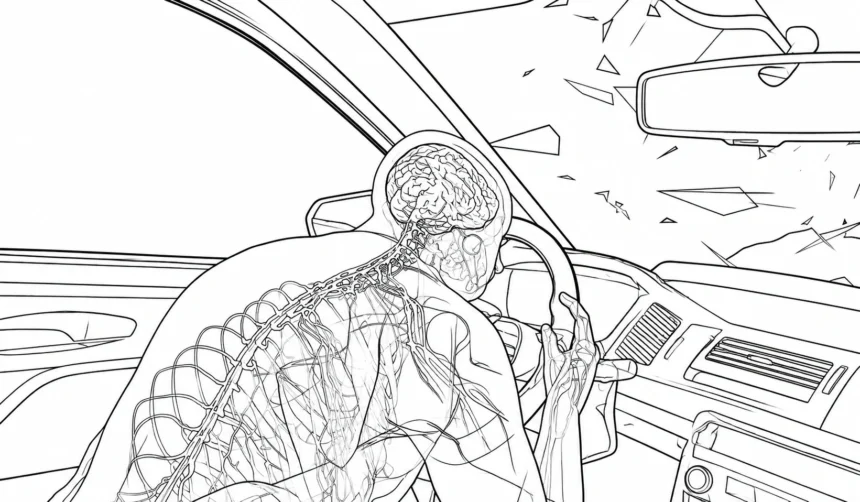
Brain injuries are among the most serious consequences of car accidents, yet they are not always immediately recognized. Unlike visible injuries such as fractures or cuts, traumatic brain injuries, often referred to as TBIs, can develop subtle symptoms that worsen over time. Early treatment plays a critical role in identifying these injuries, reducing complications, and supporting long-term recovery.
Why prompt medical attention matters can help individuals take the right steps after a crash, even if they initially feel fine. Brain injuries can affect memory, coordination, mood, and overall cognitive function, making early diagnosis essential for protecting both health and quality of life.
Understanding Traumatic Brain Injuries
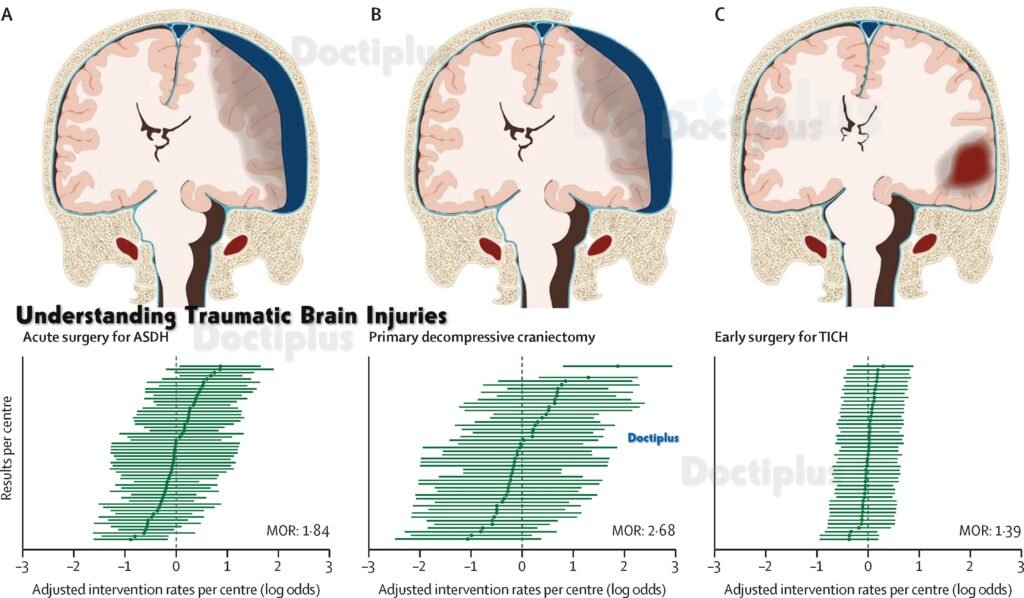
A traumatic brain injury occurs when a sudden force disrupts normal brain function. In a car crash, this may happen when the head strikes an object, or when rapid movement causes the brain to shift inside the skull.
Brain injuries vary in severity. Mild TBIs, often called concussions, may cause temporary symptoms such as headaches or dizziness. More severe injuries can lead to long-term complications involving cognition, speech, or motor skills.
Even mild injuries require careful attention. Without proper treatment, symptoms can persist or worsen, leading to more complex health challenges.
Challenge of Delayed Symptoms
One of the reasons early treatment is so important is that brain injury symptoms are not always immediate. After a car accident, adrenaline and shock may mask discomfort, making it difficult to recognize the extent of an injury.
Symptoms may appear hours or even days later. These can include headaches, confusion, sensitivity to light, memory issues, or difficulty concentrating. Because these signs can be subtle, they are sometimes overlooked.
Seeking medical evaluation soon after an accident helps identify potential issues before they develop into more serious conditions.
Preventing Secondary Brain Damage
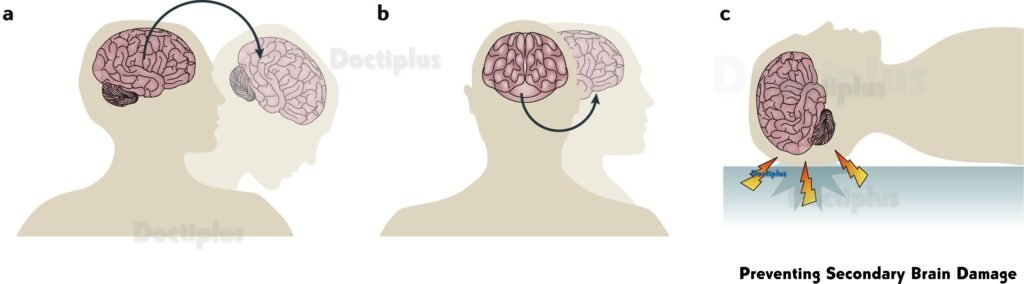
Early treatment is critical for preventing secondary brain damage. After the initial injury, the brain may experience swelling, reduced oxygen supply, or changes in blood flow.
These secondary effects can increase the severity of the injury if not addressed promptly. Medical professionals use imaging tests and monitoring techniques to detect these changes and provide appropriate treatment.
Timely intervention can reduce pressure on the brain, improve oxygen delivery, and minimize long-term damage. Early treatment also provides a timeline of the injury, from the first symptoms and diagnostic tests to later treatment and recovery. This medical history can become important when a traumatic brain injury is linked to a car crash and its long-term effects must be documented. Robert May, founder of The May Firm, has handled thousands of personal injury cases in California, and his firm published results include a $6 million motor vehicle case involving traumatic brain and spinal injuries. In serious California personal injury claims like this, life-altering brain injuries affect a person’s ability to work, live independently, and manage everyday activities, making records of how symptoms and treatment progress over time important for documenting the full impact of the injury.
Role of Diagnostic Testing
Modern medical technology plays a key role in identifying brain injuries. Imaging tests such as CT scans and MRIs allow doctors to assess the extent of damage and detect abnormalities that may not be visible through physical examination alone.
Early diagnostic testing provides valuable information that guides treatment decisions. It helps determine whether hospitalization, medication, or further monitoring is necessary.
Without early testing, certain injuries may go undetected, increasing the risk of complications.
Supporting Faster Recovery
Prompt treatment can significantly influence the recovery process. When brain injuries are identified early, healthcare providers can implement targeted treatment plans that support healing.
These plans may include rest, medication, and rehabilitation therapies such as physical therapy, occupational therapy, or cognitive therapy. Early intervention allows patients to begin these treatments sooner, which can improve outcomes.
Recovery timelines vary depending on the severity of the injury, but early care often leads to more effective management of symptoms.
Managing Long-Term Effects
Brain injuries can have lasting effects on daily life. Individuals may experience ongoing challenges with memory, attention, or emotional regulation.
Early treatment helps reduce the likelihood of long-term complications by addressing issues before they become more severe. It also allows healthcare providers to monitor progress and adjust treatment plans as needed.
In some cases, long-term care may be necessary. Early diagnosis ensures that individuals receive appropriate support and resources throughout their recovery journey.
Emotional and Cognitive Impact
Beyond physical symptoms, brain injuries can affect emotional and cognitive well-being. Individuals may experience mood changes, irritability, or difficulty managing stress.
These effects can influence relationships, work performance, and overall quality of life. Early treatment often includes evaluation of cognitive and emotional health, allowing for a more comprehensive approach to recovery.
Counseling and therapy may be recommended to help individuals cope with these changes and regain confidence in their daily activities.
Importance of Monitoring Symptoms
After a car accident, ongoing monitoring of symptoms is essential. Even if initial evaluations do not reveal significant issues, changes can occur over time.
Individuals should pay attention to new or worsening symptoms and seek medical advice if concerns arise. Keeping a record of symptoms can help healthcare providers track progress and make informed decisions about treatment.
Regular follow-up appointments ensure that recovery remains on track and that any complications are addressed promptly.
Legal Considerations Following a Brain Injury
Brain injuries resulting from car accidents can lead to significant medical expenses and long-term care needs. When another driver’s negligence contributes to the crash, individuals may have legal options for seeking compensation.
Consulting a Cincinnati car accident lawyer can help individuals understand their rights and evaluate claims. Legal professionals often assist with gathering medical records, documenting injuries, and negotiating with insurance companies.
Accurate documentation of early treatment plays an important role in these cases, as it establishes a clear connection between the accident and the injury.
Building a Strong Case With Medical Evidence

Early medical care not only supports recovery but also provides essential evidence for legal claims. Medical records, diagnostic results, and treatment plans help demonstrate the extent of the injury and its impact on daily life.
Working with leading car accident lawyers can help ensure that this evidence is presented effectively. Attorneys may collaborate with medical experts to evaluate long-term effects and determine appropriate compensation.
This process highlights the connection between timely medical care and the ability to pursue fair outcomes after an accident.
Steps to Take After a Car Accident
Taking immediate action after a car crash can make a significant difference in both health and legal outcomes. Seeking medical attention, even in the absence of obvious symptoms, is one of the most important steps.
Following medical advice, attending follow-up appointments, and documenting symptoms all contribute to a more effective recovery process. These actions also help create a clear record of the injury, which may be important if legal issues arise.
Being proactive ensures that complications are identified early and managed appropriately.
Moving Forward With Awareness and Care
Brain injuries can present challenges that extend beyond the initial accident. Early treatment provides a critical foundation for recovery, helping to identify injuries, prevent complications, and support long-term health.
By seeking prompt medical care and staying attentive to symptoms, individuals can take meaningful steps toward recovery. Combining medical support with informed decision-making allows for better outcomes and a stronger path forward after a car crash.
Follow Some References:
- https://www.ninds.nih.gov/health-information/disorders/traumatic-brain-injury-tbi
- https://www.cdc.gov/traumatic-brain-injury/about/index.html
- https://www.cdc.gov/traumatic-brain-injury/data-research/facts-stats/index.html
- https://www.nih.gov/about-nih/nih-turning-discovery-into-health/healthy-mind/traumatic-brain-injury-tbi
- https://www.nichd.nih.gov/health/topics/tbi/conditioninfo/treatment
- https://www.fda.gov/consumers/consumer-updates/traumatic-brain-injury-what-know-about-symptoms-diagnosis-and-treatment
- https://www.mayoclinic.org/diseases-conditions/traumatic-brain-injury/diagnosis-treatment/drc-20378561