

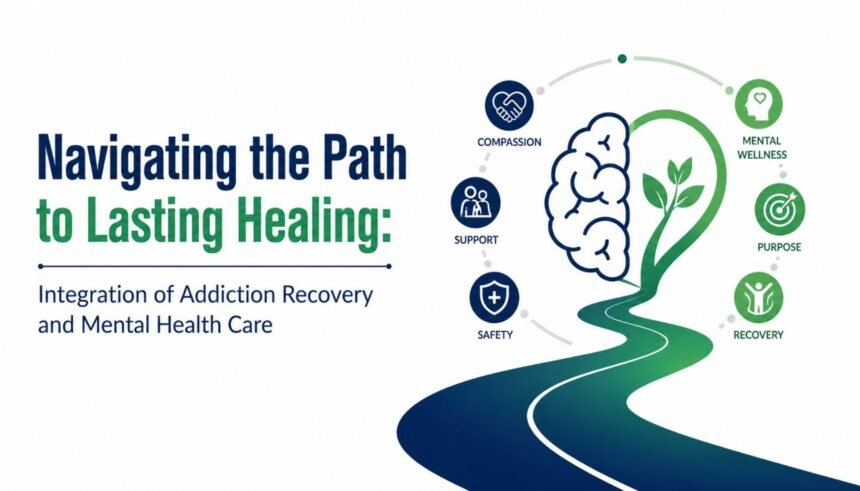
The pursuit of mental and physical wellness is one of the most fundamental aspects of the human experience, yet deep-rooted health challenges often complicate it. For millions of individuals across the globe, the intersection of substance use and psychological distress creates a complex maze that requires professional guidance to navigate. Historically, society treated physical addiction and mental health struggles as separate issues, placing them into isolated categories. However, modern medical science and clinical practice have proven that these two challenges are deeply intertwined. True healing requires a comprehensive approach that addresses the whole person, rather than merely treating the visible symptoms of a single condition.
As public understanding of behavioral health continues to evolve, the demand for sophisticated, compassionate care has never been higher. When individuals seek support, they are often looking for more than a temporary fix. They are searching for sustainable transformation. A holistic methodology explores the vital components of effective drug and alcohol rehab, the changing landscape of addiction treatment, and the critical role that specialized settings, such as residential mental health treatment in Florida, play in fostering long-term recovery for a diverse, international audience.
Demystifying Drug and Alcohol Rehab
When people think about drug and alcohol rehab, they often picture a clinical setting focused solely on physical detoxification. While cleansing the body of harmful substances is an essential first step, it represents only the beginning of a much larger journey. A truly effective rehab program builds a bridge between physical stabilization and emotional reconstruction. It provides a safe, monitored environment where individuals can navigate the initial challenges of withdrawal under the care of medical professionals.
Beyond the initial detox phase, rehab focuses heavily on identifying the underlying drivers of substance use. People rarely develop a dependency on alcohol or drugs in a vacuum. Often, these substances are used as coping mechanisms to deal with unresolved trauma, chronic stress, or unaddressed psychological disorders. By shifting the focus from the substance itself to the human experience behind the addiction, modern rehabilitation programs help individuals dismantle destructive habits. Through structured daily routines, nutritional support, and physical wellness activities, clients learn how to live a balanced life without relying on chemical dependencies.
Moreover, high-quality drug and alcohol rehab emphasizes the reconstruction of interpersonal relationships. Addiction frequently isolates individuals from their loved ones, eroding trust and communication over time. Family therapy sessions and educational workshops are integrated into the rehab curriculum to help relatives understand the nature of dependency. This collaborative approach ensures that when an individual returns home, they enter an environment that supports their newfound sobriety rather than inadvertently triggering a relapse.
Evolution of Modern Addiction Treatment
The field of addiction treatment has undergone a profound transformation over the past few decades. The outdated, punitive models of the past have largely given way to empathetic, evidence-based practices. Today, clinicians recognize that every individual arrives at treatment with a unique background, a distinct biological makeup, and a personal set of goals. Therefore, personalized care plans have become the absolute standard in the industry.
Modern programs utilize a variety of therapeutic modalities to achieve lasting results. Cognitive Behavioral Therapy helps individuals recognize and alter negative thought patterns before they lead to harmful behaviors. Dialectical Behavior Therapy provides practical tools for emotional regulation and mindfulness, allowing clients to sit with uncomfortable feelings without reacting impulsively. Additionally, trauma-informed care ensures that therapists approach each person with an understanding of their past wounds, creating a sanctuary where deep healing can take place without the risk of retraumatization.
Group therapy also plays a pivotal role, offering clients the chance to connect with peers who share similar struggles. This shared vulnerability breaks the intense isolation that so often feeds addictive behaviors. Through peer support networks, individuals realize they are not alone in their challenges, which builds a strong sense of community and mutual accountability.
Crucial Role of Residential Mental Health Treatment
For many individuals, outpatient therapy or short-term programs are not enough to break the cycle of chronic psychological distress. When mental health challenges become overwhelming, residential mental health treatment offers a sanctuary for deeper stabilization. In a residential setting, clients live at the facility full time, removed from the daily stressors, triggers, and toxic environments that may contribute to their condition. This immersive environment allows individuals to focus entirely on their recovery without the distractions of everyday life.
One of the greatest benefits of residential care is the capacity to effectively address co-occurring disorders, a concept often referred to as dual diagnosis. It is incredibly common for an individual struggling with depression, anxiety, or bipolar disorder also to battle substance abuse. When these conditions coexist, treating one while ignoring the other is almost always counterproductive.
Residential facilities provide the intensive, round-the-clock clinical supervision necessary to treat both diagnoses simultaneously. Psychiatrists, therapists, and medical staff work collaboratively to balance medication, provide continuous therapeutic support, and teach sustainable life skills that promote enduring mental stability. The structure of residential care instills healthy habits, balancing intensive therapy with periods of rest, reflection, and recreational activities.
Environmental and Clinical Excellence in Residential Care
While the principles of high-quality behavioral health care apply universally, the geographic setting of a treatment facility can significantly impact an individual’s recovery experience. Over the years, certain regions have established themselves as premier destinations for individuals seeking top-tier clinical care. Specifically, residential mental health treatment in Florida has gained a widespread reputation for excellence, drawing people from all over the world who are looking for a fresh start.
Several factors contribute to the prominence of the recovery community in this region. The natural environment plays a major role in the healing process. The abundance of sunshine, proximity to serene coastal landscapes, and calm surroundings provide a therapeutic backdrop that complements intense clinical work. Research consistently shows that nature and warm environments can reduce cortisol levels, ease anxiety, and promote a sense of tranquility, all of which are immensely beneficial during the early stages of recovery.
Furthermore, the concentration of highly specialized professionals in the region has led to the development of cutting-edge clinical models. Facilities here often integrate traditional medical treatments with holistic practices such as art therapy, mindfulness meditation, and outdoor recreation. By combining a peaceful environment with rigorous, evidence-based medical care, these centers offer a comprehensive ecosystem where individuals can rebuild their lives from the ground up. This blend of natural beauty and clinical expertise serves as an excellent model for how environmental factors can be leveraged to enhance therapeutic outcomes on a global scale.
Overcoming the Stigma and Embracing a Brighter Future
Despite the incredible advancements in the fields of mental health and addiction care, stigma remains a significant barrier for many people who need help. Society frequently mischaracterizes addiction as a moral failure or a lack of willpower, rather than recognizing it as a complex disease of the brain. Similarly, seeking help for severe depression or anxiety is sometimes viewed incorrectly as a sign of weakness. Dismantling these outdated beliefs is crucial for creating a culture where people feel safe reaching out for support.
Entering a rehabilitation or residential program is actually an act of immense courage and profound strength. It requires an individual to confront their vulnerabilities, accept professional guidance, and commit to the hard work of personal growth. When a person decides to enter treatment, they are not giving up on themselves. They are taking control of their destiny and choosing a healthier future. Families and communities play a vital role in this process by offering unconditional support and open communication, which significantly increases the likelihood of a successful recovery outcome.
Lifelong Journey of Aftercare and Continuous Wellness
Recovery does not end when an individual completes a residential or rehabilitation program. In fact, the transition back into everyday life is often the most critical phase of the entire process. A high-quality treatment facility will never discharge a client without a comprehensive aftercare plan in place. This plan acts as a vital roadmap for maintaining sobriety and mental stability in the real world.
“True recovery is not a destination, but a continuous journey of self-discovery, growth, and resilience.”
Aftercare components typically include ongoing outpatient therapy, attendance at local support groups, and regular check-ins with psychiatrists or medical providers. Many organizations also offer extensive alum networks, which allow former clients to remain connected to a supportive community of individuals who share similar wellness goals. By building a robust network of accountability and support, individuals can successfully navigate the inevitable challenges, stressors, and temptations of daily life. The ultimate goal of comprehensive care is to empower individuals to build a fulfilling life centered on health, purpose, and meaningful human connection.
Final Thoughts
Lasting recovery is not built from one treatment, one therapy session, or one short stay in care. It is built through steady support, honest clinical guidance, and a plan that treats the whole person. Addiction and mental health struggles often affect each other, so care works best when both are addressed together instead of being treated as separate problems.
A strong recovery program gives people space to heal, learn new coping skills, rebuild trust, and return to daily life with better support. Drug and alcohol rehab, addiction treatment, and residential mental health treatment can all play an important role when they are guided by trained professionals and tailored to the person’s real needs.
The most important message is simple: asking for help is not weakness. It is a serious step toward safety, stability, and a healthier future. With the right care team, family support, aftercare plan, and daily commitment, recovery can become more than a short-term goal. It can become a new way of living.
Medical Disclaimer
This article is for general educational information only. It is not medical advice, diagnosis, treatment, or a replacement for care from a licensed doctor, therapist, psychiatrist, addiction specialist, or other qualified health professional.
Anyone dealing with substance use, withdrawal symptoms, severe anxiety, depression, trauma, or any mental health concern should speak with a qualified healthcare provider. Treatment needs can vary from person to person, and only a licensed professional can recommend the safest care plan based on personal history, symptoms, medications, and current health condition.
Do not start, stop, or change any medication, therapy plan, detox plan, or recovery program without professional medical guidance.
References
- Kelly, T. M., & Daley, D. C. (2013). Integrated treatment of substance use and psychiatric disorders. Social Work in Public Health, 28(3-4), 388-406. doi:10.1080/19371918.2013.774673
- McHugh, R. K., Hearon, B. A., & Otto, M. W. (2010). Cognitive-behavioral therapy for substance use disorders. Psychiatric Clinics of North America, 33(3), 511-525. doi:10.1016/j.psc.2010.04.012
- Dimeff, L. A., & Linehan, M. M. (2008). Dialectical behavior therapy for substance abusers. Addiction Science & Clinical Practice, 4(2), 39-47. doi:10.1151/ascp084239
- McKay, J. R. (2021). Impact of continuing care on recovery from substance use disorder. Alcohol Research: Current Reviews, 41(1), 01. doi:10.35946/arcr.v41.1.01
- Reif, S., George, P., Braude, L., Dougherty, R. H., Daniels, A. S., Ghose, S. S., & Delphin-Rittmon, M. E. (2014). Residential treatment for individuals with substance use disorders: Assessing the evidence. Psychiatric Services, 65(3), 301-312. doi:10.1176/appi.ps.201300242
- de Andrade, D., Elphinston, R. A., Quinn, C., Allan, J., & Hides, L. (2019). The effectiveness of residential treatment services for individuals with substance use disorders: A systematic review. Drug and Alcohol Dependence, 201, 227-235. doi:10.1016/j.drugalcdep.2019.03.031
- Twohig-Bennett, C., & Jones, A. (2018). The health benefits of the great outdoors: A systematic review and meta-analysis of greenspace exposure and health outcomes. Environmental Research, 166, 628-637. doi:10.1016/j.envres.2018.06.030
- Livingston, J. D., Milne, T., Fang, M. L., & Amari, E. (2012). The effectiveness of interventions for reducing stigma related to substance use disorders: A systematic review. Addiction, 107(1), 39-50. doi:10.1111/j.1360-0443.2011.03601.x