

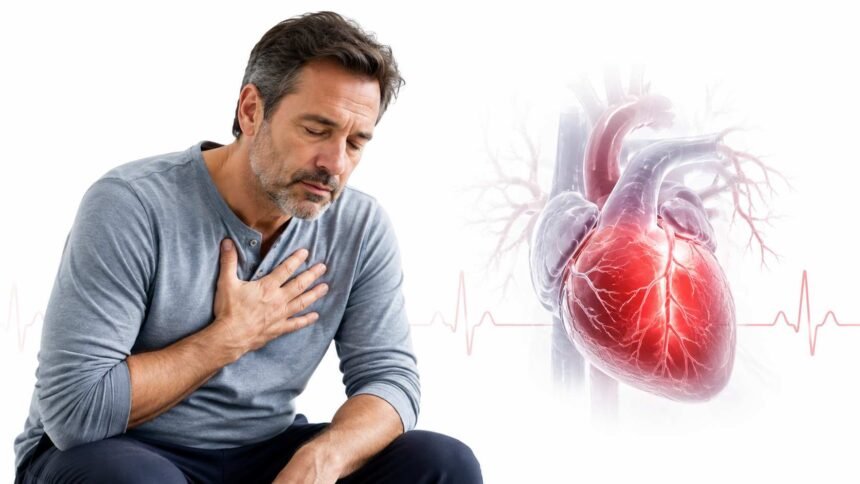
Most people assume fatigue is just a side effect of modern life: a demanding job, a few bad nights of sleep, not enough exercise, too much stress. So you push through it. You cut back on caffeine, go to bed earlier, and maybe try a new vitamin. And still the exhaustion lingers.
What if the problem is not your schedule or your sleep habits? What if it is your heart?
According to the American Heart Association’s 2024 surveillance data, nearly 6.2 million Americans are living with undiagnosed heart conditions. Many of them are experiencing symptoms they have chalked up to aging, stress, or being out of shape. Fatigue is the most commonly dismissed of all cardiac warning signs, and that dismissal has serious consequences.
Why Fatigue Can Signal a Hidden Heart Condition
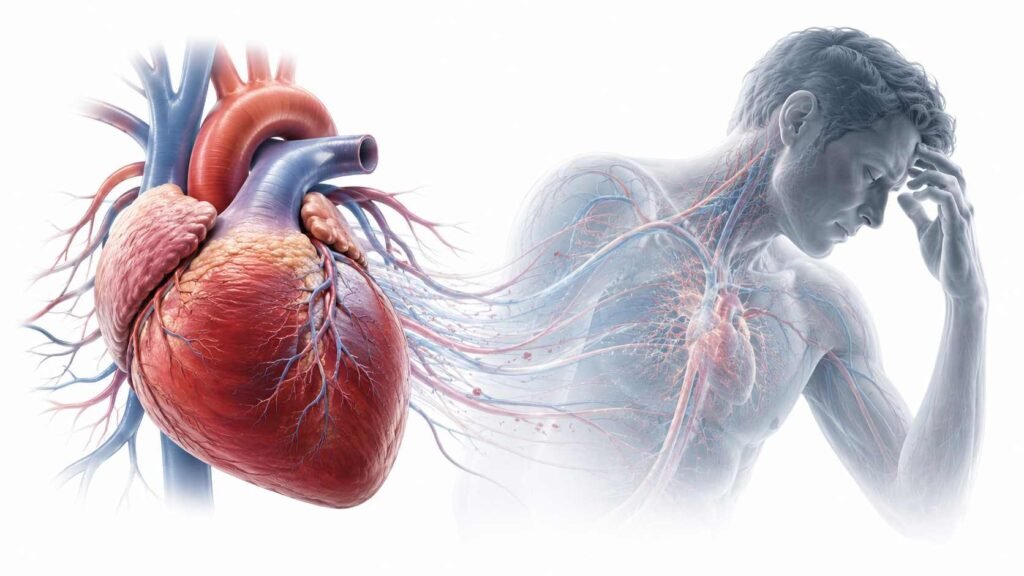
Not all fatigue is created equal. The tiredness you feel after a long week or a poor night of sleep is one thing. Cardiac fatigue is something fundamentally different, and understanding that difference could be one of the most important things you read today.
When your heart is not pumping blood efficiently, your body’s tissues do not receive enough oxygen and nutrients. This can happen in a range of conditions, including coronary artery disease, heart valve problems, and early-stage heart failure. The resulting oxygen shortage can trigger a series of physical responses throughout the body. The result is deep, persistent exhaustion that does not improve with rest in the same way normal tiredness does.
During routine activities like climbing stairs, carrying groceries, or even walking across a parking lot, a weakened or stressed heart has to work harder than usual to maintain blood flow. Your body may compensate by redirecting circulation away from less critical functions, leaving muscles and tissues feeling depleted. You may feel drained in a way that seems much greater than the activity itself.
What makes cardiac fatigue especially difficult to recognize is how gradually it can develop. There is rarely a clear moment when everything changes. Instead, people may notice over months or years that they need more breaks, feel tired more often, or find physical tasks harder than they used to. Because the change is slow, many people adjust their lifestyle around it without realizing their heart could be involved.
Another challenge is that fatigue is a very general symptom. It can appear in many conditions, including sleep disorders, depression, thyroid problems, and anemia. Primary care doctors may explore these more common causes first, especially in younger patients or people without obvious heart risk factors. This diagnostic process can take time, and during that period, an underlying heart condition may continue to progress.
Early Symptoms That Often Appear Alongside Undiagnosed Heart Problems
Fatigue rarely travels alone when heart disease is involved. Several other symptoms tend to appear in combination, and recognizing them as a connected pattern rather than separate, unrelated complaints is key to getting the right evaluation sooner.
Chest Discomfort That Does Not Feel Like a Heart Attack
Most people picture a dramatic, crushing chest pain when they think about heart problems. That kind of presentation exists, but it is far less common in early or developing heart disease than most people realize. What people actually experience more often is a feeling of pressure, tightness, or mild burning in the chest. It may come and go. It may feel similar to heartburn or a pulled muscle. It may be so intermittent that it does not seem worth mentioning at a doctor’s appointment.
This discomfort sometimes radiates to the left arm, jaw, or upper back. It may be triggered by physical exertion or emotional stress, or it may appear without any obvious cause. When it is mild and inconsistent, it is easy to explain away. But when it keeps returning alongside persistent fatigue and breathlessness, it deserves attention.
Palpitations and Irregular Heartbeats
Heart palpitations, those sensations of your heart racing, fluttering, skipping a beat, or pounding harder than usual, are another frequently overlooked warning sign. Occasional palpitations are common and often harmless. But when they happen frequently, last for extended periods, or occur alongside other symptoms like fatigue or dizziness, they can indicate underlying electrical or structural heart problems.
Many people attribute palpitations to caffeine, stress, or lack of sleep and never mention them to a doctor. When lifestyle changes do not reduce these episodes, and when they continue appearing alongside other cardiac symptoms, a cardiovascular evaluation is worth pursuing.
Sleep Disruptions
The link between heart disease and disturbed sleep is not widely known, but it is well established. People with undiagnosed heart conditions often find themselves waking frequently during the night, feeling uncomfortable lying flat, needing extra pillows to breathe easily, or experiencing restlessness they cannot explain. These sleep disruptions pile on top of the fatigue already caused by poor cardiac output, creating a cycle that makes it even harder to recognize the underlying cause.
How Fatigue and Shortness of Breath Together Indicate Heart Strain
When fatigue and shortness of breath show up together, especially during activities that used to feel easy, that combination is one of the strongest early indicators of cardiovascular stress.
The reason these two symptoms overlap in heart disease comes down to how the heart and lungs work together. When the heart cannot pump efficiently, the lungs have to work harder to extract oxygen from each breath. At the same time, the muscles throughout your body are receiving less oxygenated blood than they need to function. The result is breathlessness during exertion and exhaustion that lingers long after the activity ends.
This exercise intolerance tends to develop gradually. You might first notice it as needing to pause halfway up a staircase that never bothered you before. Then, as feeling winded after walking a few blocks. Then, as needing to rest after what should be a minor physical task. Each time it happens, you might tell yourself you need to get more exercise, not realizing that the underlying problem is preventing your heart from keeping up with even modest demands.
One of the distinguishing features of cardiac-related breathlessness is its relationship to position and rest. People with early heart failure often feel more comfortable sitting upright than lying flat, and breathlessness tends to ease quickly once they stop moving. If this pattern sounds familiar alongside persistent fatigue, it is worth raising with a physician even if other symptoms feel minimal.
Why Undiagnosed Heart Problems Are So Easy to Miss
The difficulty with detecting heart problems early is not just about symptoms being subtle. It involves a combination of how the body compensates for declining cardiac function, how medical systems prioritize testing, and how patients interpret and communicate their own experiences.
Body Adapts Quietly
Heart conditions that develop over the years allow the body to adjust and compensate gradually for the declining function. This adaptation means that significant heart disease can exist for a long time without producing symptoms dramatic enough to trigger concern. By the time fatigue or breathlessness becomes noticeable enough to prompt a doctor’s visit, the condition may have been building quietly for months or longer.
Standard Tests Can Miss Early Disease
A standard electrocardiogram or chest X-ray can appear completely normal in early heart disease, especially when symptoms only occur during physical exertion. More sensitive investigations like stress tests, echocardiograms, or cardiac catheterizations are typically reserved for patients who already have clear symptoms or established risk factors. This creates a diagnostic gap where patients whose symptoms seem mild or nonspecific may not get access to the tests that would catch the problem early.
Other Conditions Get Investigated First
From a statistical standpoint, conditions like depression, anxiety, sleep disorders, and thyroid problems are more common causes of fatigue in many age groups than heart disease. It makes clinical sense to investigate those first. But for a patient whose fatigue is actually cardiac in origin, that process can push back the right diagnosis by weeks or months.
Patients Downplay Their Own Symptoms
Many people, particularly those who think of themselves as relatively healthy, are reluctant to raise symptoms that feel vague or hard to describe. Telling a doctor “I have been more tired lately” feels like a complaint that might be dismissed, especially without other clear symptoms. People often normalize what they are experiencing or wait until it becomes undeniable before seeking evaluation.
When patients experiencing undiagnosed heart problems encounter complex medical situations involving misdiagnosis or delayed treatment, trusted medical malpractice attorneys in McAllen often see firsthand how critical early detection and proper follow-up can be in preventing serious complications.
Lifestyle and Risk Factors That Contribute to Missed Diagnoses
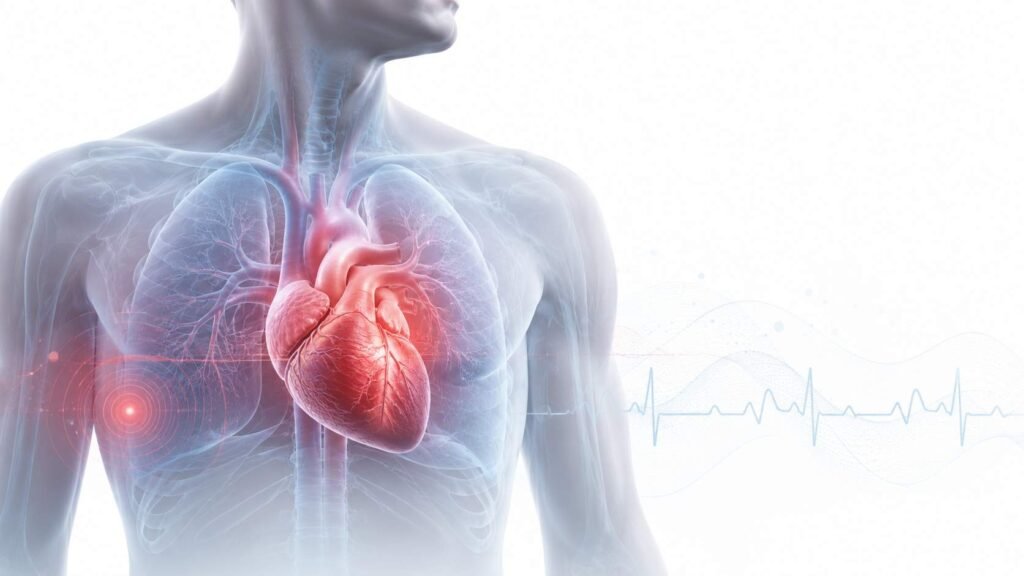
Certain lifestyle patterns and underlying health conditions can obscure heart disease symptoms or make them easier to rationalize away, complicating the path to diagnosis even further.
High-Stress Lifestyles
Chronic stress normalizes physical discomfort. When you are constantly tired, tense, and under pressure, it becomes difficult to distinguish between stress-induced symptoms and symptoms that have a physiological cardiac origin. Chest tightness, breathlessness, and fatigue all overlap between stress and early heart disease, which is exactly why high-stress individuals often attribute warning signs to their circumstances rather than their health.
Sedentary Habits
People who do not engage in regular physical activity may never exert themselves enough to trigger noticeable cardiac symptoms. When they do occasionally push themselves physically and feel out of breath or unusually tired, they attribute it to being unfit. This creates a situation where the very lifestyle that increases heart disease risk also prevents the symptoms from being noticed.
Medications That Alter How Symptoms Present
Blood pressure medications, antidepressants, and certain over-the-counter pain relievers can all affect heart rate, blood pressure, and exercise tolerance. These effects can mask or alter how underlying heart problems present, making it harder for both patients and physicians to recognize what is actually happening.
Comorbid Conditions
Diabetes can cause nerve damage that reduces chest pain sensation, making a classic cardiac symptom disappear. Sleep apnea creates fatigue that closely mimics the exhaustion caused by poor cardiac output. Obesity affects both the cardiovascular system and how symptoms are perceived and interpreted. Each of these conditions can simultaneously raise the risk of heart disease and complicate the recognition of its symptoms.
How Gender Affects Heart Disease Symptoms and Diagnosis
One of the most important and underrecognized aspects of undiagnosed heart disease is how differently it presents in women compared to men, and how those differences have historically led to significant diagnostic disparities.
Different Symptoms, Delayed Diagnoses
Men with heart disease typically present with chest pain as their primary symptom. Women more often experience fatigue as their most prominent complaint, accompanied by shortness of breath, nausea, back pain, or jaw discomfort. These are not simply variations in how women describe symptoms. They reflect genuine physiological differences in how heart disease develops and progresses in women.
Women’s smaller coronary arteries and different patterns of atherosclerosis produce symptom profiles that do not always match the diagnostic criteria historically developed based on studies conducted primarily on men. This mismatch has contributed to real-world consequences.
Systemic Gaps in Recognition
Research from the National Heart, Lung, and Blood Institute shows that women experiencing heart attacks are more likely to be misdiagnosed or to have their symptoms attributed to anxiety, stress, or other non-cardiac causes compared to men presenting with similar severity. This pattern extends to undiagnosed heart conditions generally. Women’s fatigue and atypical symptoms are more likely to be attributed to hormonal changes, depression, or lifestyle factors without cardiac evaluation being pursued.
Hormonal Complexity
Estrogen has a degree of protective effect on cardiovascular health, which means heart disease risk increases substantially after menopause. But when symptoms emerge during that transition, they are often attributed to normal hormonal changes rather than prompting cardiac investigation. Pregnancy and the postpartum period can also place significant stress on the cardiovascular system, sometimes revealing previously undetected heart conditions that get overlooked in the context of normal physiological changes.
What This Means Practically
Women experiencing persistent fatigue alongside other symptoms should advocate clearly for cardiovascular evaluation if initial assessments do not provide satisfying explanations. Understanding that women’s symptoms are less likely to match textbook descriptions of heart disease is important knowledge for both patients and the healthcare providers seeing them.
Pros and Cons of Early Cardiac Screening for Fatigue
Pros
- Early detection changes outcomes. Catching heart conditions in early stages dramatically improves treatment options and long-term prognosis. Many conditions that are complex and costly to treat when advanced are highly manageable when found early.
- Peace of mind either way. Ruling out cardiac causes of fatigue is genuinely valuable. Knowing that your exhaustion is not heart-related helps direct attention toward the actual cause.
- Non-invasive options exist. Initial cardiac screening through an EKG, echocardiogram, or stress test is relatively straightforward and non-invasive. The barrier to entry is lower than many people assume.
- Women and atypical presenters benefit most. For those whose symptoms do not match classic patterns, proactively requesting cardiac evaluation can close a diagnostic gap that the standard healthcare pathway might leave open.
Cons
- Overdiagnosis risk. Broad screening for nonspecific symptoms like fatigue can lead to unnecessary testing, false positives, and anxiety about findings that may not require treatment.
- System limitations. Not all healthcare settings make it easy to access specialized cardiac testing based on fatigue alone. Navigating referrals and insurance coverage can be a real barrier.
- Delayed pathways remain common. Even with greater awareness, standard diagnostic protocols still tend to investigate more common causes of fatigue before cardiac ones, which can frustrate patients who feel their concerns are not being taken seriously.
Frequently Asked Questions
What does cardiac fatigue feel like compared to normal tiredness?
- Cardiac fatigue tends to be persistent and disproportionate to your activity level. It does not significantly improve with rest or sleep. You may feel exhausted after activities that previously felt easy, and the tiredness often accumulates over time rather than resolving with a good night’s rest. Normal tiredness typically has a clear cause, such as poor sleep or high activity, and improves with recovery. Cardiac fatigue does not follow that pattern.
Can fatigue alone be a sign of heart disease?
- Fatigue alone is rarely diagnostic of heart disease because it appears in so many conditions. However, when fatigue is persistent, worsening, and accompanied by other symptoms like shortness of breath, palpitations, chest discomfort, or swelling in the legs, the combination warrants a cardiac evaluation. The pattern of symptoms matters more than any single symptom.
What tests are used to diagnose undiagnosed heart conditions?
- Initial evaluation typically includes an electrocardiogram to assess heart rhythm and electrical activity, along with blood tests to check markers like BNP levels associated with heart failure. If these point toward cardiac causes, further testing may include an echocardiogram to assess heart structure and function, a stress test to evaluate the heart under exertion, or more advanced imaging. Early-stage heart disease may not be visible on standard EKG or chest X-ray, so describing your symptoms clearly and thoroughly is important in guiding the appropriate tests.
Why do women’s heart disease symptoms get missed more often?
- Women more commonly experience atypical symptoms like fatigue, nausea, jaw pain, and back discomfort rather than classic chest pain. Medical diagnostic criteria have historically been developed from studies conducted largely on men, meaning women’s symptom patterns fit the standard profile less reliably. Research also shows that healthcare providers are statistically more likely to attribute women’s cardiac symptoms to stress, anxiety, or hormonal factors rather than pursuing cardiovascular investigation.
When should I see a doctor about fatigue that might be heart-related?
- You should seek evaluation if your fatigue is persistent and not explained by sleep patterns or lifestyle factors, if it is accompanied by shortness of breath during routine activities, if you experience chest discomfort, palpitations, dizziness, or swelling in your legs, or if your exercise tolerance has noticeably declined over recent months. Do not wait for symptoms to become severe. Early evaluation is always preferable to delayed diagnosis.
Can anxiety or stress mimic heart disease symptoms?
- Yes, and this is one of the genuine diagnostic challenges in this area. Chest tightness, palpitations, shortness of breath, and fatigue are all common symptoms of both anxiety and heart disease. The two conditions can also coexist, which further complicates matters. A thorough evaluation that includes both physical and psychological assessment is the appropriate approach when symptoms overlap.
Is heart disease risk related to age only?
- No. While age is a significant risk factor, heart disease can develop at any age, and the early stages of conditions like coronary artery disease can begin in young adulthood. Risk factors, including family history, high blood pressure, diabetes, smoking, obesity, and sedentary lifestyle, all increase the likelihood of developing heart disease regardless of age. Younger patients are sometimes less likely to receive cardiac evaluation for vague symptoms precisely because of assumptions about age, which can contribute to delayed diagnosis.
Disclaimer
The information provided in this article is intended for general educational and informational purposes only. It does not constitute medical advice, diagnosis, or treatment recommendations. Individual symptoms and their causes vary widely and can only be accurately assessed by a qualified healthcare professional. If you are experiencing persistent fatigue, chest discomfort, shortness of breath, or other symptoms that concern you, please consult your doctor promptly. Statistics and research findings referenced in this article are drawn from publicly available sources and may not reflect every individual case or clinical situation.
Final Conclusion
Fatigue is one of the most universal human experiences and one of the easiest symptoms to explain away. Between demanding schedules, disrupted sleep, and the general pace of modern life, most people assume their exhaustion has an obvious and ordinary cause. That assumption is usually correct. But not always.
When fatigue is persistent, deepening, and accompanied by shortness of breath during activities that used to feel easy, by chest pressure or discomfort that keeps returning, by palpitations that do not resolve, or by a general sense that your body is working harder than it should be, the possibility of an underlying heart condition deserves serious consideration.
The challenge is real. Cardiac symptoms develop gradually. The body compensates quietly. Standard diagnostic pathways often explore more common causes first. And patients, particularly women, may have their symptoms attributed to stress, anxiety, or hormonal factors before anyone thinks to look at the heart. These are not failures of individual patients or individual physicians. They are systemic patterns that can be countered with awareness and persistence.
The most important thing you can do is pay attention to the pattern of what you are experiencing rather than each symptom in isolation. A single episode of tiredness or a single skipped heartbeat means very little. Weeks of unexplained exhaustion combined with breathlessness on minimal exertion and a chest that occasionally feels tight is a different conversation entirely.
You know your body. When something feels consistently off in a way that rest is not fixing, that instinct is worth acting on. Early detection of heart conditions changes treatment options, long-term outcomes, and quality of life in ways that waiting cannot. Advocating for a thorough evaluation is not overreacting. It is one of the most reasonable things you can do for yourself.