

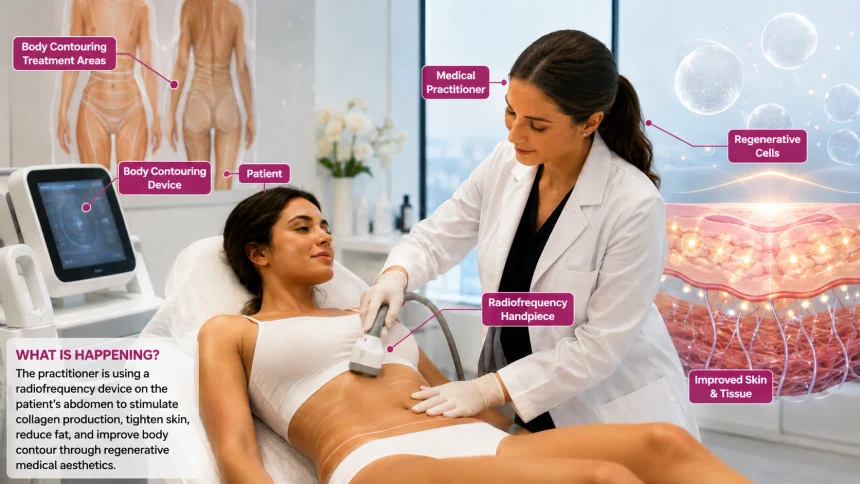
We are seeing a big change in how people seek aesthetic improvements. Many now want to refine their body shape without surgery.
This desire has led to a huge increase in non-invasive body shaping. Since 2012, demand for these solutions has gone up by over 217%.
These new methods go beyond just reducing fat. They tap into regenerative medical aesthetics. This exciting field helps our bodies naturally remodel tissues and improve skin quality.
In this guide, we will explore non-invasive body contouring. We will look at different technologies, like those using heat or electromagnetic energy. We will also cover who can benefit, what treatments involve, and key safety points. We aim to help you understand these procedures and their natural results.
Regenerative medical aesthetics represents a paradigm shift in how we approach body contouring and skin rejuvenation. Instead of solely relying on external agents or surgical removal, these advanced techniques harness the body’s innate healing and regenerative capabilities. The core principle involves stimulating cellular signaling pathways and enhancing the extracellular matrix, which is the intricate network of molecules providing structural and biochemical support to surrounding cells.
At the forefront of this approach are biostimulatory agents, particularly those that encourage the body to produce its own collagen. Poly-L-lactic acid, for instance, is a well-known biostimulator used to trigger a natural inflammatory response that leads to new collagen synthesis. This process not only improves skin texture and firmness but also contributes to a more youthful and sculpted appearance over time. By working with the body’s natural processes, regenerative treatments aim for results that are not just aesthetically pleasing but also structurally robust and long-lasting. This focus on internal regeneration aligns perfectly with a holistic view of beauty and wellness, offering a sophisticated alternative to more traditional, purely cosmetic interventions. For those interested in a broad spectrum of modern aesthetic solutions, exploring comprehensive resources on inclusive aesthetic skin treatments can provide further insight into how these principles are applied in practice.
Mechanisms Of Regenerative Medical Aesthetics For Skin Tightening
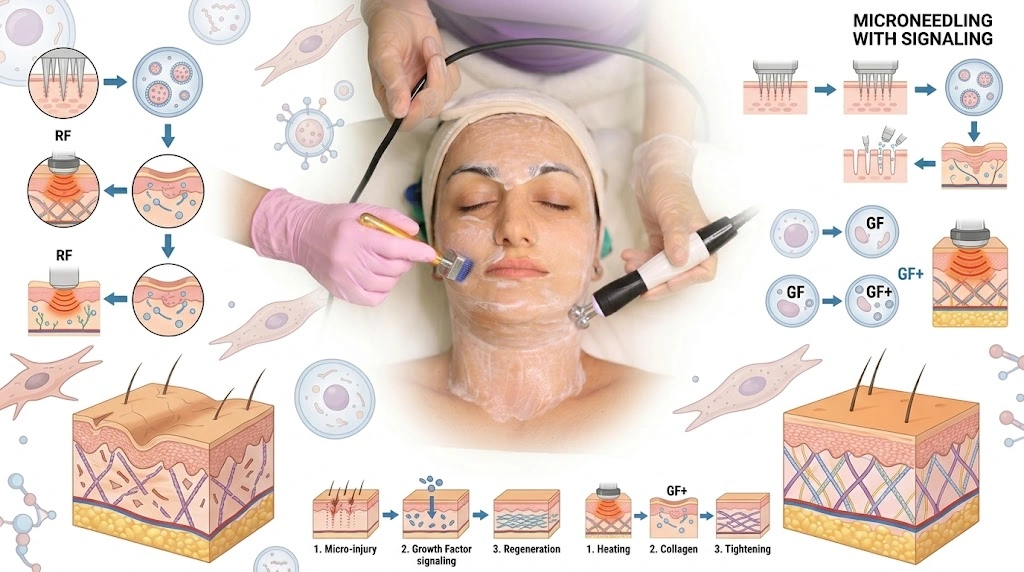
When it comes to skin tightening, regenerative medical aesthetics employs several sophisticated mechanisms. One prominent method involves the use of radiofrequency (RF) energy. This technology delivers controlled heat to the deeper layers of the skin, causing a micro-injury response without damaging the surface. This thermal stimulation activates fibroblasts, which are the primary cells responsible for producing collagen and elastin. The subsequent process, known as neocollagenesis, leads to the formation of new, healthier collagen fibers, while the existing collagen contracts, resulting in immediate tightening. Over several weeks and months, the continued production of collagen and elastin significantly improves skin elasticity and firmness.
This approach is particularly effective because it addresses the root cause of skin laxity: the degradation of collagen and elastin fibers due to aging and environmental factors. By prompting the body to rebuild these essential components, RF treatments offer a natural and progressive improvement in skin quality. Unlike superficial treatments, the regenerative effects extend deep within the dermis, creating a more resilient and youthful skin structure from within.
Combining Non-Invasive Fat Reduction With Regenerative Medical Aesthetics
The synergy between non-invasive fat reduction and regenerative medical aesthetics offers a powerful approach to comprehensive body shaping. While fat reduction techniques like cryolipolysis (fat freezing) and high-intensity ultrasound focus on eliminating adipocytes (fat cells) through processes like adipocyte apoptosis, regenerative methods focus on improving the overlying skin and supporting tissues. Cryolipolysis, for example, selectively targets and freezes fat cells, which are then naturally cleared by the body’s immune system over two to three months, a sequence explained in this clinical overview of fat freezing. Similarly, ultrasound energy disrupts fat cells, allowing the body to metabolize them.
However, simply reducing fat doesn’t always address skin laxity or texture concerns that may arise after fat loss. This is where regenerative medical aesthetics plays a crucial role. By integrating treatments that stimulate collagen and elastin production, such as radiofrequency or biostimulatory injections, alongside fat reduction, we can achieve more harmonious and complete results. These multimodal protocols ensure that as fat is reduced, the skin tightens and remodels, preventing a deflated or loose appearance. This combined strategy leads to structural rejuvenation, enhancing both contour and skin quality for a smoother, firmer, and more toned outcome.
Comprehensive Guide To Non-Invasive Body Sculpting Technologies
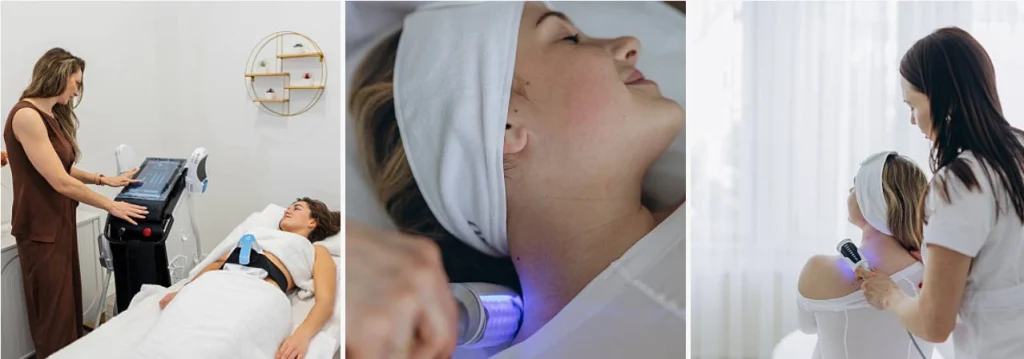
The landscape of non-invasive body sculpting has expanded dramatically, offering a diverse array of technologies to address various aesthetic concerns. These innovations primarily fall into categories based on the type of energy they utilize: thermal (both cold and heat), non-thermal (such as electromagnetic and light-based), and mechanical. Each technology targets specific biological processes to achieve fat reduction, muscle toning, or skin tightening without the need for surgical incisions or extensive downtime.
Key thermal modalities include cryolipolysis, which uses controlled cooling to destroy fat cells, and radiofrequency lipolysis and high-intensity focused ultrasound (HIFU), which employ heat to achieve similar results. Non-thermal options involve low-level laser therapy (LLLT) and electromagnetic stimulation, designed to either release fat cell contents or build muscle mass. The continuous evolution of these devices means patients now have more choices than ever to tailor treatments to their individual needs and goals. Understanding the underlying mechanisms of each technology is crucial for making informed decisions about body contouring, and it is worth reading what dermatologists tell patients to expect from non-invasive fat removal before booking anything.
Thermal Energy Modalities: Cold And Heat
Thermal energy modalities are at the core of many non-invasive body contouring treatments, leveraging temperature changes to achieve aesthetic improvements.
- Controlled Cooling (Cryolipolysis): This technology, often referred to as “fat freezing,” works on the principle that fat cells are more susceptible to cold temperatures than surrounding tissues. During a cryolipolysis session, a specialized applicator delivers precisely controlled cooling to the targeted area. This cold exposure induces adipocyte apoptosis, a process where fat cells undergo programmed cell death. Over the subsequent two to three months, the body’s lymphatic system naturally clears these damaged fat cells, leading to a visible reduction in the treated fat bulge. Clinical studies have shown that cryolipolysis can reduce subcutaneous fat at the treatment site by up to 25% after just one treatment, with improvements seen in 86% of treated subjects, and a systematic review of cryolipolysis outcomes gives a sense of how consistent those figures are across studies. Patient satisfaction rates are also notably high, at 73% after a single session. However, it is important to be aware of rare side effects like Paradoxical Adipose Hyperplasia (PAH), where treated fat tissue expands instead of shrinking, though this occurs in approximately 0.004% of cases.
- Targeted Hyperthermia (Heat-based treatments): In contrast to cooling, other thermal modalities use heat to disrupt fat cells and tighten skin. Radiofrequency (RF) energy and high-intensity focused ultrasound (HIFU) are prime examples. RF devices deliver thermal energy to the fat layer, heating adipocytes to temperatures around 45°C, which triggers their apoptosis. The heat also causes existing collagen fibers to contract, providing immediate skin tightening, and stimulates fibroblast activity for new collagen production over time. The body processes the released fatty acids and glycerol through natural metabolic pathways. Similarly, HIFU uses focused ultrasound waves to generate heat at precise depths, destroying fat cells and promoting collagen remodeling. These heat-based treatments often rely on the principle of tissue impedance, where different tissues absorb energy differently, allowing for selective targeting of fat while sparing surrounding structures. Dermal heating is a common side effect, but advanced devices incorporate real-time temperature monitoring to ensure safety and prevent burns.
Non-Thermal Modalities: Electromagnetic And Mechanical Systems
Beyond thermal approaches, non-thermal technologies offer distinct pathways to body contouring, focusing on muscle stimulation, lymphatic drainage, and cellular function without significant heat generation.
- Electrical Muscle Stimulation (EMS) and Pulsed Magnetic Fields: These technologies are designed to enhance muscle tone and strength, contributing to a more sculpted physique. Electrical Muscle Stimulation (EMS) directly stimulates motor nerves, causing muscles to contract. More advanced systems, such as those using high-intensity focused electromagnetic (HIFEM) energy, generate powerful pulsed magnetic fields that induce supramaximal muscle contractions far beyond what can be achieved through voluntary exercise. These intense contractions lead to muscle hypertrophy (growth) and hyperplasia (increase in muscle fiber number). For example, a combined EMS, RF, and vacuum treatment has shown remarkable results, leading to an 18.83% increase in muscle thickness and a 26.27% reduction in abdominal fat thickness after 16 sessions over 8 weeks, with 94.5% of participants rating their improvement as ‘good’ or ‘very good’. This dual action of muscle building and fat reduction makes these modalities highly effective for improving abdominal tone and buttock firmness.
- Low-Level Light Therapy (LLLT): Also known as photobiomodulation, LLLT uses specific wavelengths of light to alter cellular function without generating heat. This therapy is thought to create temporary pores in fat cell membranes, allowing fatty acids and glycerol to be released and subsequently metabolized by the body. While it doesn’t destroy fat cells, it can lead to temporary volume reduction.
- Mechanical Systems (Shockwave Therapy): Mechanical shockwave devices, sometimes described as acting like “tiny jackhammers,” deliver acoustic waves to the tissue. These waves stimulate lymphatic drainage, improve circulation, and can help break down fibrous septa that contribute to cellulite. By enhancing microcirculation and stimulating collagen production, shockwave therapy can temporarily reduce the appearance of cellulite and improve skin texture. These non-thermal approaches provide valuable options for patients seeking muscle enhancement, subtle fat reduction, or cellulite improvement without relying on temperature-based mechanisms.
Clinical Considerations: Candidates, Safety, And Regulatory Clearances
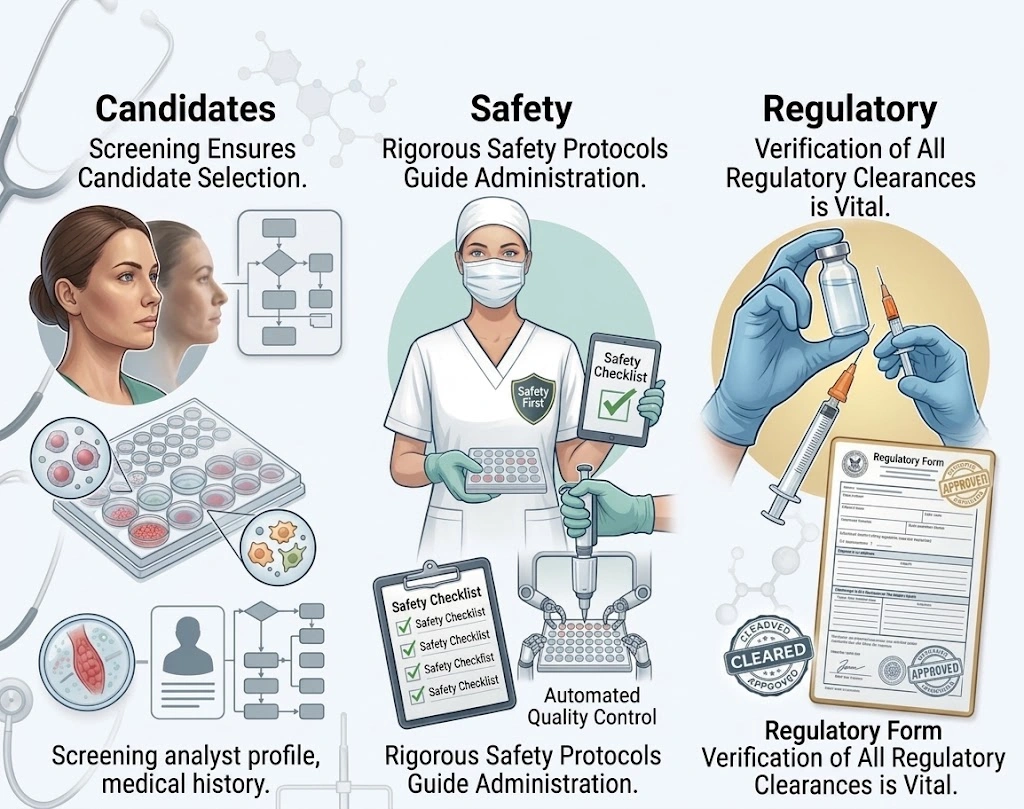
Before embarking on any non-invasive body contouring journey, a thorough understanding of clinical considerations is paramount. This includes identifying suitable candidates, evaluating safety profiles, and verifying regulatory clearances.
- Candidate Selection: Non-invasive body contouring is not a weight-loss solution; it is primarily intended for individuals who are near their ideal body weight but struggle with localized fat bulges that are resistant to diet and exercise. Generally, good candidates have a BMI under 30 kg/m² and possess pinchable fat in specific areas like the abdomen, flanks, or thighs. Patients with unrealistic expectations, or those who view these treatments as a substitute for a healthy lifestyle, are typically not good candidates. Being at your ideal weight prior to body contouring significantly improves the quality of aesthetic results and reduces complication risks.
- FDA Clearance and Approval: A critical aspect of patient safety is understanding the regulatory status of aesthetic devices. In the United States, devices can be “FDA cleared” or “FDA approved.” Most non-invasive body contouring devices are FDA cleared, meaning the FDA has determined that the device is “substantially equivalent” to another legally marketed device (a “predicate” device) that was either cleared or approved. This process, often through a 510(k) premarket notification, indicates that the device is safe and effective for its intended use. FDA approval, on the other hand, is a more rigorous process typically reserved for Class III devices (high-risk devices) or new devices without a predicate, requiring extensive clinical trials to demonstrate safety and efficacy. Patients should always confirm that the aesthetic device being used is cleared or authorized by the FDA under the appropriate medical device database product code. No non-invasive body contouring devices, for example, are FDA-cleared or approved for treating male or female breasts, and the FDA explicitly warns against dermal fillers or injectable silicone for body contouring due to severe risks.
Safety Profiles, Side Effects, And Contraindications
While generally considered safe, non-invasive body contouring treatments do carry potential side effects and contraindications that patients and providers must be aware of.
- Common Side Effects: Most non-invasive procedures result in mild and temporary side effects. These can include transient erythema (redness), bruising, swelling, localized numbness, tingling, or tenderness in the treated area. For cryolipolysis, numbness can persist for up to 14 days. These effects typically resolve spontaneously within a few hours to a few weeks, depending on the modality. For example, redness and localized bruising from some treatments usually clear within a few hours.
- Rare but Serious Complications: One unique and rare side effect associated with cryolipolysis is Paradoxical Adipose Hyperplasia (PAH). In PAH, the treated fat tissue expands and hardens into a firm, raised bulge instead of shrinking. This typically appears 2 to 5 months after treatment and usually requires surgical removal, as summarised in clinical reviews of paradoxical adipose hyperplasia. While rare, with approximately 33 cases reported out of over 850,000 procedures (a prevalence of about 0.004%), it highlights the importance of informed consent.
- Contraindications: Certain medical conditions or circumstances make individuals unsuitable for non-invasive body contouring. General contraindications include pregnancy, breastfeeding, and active implants such as pacemakers, defibrillators, or cochlear implants, especially for treatments involving electromagnetic fields or radiofrequency energy. Patients with metal implants in the treatment area should also avoid certain modalities. Individuals taking isotretinoin (Accutane) must wait at least 6 months after discontinuing the medication before undergoing light-based or thermal treatments due to increased skin sensitivity and impaired healing. Other contraindications include pre-existing hernias or structurally weak abdominal areas (e.g., post-pregnancy diastasis recti) for cryolipolysis, and recent sun exposure or photosensitizing drug regimens for light-based treatments. Always inform your healthcare provider about all current medications, medical history, and active implants prior to any treatment.
Treatment Expectations, Recovery, And Cost Overview
Navigating non-invasive body contouring requires a clear understanding of what to expect regarding treatment protocols, recovery, and financial investment.
- Session Protocols and Results: The number of treatments needed varies significantly depending on the technology used, the area being treated, and individual patient goals. Many modalities require a series of sessions to achieve optimal results. For instance, cryolipolysis often involves 1 to 2 sessions per area, with results becoming visible over 2 to 3 months as the body’s immune system clears the damaged fat cells. Combination treatments, such as those involving EMS, RF, and vacuum, might require 16 sessions over 8 weeks to achieve significant fat reduction and muscle strengthening. Red light therapy, which temporarily releases fat cell contents, might also require multiple sessions. The gradual nature of results from non-surgical procedures can be an advantage, allowing for discreet aesthetic improvements.
- Recovery Time and Downtime: One of the most appealing aspects of non-invasive body contouring is the minimal to zero downtime. Most patients can return to their normal activities immediately after a session. Side effects like redness, swelling, or mild soreness are typically transient and do not impede daily routines. This makes these treatments ideal for individuals with busy schedules, often earning them the nickname “lunchtime procedures.”
- Result Persistence: The results from fat-reducing treatments like cryolipolysis, RF lipolysis, and HIFU are generally considered long-lasting because the destroyed fat cells do not return. However, it’s crucial to understand that remaining fat cells can expand if a patient experiences significant weight gain. Therefore, maintaining a healthy lifestyle with a balanced diet and regular exercise is essential to preserve the contoured results. Muscle-toning treatments, like EMS, also require maintenance sessions or continued physical activity to sustain muscle hypertrophy.
- Cost Factors: The cost of non-invasive body contouring can vary widely, typically ranging from $1,000 to $4,000 per session, depending on the technology, the size and number of areas treated, the geographic location, and the provider’s expertise. Since multiple sessions are often required, the total investment can be substantial. It’s important to have a clear understanding of the full treatment plan and associated costs during the initial consultation.
- Provider Selection: Choosing a qualified provider is paramount for both safety and efficacy. Look for board-certified cosmetic surgeons, dermatologists, or licensed aestheticians working under direct physician supervision. Verify their credentials, experience with the specific technologies, and review before-and-after photos, and take the time to check how board certification is actually awarded rather than relying on official-sounding titles alone. A reputable provider will conduct a thorough consultation, discuss realistic expectations, potential risks, and contraindications, and ensure the devices used are FDA-cleared.
Frequently Asked Questions About Non-Invasive Body Shaping
As the popularity of non-invasive body shaping continues to grow, many questions arise regarding its capabilities, regulatory status, and treatment timelines. Here, we address some of the most common inquiries.
Does Non-Invasive Body Contouring Result In Permanent Weight Loss?
- No, non-invasive body contouring does not result in permanent weight loss and is not a treatment for obesity. These procedures are specifically designed to reduce localized pockets of subcutaneous fat and improve body silhouette in individuals who are already at or near their ideal body weight. While technologies like cryolipolysis, radiofrequency lipolysis, and high-intensity focused ultrasound destroy fat cells, leading to a permanent reduction in fat in the treated area, they do not significantly impact overall body weight.
- The body processes and eliminates these destroyed fat cells, but this does not equate to systemic weight loss. If a patient gains a significant amount of weight after treatment, the remaining fat cells in both treated and untreated areas can expand, potentially diminishing the aesthetic results. Therefore, maintaining a stable weight through a healthy diet and regular exercise is crucial for preserving the outcomes of non-invasive body contouring. It should always be viewed as a sculpting tool, not a weight-loss solution.
What Is The Difference Between FDA Clearance And FDA Approval For Aesthetic Devices?
Understanding the distinction between FDA clearance and FDA approval is vital for consumers evaluating the safety and efficacy of aesthetic devices.
- FDA Clearance: Most non-invasive body contouring devices on the market are “FDA cleared.” This means the U.S. Food and Drug Administration has determined that the device is “substantially equivalent” to another legally marketed device (known as a “predicate device”) that was either previously cleared or approved. The clearance process, typically through a 510(k) premarket notification, focuses on demonstrating that the new device is as safe and effective as the predicate device. It usually applies to Class I and Class II medical devices, which are considered moderate to low risk. For example, if a new cryolipolysis device is cleared, it means the FDA has found it to be similar enough in function, safety, and effectiveness to an existing, cleared cryolipolysis device.
- FDA Approval: “FDA approval” is a more stringent and comprehensive process, generally reserved for Class III medical devices (high-risk devices) or novel devices for which no predicate device exists. This process requires a Premarket Approval (PMA) application, which demands extensive clinical trials and scientific evidence to demonstrate the device’s safety and effectiveness for its intended use. The FDA reviews the entire manufacturing process, design, and clinical data to ensure the benefits outweigh the risks. While some aesthetic devices may undergo the approval process, many non-invasive body shaping technologies achieve FDA clearance, which still signifies that they have met the agency’s standards for safety and effectiveness based on established regulatory standards.
How Many Sessions Are Typically Required And When Are Results Visible?
- The number of sessions required for non-invasive body shaping and the timeline for visible results can vary significantly based on the specific technology used, the treatment area, and individual patient characteristics.
- For many fat-reduction treatments like cryolipolysis, radiofrequency lipolysis, or high-intensity focused ultrasound, patients typically undergo 1 to 4 sessions per area. These sessions are usually spaced several weeks apart to allow the body to process the treated fat cells and recover. For instance, cryolipolysis results typically become noticeable 2 to 3 months after the initial treatment, as the body’s macrophage cells gradually clear the destroyed fat cells.
- Muscle-toning technologies, such as electrical muscle stimulation (EMS) or high-intensity focused electromagnetic (HIFEM) devices, often require a series of 4 to 16 sessions over a few weeks, with results often starting to appear within a few weeks of the final treatment and continuing to improve for several months as muscles strengthen and grow.
- Low-level light therapy (LLLT) or mechanical treatments for cellulite may also necessitate multiple sessions to achieve and maintain optimal outcomes. Non-invasive body contouring results are often gradual and progressive, not immediate. The body needs time for cellular elimination, collagen remodeling, and muscle adaptation. A thorough consultation with a qualified provider will establish a personalized treatment protocol and provide realistic expectations regarding the number of sessions and the timeline for seeing the full benefits of the treatment.
Conclusion
The rise of regenerative medical aesthetics and non-invasive body shaping marks an exciting evolution in aesthetic medicine. We have explored how these innovative approaches move beyond traditional methods, harnessing the body’s natural regenerative capabilities to create more natural, sustainable results. From stimulating collagen synthesis through biostimulatory agents and radiofrequency energy to precisely targeting fat cells with cold or heat, and building muscle with electromagnetic fields, the technological integration is profound.
These advancements offer compelling alternatives for individuals seeking to refine their physique without the risks and downtime associated with surgery. However, the importance of patient safety, rigorous provider selection, and adherence to regulatory standards cannot be overstated. By understanding the mechanisms, benefits, limitations, and clinical considerations of each technology, patients can make informed decisions that align with their aesthetic goals and overall well-being. Non-invasive body shaping, particularly when combined with regenerative principles, represents a holistic approach to body transformation, one that prioritizes natural results, patient safety, and long-term satisfaction. We believe that embracing these cutting-edge practices, grounded in scientific understanding and ethical application, will continue to shape the future of aesthetic care.
Disclaimer
This article is for general information only and is not medical advice. The figures, timelines, and costs cited come from published sources and clinical studies and will not predict your own outcome, since results depend on your health, anatomy, and the device and provider used. Speak to a qualified, licensed medical professional before starting any body contouring or skin tightening treatment, and tell them about your full medical history, current medications, and any implants.