


Dull skin can be frustrating because it often appears quietly. One week, your complexion looks fresh, smooth, and healthy. Then suddenly your face seems tired, flat, dry, or uneven, even when you are following the same basic skincare routine.
The good news is that dull skin is common, and in many cases, it is not a sign of anything serious. It usually means your skin is under some pressure. That pressure may come from dehydration, lack of sleep, sun exposure, stress, dead skin buildup, poor diet, or simply a routine that no longer suits your skin.
The key is not to chase an instant glow with harsh products. The better approach is to understand why your skin looks dull in the first place, then support it from both inside and outside.
What Is Dull Skin?
Dull skin refers to a complexion that looks tired, dry, uneven, or lacking in brightness. Healthy skin reflects light more evenly because the surface is smoother and better hydrated. When the skin barrier is dry, rough, irritated, or covered with excess dead skin cells, light scatters instead of reflecting cleanly, that is when the face can look flat or lifeless.
Dullness can show up in different ways. Some people notice dry patches. Others see uneven tone, rough texture, shadowy areas, or a general lack of freshness. It can affect oily, dry, combination, and sensitive skin types. Even people who do not usually struggle with skin problems may notice dullness during stressful periods, weather changes, travel, poor sleep, or diet changes.
Common Causes of Dull Skin
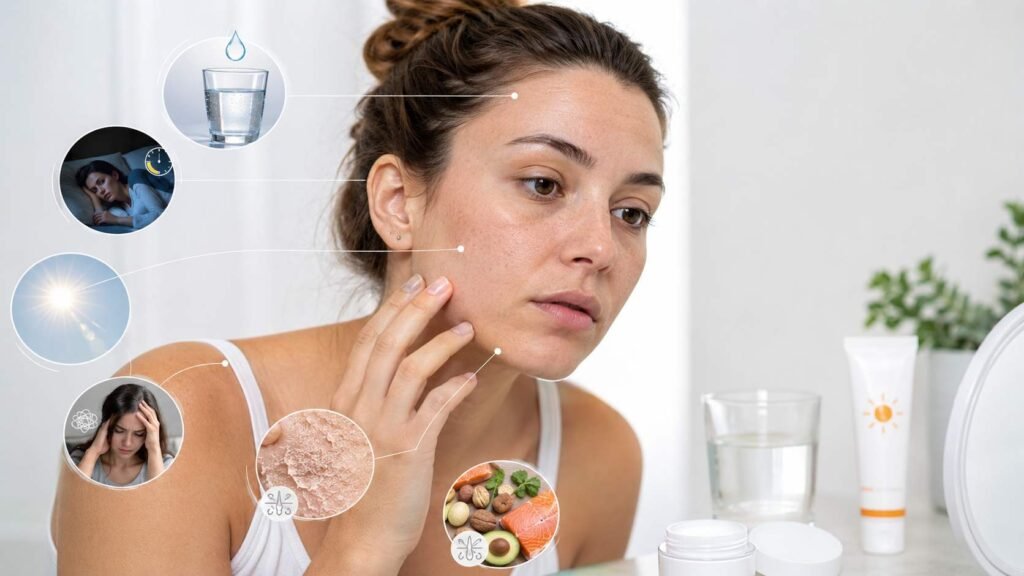
Before fixing dull skin, it helps to identify what may be causing it. Most people do not have just one cause. Often, dullness comes from a mix of lifestyle habits, environmental exposure, and skin barrier stress.
Dehydration and Low Skin Moisture
When the body is not getting enough fluids, the skin may appear less plump and less fresh. Dehydrated skin can look tight, tired, or slightly shadowed. This does not always mean the skin is dry by type. Even oily skin can be dehydrated if it lacks water.
Skin also loses moisture when the barrier is weakened. Over-cleansing, harsh exfoliation, dry weather, air conditioning, and hot showers can all make the skin feel rougher and less comfortable.
Poor Sleep
Sleep is when the body repairs and restores itself. When sleep is poor, the skin can look dull, puffy, or uneven the next day. Over time, irregular sleep may make the complexion look more tired because the body does not get enough recovery time.
A good skincare routine cannot fully make up for poor rest. Creams and serums can support the skin, but sleep helps the body do its natural repair work.
Sun Exposure
Sun exposure is one of the biggest reasons skin starts to look uneven and dull. UV rays can contribute to dryness, dark spots, uneven tone, fine lines, and premature ageing. The tricky part is that sun damage does not only happen on hot sunny days. UV rays can still affect the skin when the weather looks cloudy.
This is why sunscreen should be a daily habit, not only a beach or summer product.
Stress
Stress can affect the skin in several ways. It may disturb sleep, increase inflammation, trigger breakouts, or make people skip healthy habits. Some people also touch their face more when stressed or neglect their usual routine.
Stress does not always create instant skin changes, but long periods of emotional pressure can show up on the face. The skin may look less calm, less balanced, and less bright.
Buildup of Dead Skin Cells
The skin naturally sheds dead cells. When that process slows down or becomes uneven, dead cells can sit on the surface and make the skin look rough or grey. Makeup may not sit well, moisturiser may feel less effective, and the face may lose its natural glow.
Gentle exfoliation can help, but too much exfoliation can create the opposite problem. If the skin becomes irritated or damaged, it may look even more dull.
Nutritional Gaps
The skin needs nutrients to function well. A diet low in protein, healthy fats, vitamins, minerals, and antioxidants can affect how the skin looks and feels. Restrictive diets, skipped meals, low appetite, or poor food quality can all contribute to tired-looking skin.
This does not mean one food or one supplement will magically fix dullness. Skin health is built through consistent nourishment.
How to Support Skin Health From the Inside Out
Skincare products matter, but healthy skin starts deeper than the surface. Your skin is an active organ. It needs water, nutrients, sleep, and protection to work properly.
Eat for Steady Skin Support
A skin-supportive diet does not need to be complicated. Aim for colourful fruits and vegetables, quality protein, whole grains, nuts, seeds, and healthy fats. These foods help provide the building blocks your body uses for repair, hydration, and normal cell function.
Protein is especially important because the skin relies on amino acids. Healthy fats also matter because they help support the skin barrier. A very low-fat diet may leave the skin feeling drier and less comfortable.
Be Realistic About Supplements
Supplements can help when they fill a real gap, but they should not replace food, sleep, hydration, or sunscreen. Some people choose collagen for skin as part of a broader routine because collagen is a structural protein linked with firmness and elasticity. However, it should be viewed as support, not a guaranteed quick fix.
The same applies to vitamins. Vitamin B12 supports important body functions, and people with low levels may need extra support. Those who follow a restrictive diet, a vegan diet, or have absorption issues may be more likely to need vitamin B12 capsules, but it is best to confirm your needs with a healthcare professional instead of guessing.
Daily Habits That Can Help Fix Dull Skin
A bright complexion usually comes from small habits repeated consistently. You do not need an expensive routine. You need a routine that protects the skin barrier and supports your body.
Keep Hydration Simple
Drink water regularly throughout the day. You do not have to force extreme amounts, but you should avoid going long hours without fluids. If you sweat heavily, exercise, spend time in hot weather, or feel depleted, electrolytes may help replace what your body loses through sweat.
Hydration also comes from food. Fruits, vegetables, soups, and water-rich meals can support your fluid intake.
Build a Better Sleep Routine
Try to keep a regular sleep schedule where possible. A stable bedtime and wake-up time can help your body settle into a better rhythm.
Good sleep habits include reducing screen time before bed, keeping your room comfortable, avoiding heavy meals late at night, and giving yourself time to wind down. Even small improvements can make the skin look more rested over time.
Cleanse Without Stripping the Skin
A harsh cleanser can leave the skin feeling tight, dry, and dull. Choose a gentle cleanser that removes dirt, oil, sunscreen, and makeup without making your face feel uncomfortable.
If your skin feels squeaky clean after washing, your cleanser may be too strong. Skin should feel clean but not stripped. Over-cleansing can weaken the barrier and make dullness worse.
Exfoliate Carefully
Exfoliation can help remove dead skin cells and improve texture, but it must be done gently. Start slowly, especially if your skin is sensitive, acne-prone, dry, or already irritated.
Avoid using multiple exfoliating products at the same time. Scrubs, acids, retinoids, and strong treatments can overwhelm the skin when layered carelessly. If your skin stings, burns, peels heavily, or becomes red, take a break and focus on moisturising.
Use Sunscreen Every Day
Daily sunscreen is one of the most important habits for preventing dullness, uneven tone, and premature ageing. Choose a broad-spectrum sunscreen with SPF 30 or higher and apply it generously to exposed skin.
Cloudy weather does not mean your skin is fully protected. UV rays can still reach your skin, so sunscreen should be part of your morning routine all year round.
Moisturise to Protect the Skin Barrier
Moisturiser helps seal hydration into the skin and supports the barrier. When the barrier is healthier, skin often looks smoother and calmer. For a simple approach, a GlowBareSkin 5-step skincare routine kit can help bring several essential skincare steps together in one routine.
Look for ingredients such as glycerin, hyaluronic acid, ceramides, and gentle plant oils if they suit your skin type. The best moisturiser is not always the richest one. Oily skin may prefer a lightweight gel cream, while dry skin may need a thicker cream.
When Dull Skin Needs More Attention
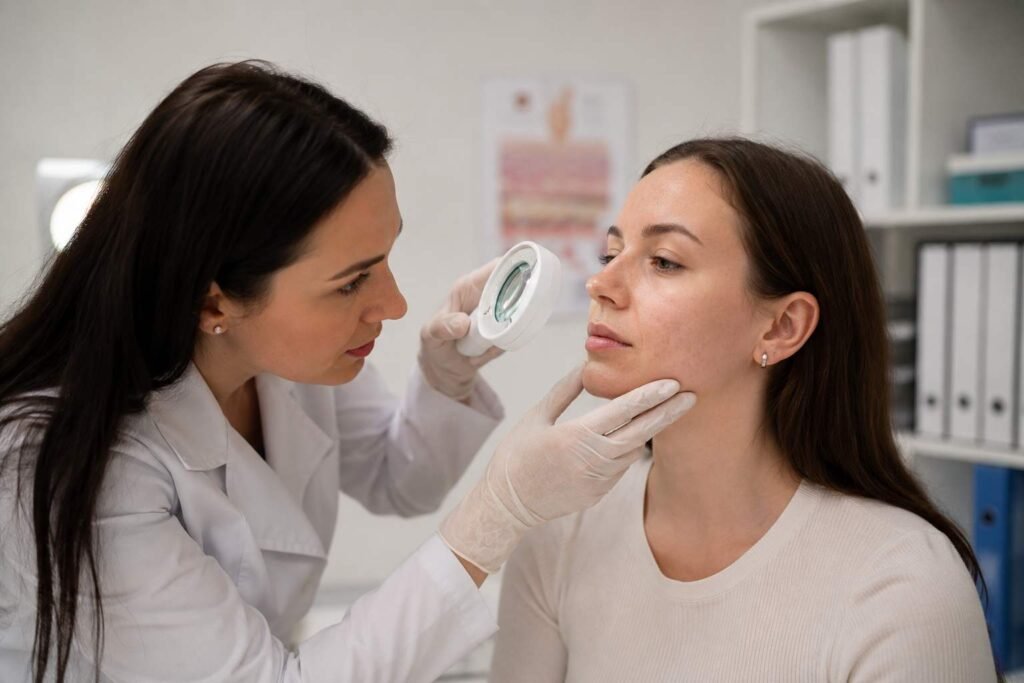
Most dull skin improves with better hydration, sleep, sun protection, gentle exfoliation, and balanced nutrition. However, there are times when you should look deeper.
If dullness comes with severe dryness, itching, sudden dark patches, unusual fatigue, hair loss, frequent breakouts, or a major change in skin texture, it may be worth speaking to a doctor or dermatologist. Sometimes skin changes are linked to hormones, deficiencies, medication, allergies, eczema, or other health factors.
You should also be careful if your skin becomes dull after using strong skincare products. Damage from over-exfoliation or harsh actives can take time to repair.
Final Conclusion
Dull skin is usually your skin’s way of asking for better support. It may need more water, more rest, better sun protection, gentler skincare, improved nutrition, or time to recover from stress.
The best fix is not one miracle product. It is a steady routine that protects your skin barrier and supports your body from within. Drink enough fluids, sleep well, eat nourishing foods, use sunscreen daily, exfoliate gently, and avoid overwhelming your skin with too many harsh treatments.
With consistent care, your skin can start to look fresher, smoother, and more naturally radiant again.
Disclaimer
This article is for general informational purposes only and should not be taken as medical advice. Skin concerns can have many causes, including allergies, deficiencies, medical conditions, hormones, medication side effects, or irritation from skincare products. Always speak with a qualified healthcare professional, dermatologist, or nutrition expert before starting supplements, changing your diet significantly, or treating persistent skin concerns.