


Recovery after plastic surgery varies depending on the type of procedure, treatment area, surgical technique, anaesthesia, health condition, wound healing, and post-operative care instructions. Some patients may recover within a shorter period after minor procedures, while others may need several weeks or months for swelling, bruising, scars, and tissue changes to settle.
Plastic surgery may involve cosmetic, reconstructive, or functional goals. Recovery is not only about waiting for swelling to reduce. It also involves wound care, pain control, movement restrictions, scar care, follow-up visits, and knowing when to contact the clinic.
Recovery Is Different for Every Procedure
There is no single recovery timeline that applies to all plastic surgery procedures. Double eyelid surgery recovery, for example, can differ from recovery after breast surgery, rhinoplasty, liposuction, abdominoplasty, scar revision, or reconstructive surgery.
Recovery may be affected by:
- Type of procedure
- Number of treatment areas
- Whether surgery is cosmetic, reconstructive, or functional
- Type of anaesthesia
- Amount of tissue treated
- Use of drains, dressings, splints, or compression garments
- Patient age and general health
- Smoking status
- Medical conditions such as diabetes
- Medication use
- Nutrition and hydration
- Wound healing pattern
- Whether complications occur
Patients should ask for recovery instructions specific to their procedure rather than relying only on general advice.
What Happens Immediately After Surgery?
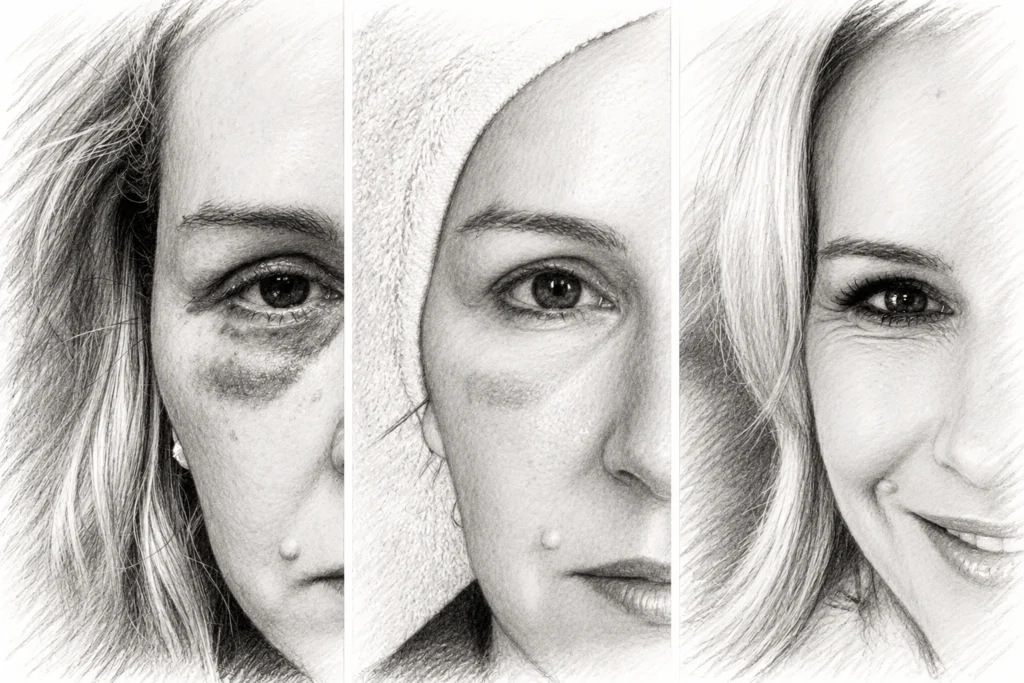
After surgery, patients are monitored while they wake from anaesthesia or sedation. Depending on the procedure, they may return home on the same day or stay in hospital.
Immediately after surgery, patients may experience:
- Drowsiness
- Mild nausea
- Soreness or tightness
- Swelling
- Bruising
- Numbness
- Dressing or bandages over the wound
- Temporary drains in selected procedures
- Compression garment or support dressing
- Limited movement in the treated area
The clinic or hospital should provide written discharge instructions. These may include medication schedules, wound care steps, activity limits, bathing instructions, follow-up dates, and symptoms that require medical review.
Swelling and Bruising
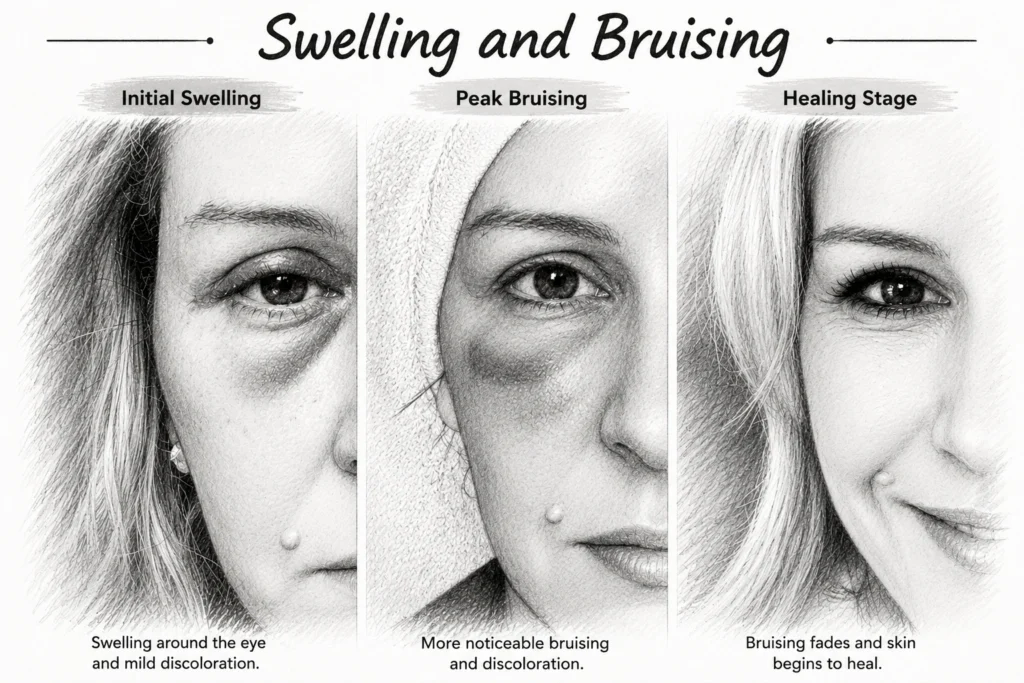
Swelling and bruising are common after many plastic surgery procedures. They occur because the body is healing after tissue handling, incisions, and inflammation.
Swelling may appear more noticeable in the first few days. Bruising may change colour as it fades. Depending on the procedure, swelling may take weeks or months to settle fully.
Patients may be advised to:
- Keep the treated area supported as instructed
- Use cold compresses only if advised
- Wear compression garments where prescribed
- Sleep in a recommended position
- Avoid strenuous activities until cleared
- Attend follow-up appointments
- Avoid massaging the area unless instructed
Swelling that increases suddenly, occurs with severe pain, or affects breathing, vision, or wound healing should be reviewed promptly.
Pain, Tightness, and Numbness
Some discomfort is expected after surgery. The level of pain depends on the procedure and individual pain tolerance. Patients may feel tightness, pulling, aching, tenderness, or soreness.
Numbness can occur around incision sites or treated areas because small nerves may be affected during surgery. In some cases, sensation gradually changes over time. In others, altered sensation may last longer.
Seek medical advice if pain is worsening, severe, one-sided, associated with swelling, or not controlled by prescribed medication.
Wound Care and Dressings
Wound care is an important part of recovery. The care instructions may differ depending on incision location, suture type, dressing type, and procedure.
Patients may be told:
- When to keep the wound dry
- When showering is allowed
- How to clean the area
- Whether dressings should be changed
- Whether ointment should be applied
- When stitches will be removed
- Whether adhesive strips should be left in place
- What signs of infection to watch for
Avoid applying unapproved creams, oils, powders, makeup, or skincare products to the wound area. Patients should also avoid scratching or picking at scabs.
Drains, Splints, and Compression Garments
Some plastic surgery procedures may involve drains, splints, or compression garments.
Drains may be used to remove fluid or blood that collects under the skin. Patients may be taught how to care for the drain, record output, and recognise problems.
Splints may be used after procedures such as rhinoplasty or selected hand and reconstructive procedures. These should be kept in place as instructed.
Compression garments may be used after body contouring or breast-related procedures. They may help support the treated area and manage swelling. Patients should ask how long to wear them and when they can be removed for bathing.
Activity Restrictions
Activity restrictions vary by procedure. Patients may be advised to avoid strenuous exercise, heavy lifting, bending, stretching, swimming, contact sports, or certain sleeping positions for a period of time.
Light walking may be encouraged after some procedures to support circulation, but this should follow the plastic surgeon’s instructions.
Patients should ask when they can return to:
- Desk work
- Physical work
- Driving
- Exercise
- Carrying children
- Household chores
- Sexual activity
- Swimming
- Travel
- Wearing makeup or skincare products
- Contact lens use, if eyelid surgery was performed
Returning too soon to strenuous activity may increase swelling, bleeding risk, wound strain, or discomfort.
Scarring and Scar Care
Most surgical procedures leave scars. Scar appearance depends on incision location, skin type, surgical technique, wound healing, sun exposure, genetics, tension on the wound, and aftercare.
Scars may look red, raised, firm, or darker in the early phase. They often change gradually over months. Some patients may develop thickened scars, stretched scars, or keloid scars depending on skin tendency and wound healing.
Scar care may include:
- Keeping the wound protected
- Avoiding sun exposure on healing scars
- Using silicone products if advised
- Avoiding picking or scratching
- Attending follow-up visits
- Discussing raised or itchy scars early
Patients should ask when scar care can begin. Some scar products are not suitable until the wound has fully closed.
Diet, Hydration, and Medication
Good nutrition and hydration support healing. Patients may be advised to eat balanced meals with adequate protein, fibre, fluids, fruits, and vegetables where suitable.
Constipation may occur after surgery due to reduced movement, pain medication, dehydration, or diet changes. Patients may ask whether stool softeners, fibre, or diet adjustments are suitable.
Patients should also ask when to restart routine medication, supplements, or blood-thinning medication. Medication changes should be guided by the doctor.
Smoking and nicotine use may affect wound healing. Patients should follow the surgeon’s instructions on avoiding smoking or nicotine before and after surgery.
Follow-Up Visits
Follow-up appointments allow the doctor to check wound healing, swelling, bruising, scar progress, drains, sutures, and early recovery. These visits are also a chance to ask questions about activity, medication, dressings, and expected changes.
Follow-up may involve:
- Wound review
- Dressing change
- Drain removal
- Stitch removal
- Scar care discussion
- Review of swelling or bruising
- Assessment of movement or function
- Advice on returning to work or exercise
- Further treatment planning where needed
Patients should not skip follow-up visits even if recovery seems to be going well.
When to Contact the Clinic
Patients should contact the clinic if they notice symptoms that may suggest infection, bleeding, wound problems, or other complications.
Seek medical advice if there is:
- Fever
- Increasing redness around the wound
- Increasing swelling
- Worsening pain
- Pus or foul-smelling discharge
- Heavy bleeding
- Wound opening
- Sudden one-sided swelling
- Severe bruising that spreads quickly
- Calf pain or swelling
- Shortness of breath
- Chest pain
- Fainting
- Vision changes after facial or eyelid procedures
- Severe headache after relevant procedures
- Drain problems or sudden change in drain output
For chest pain, breathing difficulty, severe bleeding, fainting, or sudden severe symptoms, urgent medical care may be needed.
Recovery After Different Types of Plastic Surgery
Recovery varies by treatment area.
For eyelid surgery, patients may notice swelling, bruising, temporary tightness, dry eyes, or irritation. They may need to avoid contact lenses, eye makeup, swimming, or strenuous activity for a period of time.
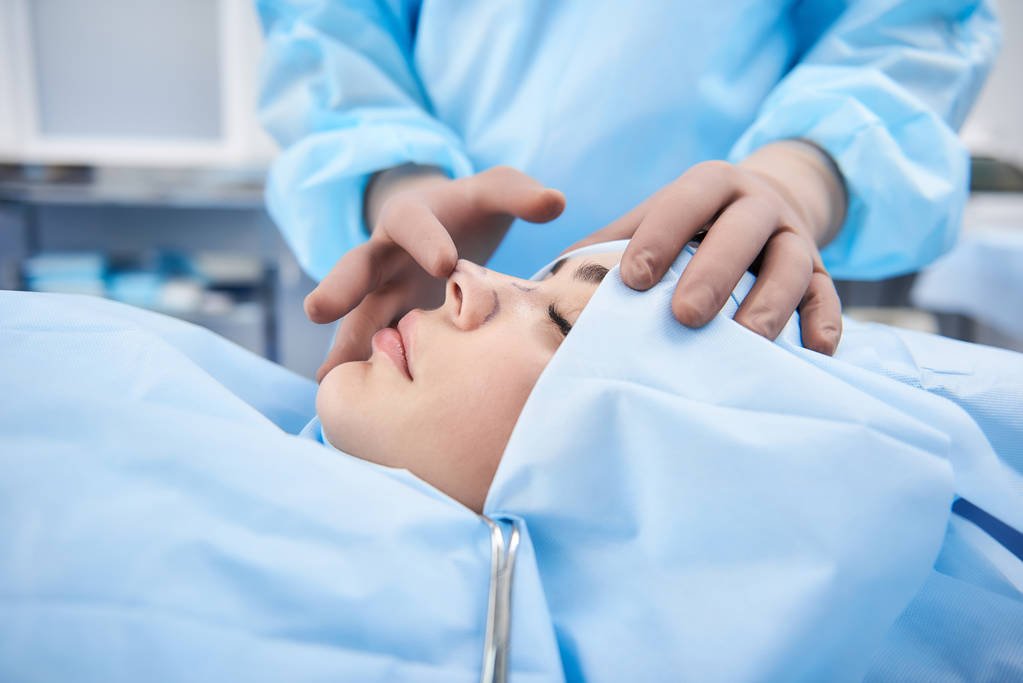
For rhinoplasty, patients may have swelling, bruising around the eyes, nasal stuffiness, splints, and activity restrictions. Final nasal shape may take time to settle.
For breast surgery, patients may need support garments, drain care in selected cases, arm movement guidance, and restrictions on lifting or exercise.
For body contouring surgery, patients may need compression garments, drain care, wound care, and gradual return to activity.
For reconstructive surgery, recovery may depend on the wound, tissue repair, flap or graft healing, and the underlying medical condition.
Patients should follow procedure-specific instructions from their surgeon.
Planning Your Recovery at Home
Before surgery, patients may prepare by:
- Arranging transport home
- Preparing loose and comfortable clothing
- Setting up pillows or supports
- Preparing easy meals
- Buying approved wound care supplies if advised
- Planning leave from work or school
- Arranging help with childcare or housework
- Avoiding unnecessary travel soon after surgery
- Keeping clinic contact details accessible
- Clarifying emergency instructions
Good preparation can make the recovery period more manageable.
Recovery after plastic surgery depends on the procedure, treatment area, general health, wound healing, and post-operative care. Common recovery experiences may include swelling, bruising, tightness, soreness, numbness, dressings, drains, compression garments, scar changes, and activity limits.
Patients should follow the surgeon’s instructions, attend follow-up appointments, avoid strenuous activity until cleared, care for wounds as advised, and watch for warning signs such as fever, worsening redness, pus, heavy bleeding, chest pain, shortness of breath, or sudden severe symptoms.
Before surgery, patients in Singapore should ask about recovery timelines, costs, follow-up visits, wound care, scars, activity limits, and symptoms that require medical review.
FAQ
| Question | Answer |
|---|---|
| How long does recovery after plastic surgery take? | Recovery depends on the procedure, treatment area, anaesthesia, wound healing, and patient health. Some procedures have shorter recovery periods, while others may involve swelling, bruising, and scar changes over several weeks or months. |
| Is swelling normal after plastic surgery? | Swelling is common after many plastic surgery procedures. However, sudden worsening swelling, severe pain, breathing difficulty, vision changes, or swelling with fever should be assessed promptly. |
| When can I exercise after plastic surgery? | Exercise timing depends on the procedure and healing progress. Patients should avoid strenuous activity until the surgeon confirms it is suitable to resume. |
| How should I care for wounds after plastic surgery? | Follow the clinic’s wound care instructions. These may cover dressings, showering, cleaning, ointment use, stitch removal, and signs of infection. |
| When should I contact my surgeon after plastic surgery? | Contact the clinic if you have fever, worsening redness, pus, heavy bleeding, wound opening, increasing pain, sudden swelling, drain problems, or symptoms that feel unusual. |
| Will plastic surgery scars go away completely? |
This article is for general information only and should not replace medical advice from a qualified healthcare professional.